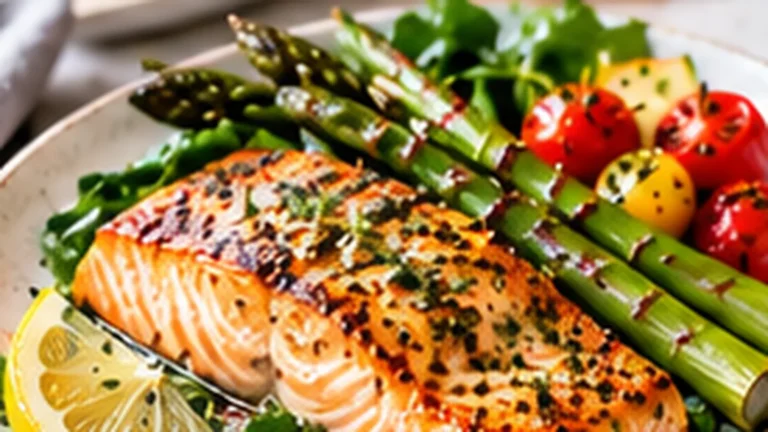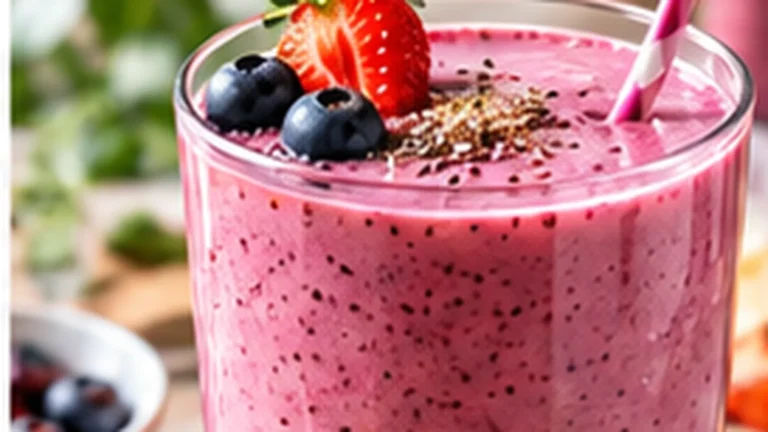
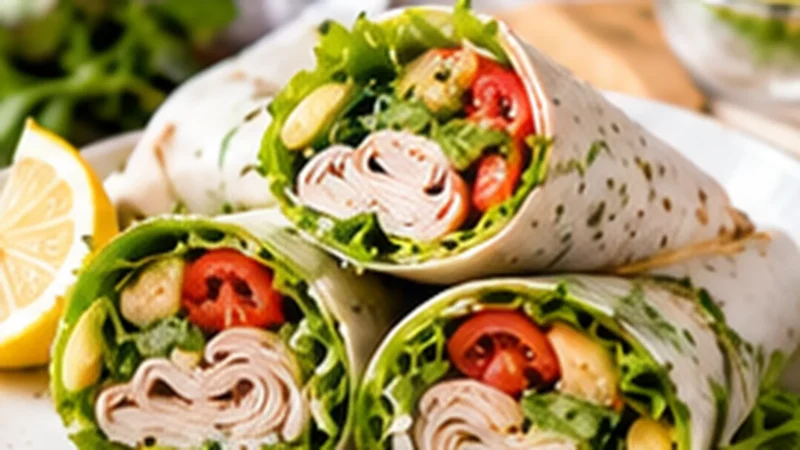
The goal is not to make every meal extremely high in protein. It is to make the protein source obvious and substantial enough that a smaller portion still contributes meaningfully to your day. Individual protein needs vary with body size, age, activity, medical history and clinician guidance; there is no single GLP-1 protein target that fits everyone. For a deeper evidence-aware overview, see Mayobook’s Protein on GLP-1 reference.
| If today feels like… | Start with | Add | Keep the portion manageable by |
|---|---|---|---|
| Very low appetite | Greek yogurt, cottage cheese, a small protein drink or silken tofu | Berries, soft fruit or a few crackers | Choosing one protein and one small side |
| Busy workday | Tuna pouch, rotisserie chicken, turkey slices or edamame | Cucumber, fruit, whole-grain crackers | Packing a compact container instead of a large lunch box |
| Meat sounds unappealing | Cottage cheese, Greek yogurt, tofu, edamame or beans | Vegetables, fruit, hummus or pita | Using mild flavors and softer textures |
| You want a fuller meal | Chicken, tuna, salmon, tofu or beans | Ready grains, vegetables, avocado or whole-grain bread | Building one small bowl rather than several side dishes |
Build a No-Cook Meal From the Fridge or Pantry
A simple assembly formula prevents the common mistake of collecting several “healthy” foods and accidentally creating a meal that is too large to finish.
- Choose one main protein: about 3–4 ounces cooked poultry or fish, a tuna or salmon pouch, ¾–1 cup Greek yogurt, ¾ cup cottage cheese, ½–1 cup edamame, tofu, or a bean-and-dairy combination.
- Add one produce element: berries, sliced cucumber, cherry tomatoes, soft fruit, shredded carrots, baby spinach or roasted vegetables purchased ready-to-eat.
- Add one small energy or fiber side if wanted: a few whole-grain crackers, half a small pita, a spoonful of oats, a small portion of beans, fruit or avocado.
- Use flavor strategically: lemon, herbs, salsa, mustard, yogurt sauce, hummus, pesto or a light vinaigrette can make repeated protein foods feel different without adding much volume.
If you are trying to eat with a very small appetite, start with the protein and stop when comfortably satisfied. The plate does not need to look conventionally “complete” if the total volume is unrealistic for you.
No-Cook High-Protein Breakfasts
Berry-Lemon Greek Yogurt Bowl
For one serving: combine ¾ cup plain Greek yogurt, ½ cup berries, 1 tablespoon chia seeds, lemon zest and a teaspoon of honey if desired. Add 1 tablespoon chopped walnuts for crunch. This is a compact breakfast that can be made thinner with a splash of milk if thick yogurt feels difficult.
Cottage Cheese Peach Crunch
Stir ¾ cup cottage cheese with ½ diced peach or a few slices of canned peaches packed in juice and drained. Add cinnamon and 2 tablespoons of high-fiber cereal or chopped pistachios. If the curd texture is unappealing, blend the cottage cheese until smooth before adding fruit.
Protein Overnight Oats Without Cooking
Mix ⅓ cup rolled oats, ½ cup Greek yogurt, ⅓ cup milk or soy milk and 1 teaspoon chia seeds. Refrigerate overnight. In the morning, add berries. This is more filling than yogurt alone, so reducing the oats to ¼ cup may suit lower-appetite mornings.
No-Cook Lunches for Work, Travel and Home
Tuna White-Bean Cucumber Cup
Combine one tuna pouch with ⅓ cup rinsed white beans, ½ cup diced cucumber, lemon juice, parsley and 1 teaspoon olive oil. Serve alone or with a few whole-grain crackers. The beans add texture and fiber without turning the meal into a large salad.
Rotisserie Chicken Mini Pita
Fill half a small whole-grain pita with 3 ounces shredded rotisserie chicken, cucumber, tomato and 1 tablespoon tzatziki. If bread feels too bulky, serve the same filling in lettuce cups or eat it as a small bowl.
Smoked Salmon Cottage-Cheese Plate
Arrange 2 ounces smoked salmon, ½ cup cottage cheese, cucumber ribbons, dill, lemon and 4–6 whole-grain crackers. Smoked salmon can be high in sodium, so this is one option among many rather than an everyday default for everyone.
Edamame Hummus Crunch Bowl
Combine ¾ cup thawed shelled edamame, chopped cucumber, shredded carrots and 2 tablespoons hummus. Add a squeeze of lemon and sesame seeds. For a softer version, mash some of the edamame into the hummus and eat with a spoon.
Small No-Cook Meals for Very Low-Appetite Days
On days when a regular meal feels excessive, reduce the number of components instead of trying to miniaturize a five-part plate. Useful small combinations include:
- ½ cup Greek yogurt with berries and a spoonful of powdered peanut butter.
- ½ cup cottage cheese blended with herbs, eaten with cucumber slices or a few crackers.
- One hard-cooked egg plus ½ cup edamame and a few cherry tomatoes.
- A small ready-to-drink protein beverage with a piece of fruit, if tolerated.
- Silken tofu blended with cocoa, vanilla and a small amount of sweetener for a pudding-style mini meal.
- Two ounces turkey rolled around cheese with sliced cucumber.
If you repeatedly cannot eat or drink enough, or symptoms are persistent or severe, contact your prescribing clinician. A recipe guide cannot safely manage dehydration, ongoing vomiting or other significant symptoms.
Vegetarian No-Cook Protein Ideas
| Protein base | Fast meal idea | Texture option |
|---|---|---|
| Greek yogurt | Yogurt, berries, chia and walnuts | Thin with milk |
| Cottage cheese | Tomato, cucumber, herbs and crackers | Blend smooth |
| Edamame | Edamame, hummus and vegetable bowl | Mash into hummus |
| Silken tofu | Cocoa tofu pudding or savory herb dip | Blend completely smooth |
| Beans | White beans with feta, cucumber and lemon | Mash partially for softer texture |
| Eggs | Hard-cooked egg, avocado and tomato plate | Mash into yogurt-based egg salad |
Vegetarian eating does not have to mean a huge volume of vegetables and legumes at every meal. Dairy, soy, eggs and smaller portions of beans can make compact meals easier to assemble.
Food Safety for Ready-to-Eat Protein Foods
No-cook meals depend heavily on chilled foods, so safe storage matters. Keep perishable foods refrigerated and use an insulated lunch bag with cold packs when refrigeration is unavailable. Do not leave foods such as dairy, cooked poultry, seafood, eggs or cut produce sitting at room temperature for extended periods. For current time-and-temperature guidance, use the USDA Food Safety Basics.
| Situation | Practical approach |
|---|---|
| Desk lunch without a refrigerator | Use an insulated bag plus frozen cold packs |
| Opened tuna, salmon or chicken | Refrigerate promptly and follow package/storage guidance |
| Cut fruit or vegetables | Keep chilled with the rest of the meal |
| Travel day | Choose shelf-stable unopened items until you have reliable refrigeration |
What to Look for in Convenient Protein Foods
“High protein” on the front of a package is marketing language; the Nutrition Facts panel tells you what the serving actually provides. Compare products using the same type of serving rather than assuming a larger package is better.
- Serving size: check whether the protein number applies to the amount you realistically plan to eat.
- Protein: look at grams per serving in context, not as a competition for the highest number.
- Added sugar: especially relevant for flavored yogurt, shakes and bars.
- Sodium: worth checking in deli meat, smoked fish, canned soups and some cottage cheeses.
- Fiber and sugar alcohols: more is not always better if a product does not agree with you.
- Allergens and ingredients: soy, dairy, nuts and other common allergens may determine which convenience foods fit you.
No-Cook Is a Tool, Not a Rule
No-cook meals are most useful when they remove friction. They can keep a busy day from becoming a skipped meal, provide a softer option when cooking smells are unappealing, or give you a compact protein source when energy is low. They do not need to replace cooked food, and they do not need to become a rigid weekly system.
If you want broader recipe variety, return to Mayobook’s high-protein GLP-1 recipe hub. If you need a structured week of meals for a different dietary goal, the server-selected related resource 7-Day Anti-Inflammatory Diet Meal Plan is available, but this page deliberately stays focused on zero-cook assembly rather than meal-plan design.