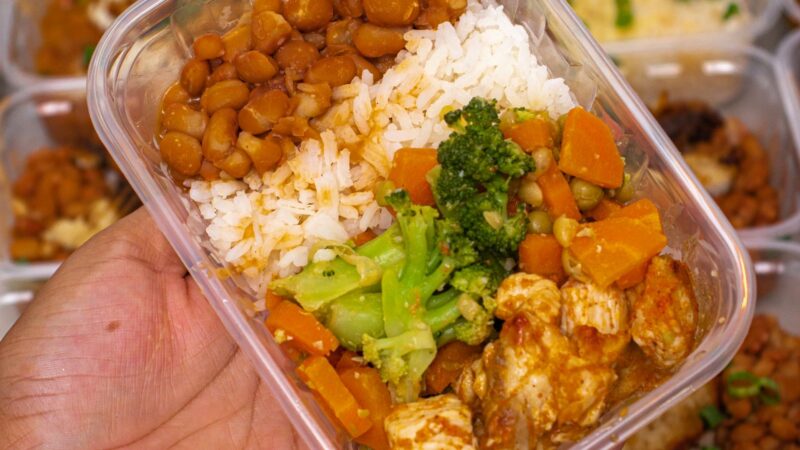
Yes. Most people can continue eating ordinary foods while taking a GLP-1 medication. There is no single official “GLP-1 diet” that requires you to eliminate bread, pasta, fruit, favorite meals or entire food groups. What often changes is how much food feels comfortable, how quickly fullness arrives, and which rich or strongly flavored foods you tolerate on a particular day.
A sustainable approach keeps familiar foods while adjusting portions, meal structure and symptom triggers. For a broader recipe and planning framework, see the GLP-1 Diet Meal Plan Cookbook.
The Direct Answer
You can usually eat normally in the sense that everyday foods, cultural meals and favorite dishes can remain part of your life. “Normal,” however, may feel different once appetite and fullness change. A restaurant portion that once felt routine may now be too large. You may prefer smaller meals or need to eat more slowly. Some foods may feel comfortable one week and less appealing during dose escalation or nausea.
There Is No Single Official GLP-1 Diet
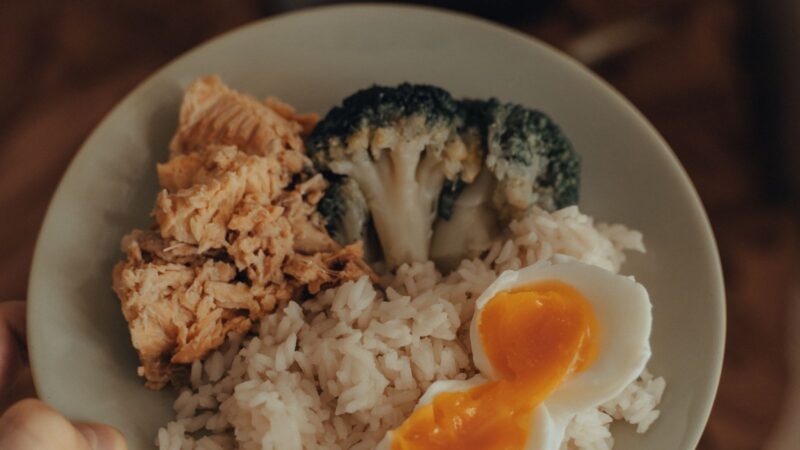
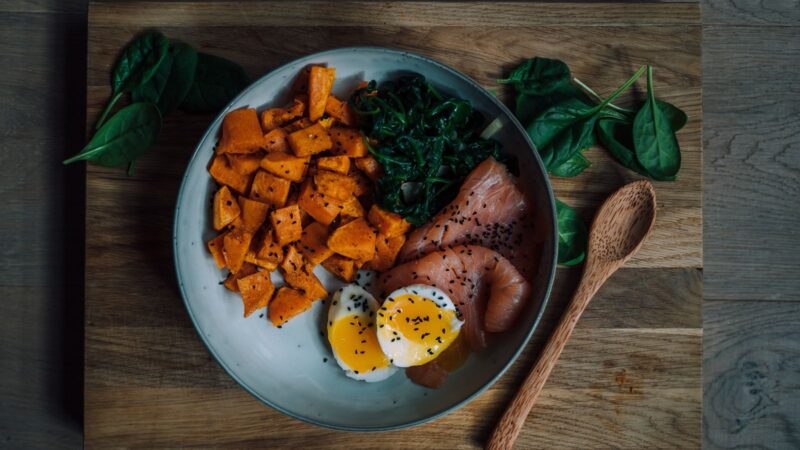
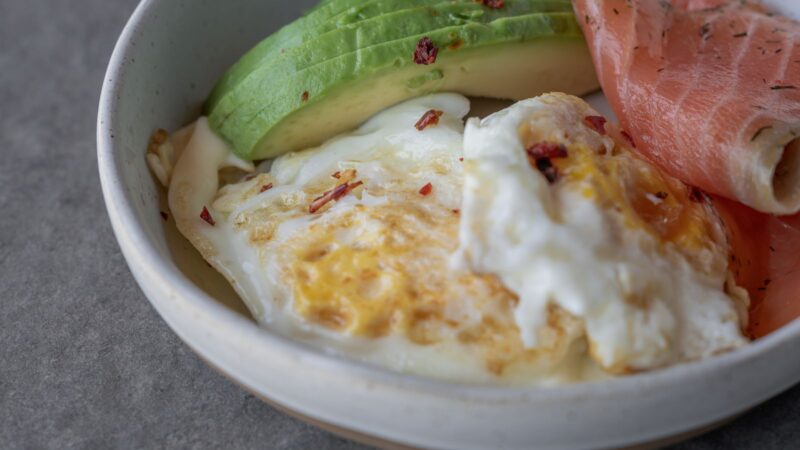
GLP-1 medicines are treatments, not dietary patterns. Nutrition guidance commonly emphasizes adequate protein, fiber-rich foods as tolerated, fruits and vegetables, useful carbohydrates, healthy fats and fluids. Those priorities can be met through many cuisines and eating styles.
Be cautious of rules claiming everyone on a GLP-1 must avoid a long list of foods. Medical conditions can create genuine restrictions, but the medication itself does not convert ordinary foods into universally forbidden foods.
What “Normal Eating” May Feel Like Now
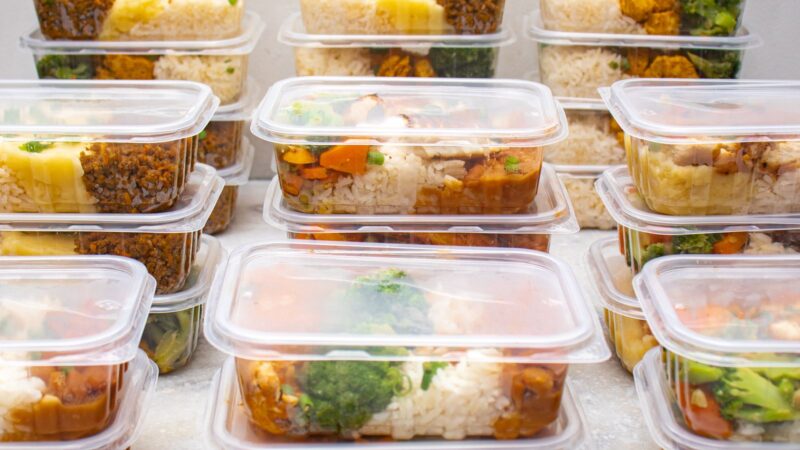
You may become full after a smaller quantity, feel less interested in snacking, or discover that a large meal stays uncomfortable longer. Hunger can also vary across the week. The practical response is flexibility: start with a smaller serving, eat slowly, stop at comfortable fullness and eat more if hunger remains.
How to Keep Favorite Foods
Instead of banning pizza, curry, pasta or dessert, change the context when needed. Try a smaller portion, pair the meal with protein or produce, eat more slowly, or choose a less rich preparation if high-fat foods worsen nausea or reflux. Enjoyment matters because a pattern that feels punitive is harder to sustain.
Foods That Commonly Require More Care
Very large, fried or high-fat meals may feel harder to tolerate for some people. Spicy or acidic foods can aggravate reflux in susceptible individuals. Very sweet foods and alcohol may create other concerns, including blood-glucose or hydration issues depending on the person. These are tolerance and medical-context questions, not moral categories of “good” and “bad” food.
Eating at Restaurants and Social Events
Choose a meal you actually want, look for a useful protein source and order vegetables or a starch that fits your appetite. You can stop when comfortably full and take leftovers home. Sharing an entrée or ordering an appetizer-sized portion may be practical, but you do not need to turn every social meal into a diet exercise.
If you drink alcohol, consider nausea, dehydration and blood-glucose risks and follow your prescriber’s guidance.
What Not to Normalize
Do not treat persistent inability to eat, repeated vomiting, severe abdominal symptoms, marked weakness or dehydration as the expected price of treatment. Likewise, extreme restriction and fear of ordinary food are not necessary goals of GLP-1 therapy.
Building a Sustainable New Normal
Your best long-term pattern is one that supplies enough nutrition, respects comfortable fullness and leaves room for foods you enjoy. That may involve smaller portions and more deliberate meal planning, but it should still feel like real life.
If appetite suppression or gastrointestinal symptoms repeatedly make adequate eating difficult, involve the prescribing clinician or a dietitian. For more evidence-aware GLP-1 nutrition resources, explore Mayobook’s Fitness, Weight Loss & Body Transformation topic hub.