
GLP-1 Food List: What to Eat and How to Build Balanced Meals
A practical GLP-1 food list built around protein, fiber, hydration and nutrient density—plus flexible choices for nausea, early fullness, constipation and everyday meal building.
Keep Learning—Listen Free
Short, practical audiobooks for your next step.

Avoidant Attachment: Why Avoidants Pull Away When You Get Close | Full Audiobook
Understand avoidant attachment and why avoidants pull away when relationships get close,…

Attachment Styles Explained: Anxious vs Avoidant & How to Become Secure | Full Audiobook
Understand attachment styles and learn how anxious attachment, avoidant attachment and secure…

Insulin Resistance Explained: Blood Sugar, Insulin Sensitivity & Metabolic Health | Full Audiobook
Learn what insulin resistance really is and how blood sugar, insulin sensitivity,…

Gut Health: How Your Microbiome, Probiotics & Gut-Brain Connection Really Work | Full Audiobook
Learn gut health through the science of the gut microbiome, probiotics, prebiotics,…

Psychology of Resilience: Building Resilience & Mental Toughness | Full Audiobook
Learn the psychology of resilience and how to build resilience, mental toughness,…

Deep Focus: How to Focus, Improve Concentration & Reclaim Your Attention | Full Audiobook
Deep focus is a trainable skill. This full audiobook explains how to…

Emotional Maturity: The Missing Key to Self Improvement & Personal Growth | Full Audiobook
Learn emotional maturity and build lasting self improvement, personal growth, and self…

Psychology of Discipline: How to Build Discipline & a Success Mindset | Full Audiobook
Discover the psychology of discipline and learn how to build discipline, self-discipline,…

Stoic Mindset: Practical Stoicism & Stoic Wisdom for Mental Strength | Full Audiobook
Stoic mindset is about learning what is truly yours to control—and releasing…
A useful GLP-1 food list is not a list of “good” and “bad” foods. It is a set of flexible choices that help you protect nutrition when appetite, fullness and gastrointestinal tolerance change. The best foods are usually those that make it easier to get enough protein, fiber, fluids, vitamins and minerals in portions you can comfortably manage. For a broader meal-planning framework, see the GLP-1 Diet Meal Plan Cookbook.
The Short Answer: What Belongs on a GLP-1 Food List?
Build your list around six groups: protein-rich foods, vegetables and fruit, fiber-rich carbohydrates, modest amounts of unsaturated fats, dairy or fortified alternatives, and practical fluids. Keep convenient options on hand for low-appetite days. What works best depends on your medication, dose stage, symptoms, health conditions and personal tolerance.
Protein Foods for Smaller Appetites
When total food intake falls, protein deserves early attention because it can become harder to fit enough into the day. Practical choices include eggs, fish, poultry, lean meat, Greek yogurt, cottage cheese, milk, tofu, tempeh, edamame, beans and lentils. Smooth textures such as yogurt, eggs, soft tofu or blended soups may be easier when chewing a full meal feels unappealing.
Convenience matters. Rotisserie chicken, canned tuna or salmon, frozen fish, pre-cooked eggs, plain yogurt cups, lower-sodium beans and ready-to-eat tofu can turn a small appetite into a real meal instead of a skipped meal. Protein needs are individualized, especially with kidney disease or other medical conditions, so avoid treating one internet target as universal.
Fiber-Rich Foods and How to Increase Them Carefully
Vegetables, fruit, legumes, oats, barley, whole grains, chia, flax and other seeds can support diet quality and bowel regularity. But “more fiber” is not always better immediately. If you are already constipated, bloated, nauseated or drinking too little, a sudden large increase can feel uncomfortable.
Increase fiber gradually and pair it with adequate fluids when medically appropriate. Cooked vegetables, ripe fruit, oats, soups and well-cooked legumes may be easier to tolerate than very large raw salads on days when fullness is pronounced.
Carbohydrates That Add Nutrition and Energy
Carbohydrates do not need to disappear from a GLP-1 eating pattern. Oats, potatoes, sweet potatoes, brown or white rice, quinoa, whole-grain breads, beans, lentils and fruit can provide energy, fiber and micronutrients. The useful distinction is not “carbs versus no carbs,” but whether the food contributes something valuable and fits your tolerance.
On very low-appetite days, a softer or lower-fiber carbohydrate such as toast, rice or crackers may be easier during nausea. When symptoms settle, more fiber-rich choices can return gradually.
Fats: Useful in Modest Amounts, Sometimes Harder to Tolerate
Olive oil, avocado, nuts, seeds and nut butters can add flavor, essential fatty acids and energy without requiring a large volume of food. That can be helpful when appetite is low. At the same time, very rich or high-fat meals can worsen nausea, reflux or prolonged fullness for some people.
Use fats as a supporting part of the meal rather than assuming more is always better. A spoonful of nut butter, a small amount of olive oil or a few slices of avocado may be easier than a heavily fried or cream-rich meal.
Dairy and Fortified Alternatives
Milk, Greek yogurt, cottage cheese and kefir can provide protein, calcium and other nutrients in relatively compact portions. If lactose is a problem, lactose-free dairy or fortified soy alternatives may work better. Check labels on plant-based products because protein, calcium and vitamin D content varies widely.
Hydrating Foods and Practical Fluids
Water remains the basic choice, but soups, broths, milk, herbal tea, fruit and high-water vegetables can contribute to fluid intake. Sip regularly if large drinks with meals make you feel too full. If vomiting or diarrhea is significant, fluid losses can become medically important. Current FDA labeling for GLP-1-based medicines warns about volume depletion in the setting of persistent gastrointestinal symptoms.
Electrolyte drinks can be useful in some circumstances, but they are not automatically necessary and may need modification for people with kidney, heart or blood-pressure conditions.
Foods for Nausea, Fullness, Constipation and Reflux
For nausea, many people tolerate smaller, lower-fat, bland or cool foods better: toast, crackers, rice, yogurt, bananas, applesauce, eggs or simple soups. For pronounced fullness, reduce meal volume and use several small eating opportunities instead of forcing a large plate.
For constipation, gradually increase fluids and fiber-rich foods such as oats, kiwi, prunes, vegetables, beans or chia if tolerated, and keep moving as able. For reflux, smaller meals and avoiding lying down soon after eating may help. Food strategies can support comfort, but persistent or severe symptoms need clinical review rather than repeated self-experimentation.
Convenience Foods Worth Keeping
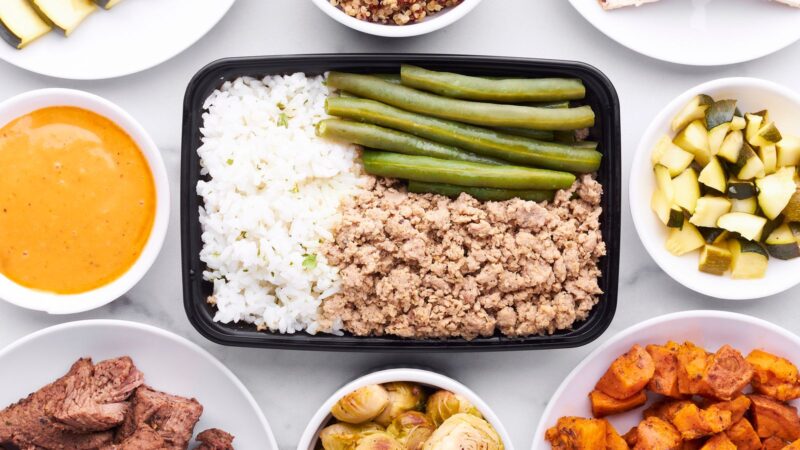
A realistic GLP-1 food list should work on busy and low-energy days. Useful staples include frozen vegetables, frozen fruit, canned beans, tuna or salmon, microwavable grains, plain yogurt, cottage cheese, eggs, hummus, pre-cut vegetables, soup, whole-grain toast, nut butter and simple frozen meals with a clear protein source.
Read labels for protein, fiber, sodium and added sugars in context rather than chasing perfection. The goal is to make a balanced choice easy enough that you actually eat it.
Build a Meal From the List
For a standard meal, combine one protein food, one or two produce choices, a carbohydrate source and a modest amount of healthy fat. For a mini-meal, combine two or three nutrient-dense components: Greek yogurt with berries and chia; egg with toast and fruit; cottage cheese with peaches; tofu with rice and cooked vegetables; or soup with chicken and crackers.
Start with an amount that looks manageable. Eat slowly, stop at comfortable fullness and return to food later if you cannot finish enough at one sitting. Smaller meals work best when the whole day still adds up to adequate nourishment.
What This List Cannot Decide for You
A food list cannot determine medication dosing, diabetes-medication adjustments, kidney-specific nutrient limits, pregnancy care or eating-disorder treatment. It also cannot tell you whether persistent nausea, vomiting, abdominal pain or dehydration is safe to manage at home. Those decisions belong with your clinician and, when needed, a registered dietitian.
Use the list as a flexible pantry and meal-building system, not a rigid diet. For broader evidence-aware resources on sustainable nutrition and body-composition goals, visit Mayobook’s Fitness, Weight Loss & Body Transformation hub.
Want the complete system?
Explore the full book for a deeper, structured guide.
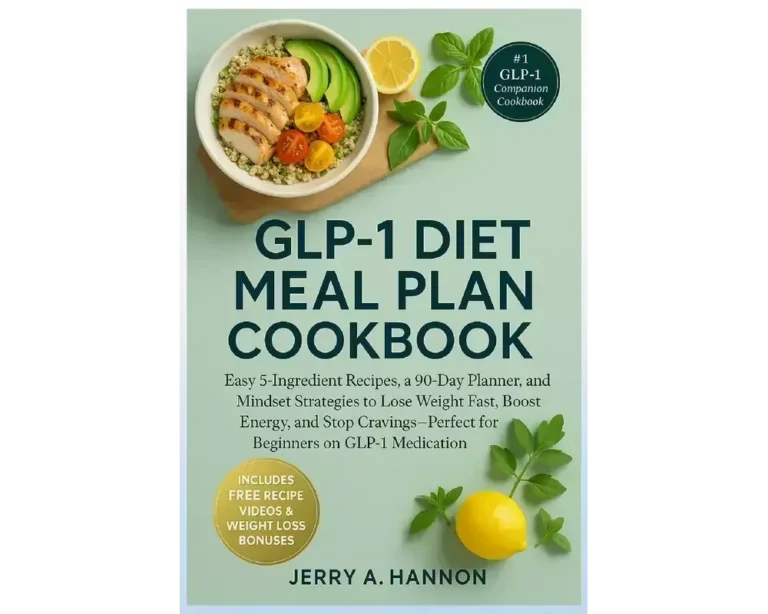
GLP-1 Diet Meal Plan Cookbook
The GLP-1 Diet Meal Plan Cookbook was created to help you lose weight fast without starving, stressing, or second-guessing your next meal. With easy 5-ingredient recipes, a…
View the BookKeep exploring

Fitness, Weight Loss & Body Transformation
See the wider Mayobook topic hub with guides, answers, comparisons, and books.
Explore the topic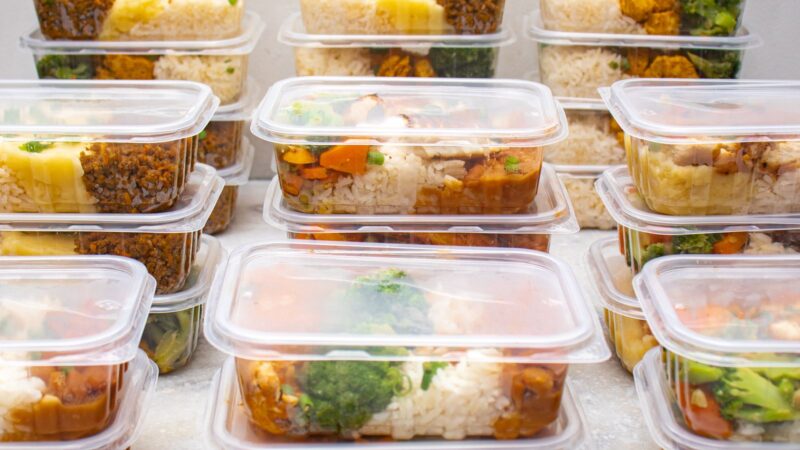
7-Day GLP-1 Meal Plan: Balanced Meals for a Smaller Appetite
Go deeper with a longer structured guide connected to this topic.
View guide