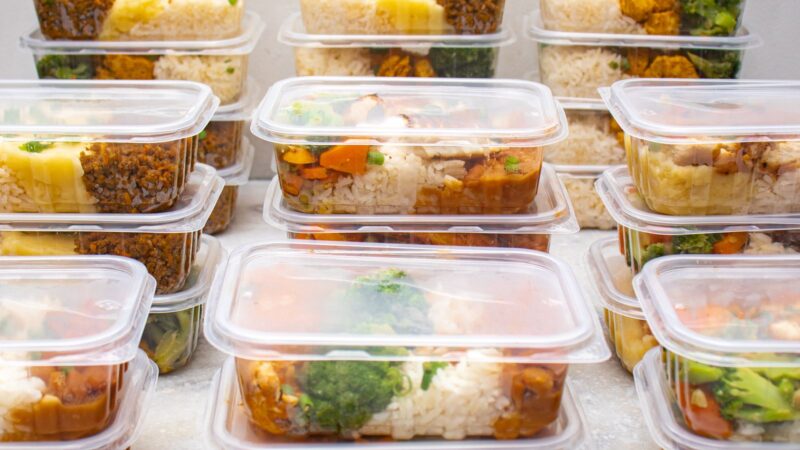

There is no single amount that everyone should eat while taking a GLP-1 medication. The goal is comfortable, adequate intake—not eating as little as possible. Your needs still depend on body size, age, activity, health conditions, other medicines and treatment goals even if hunger is much lower than before.
A practical starting point is to serve a smaller portion than you once might have, eat slowly, and stop at comfortable fullness. If you remain hungry and feel well, you can eat more. If a portion repeatedly causes pressure, nausea or reflux, start smaller next time. For a broader meal-planning framework, see the GLP-1 Diet Meal Plan Cookbook.
The Direct Answer
Eat enough to support nutrition and daily function while respecting the stronger fullness signals that may come with treatment. There is no universal GLP-1 calorie target, plate size or number of bites. A smaller plated portion can be useful because it reduces the pressure to finish a large serving, but it should not become a rule that prevents you from eating more when you are genuinely hungry.
Why Appetite Is Not the Only Measure
Hunger is useful information, but a medication that intentionally reduces appetite can make it less reliable as the only guide to adequacy. Protein, essential fats, carbohydrates, vitamins, minerals, fiber and fluids still matter. So do energy levels, strength, hydration and your ability to function.
Someone who is very active, older, pregnant, recovering from illness or managing a chronic condition may have different nutrition needs from another person taking the same medication.
A Flexible Starting Portion
Start with a modest plate: a useful protein source, a small portion of vegetables or fruit, and an energy-providing food such as potatoes, rice, oats, whole grains or legumes. Add a modest amount of fat as tolerated. This is a meal structure, not a fixed ratio.
Eat slowly. Pause before automatically taking more. If you are comfortably satisfied, stop. If you are still hungry without uncomfortable fullness, continue eating.
What Each Eating Occasion Should Try to Include
When appetite is small, prioritize foods that do more than one job. Greek yogurt provides protein and calcium; beans provide protein, carbohydrate and fiber; fruit provides carbohydrate, fluid and micronutrients; fish provides protein and useful fats. You do not need every nutrient at every meal, but the day should add up to a varied pattern.
How Often Should You Eat?
Some people do well with three smaller meals. Others tolerate four or five mini-meals better. Snacks are optional, not mandatory. They can be useful if meals are too small to meet nutrition needs or if long gaps leave you weak.
People using insulin or sulfonylureas may need individualized guidance because meal timing and substantially reduced carbohydrate intake can affect hypoglycemia risk.
Signs the Portion May Be Too Large
Possible signs include uncomfortable pressure, worsening nausea, reflux, belching, abdominal discomfort or fullness that lasts much longer than expected. One episode does not define your ideal portion; look for a repeated pattern and adjust gradually.
Signs Intake May Be Too Low
Persistent weakness, dizziness, poor concentration, dehydration, very low urine output, inability to maintain normal activities or repeated difficulty eating enough can signal that intake needs attention. Weight loss alone does not tell you whether nutrition is adequate.
Persistent vomiting, inability to keep fluids down, fainting, confusion or severe symptoms requires prompt medical assessment.
Conditions That Change the Answer
Kidney disease can change protein, electrolyte and fluid needs. Pregnancy raises nutrition requirements. Older adults may be more vulnerable to loss of strength and inadequate intake. Athletes have higher fueling needs. A history of an eating disorder can make appetite-suppressing treatment and rigid food rules especially complex. People who have had bariatric or other gastrointestinal surgery may also need specialized advice.
A Practical Self-Check
At the end of the day, ask: Did I include protein at several eating occasions? Did I eat some fruit, vegetables or another fiber source as tolerated? Did I have enough fluid? Did I have enough energy to function? Did meals cause significant discomfort? Am I repeatedly skipping food because I simply forget to eat?
If the answers suggest persistent under-eating, do not respond by trying to become even more restrictive. Adjust meal frequency, improve nutrient density and involve your care team when needed. For more evidence-aware resources, explore Mayobook’s Fitness, Weight Loss & Body Transformation topic hub.