
Protein
helps protect lean tissue and can be difficult to fit in when appetite is very low.
How to scale meal size when fullness changes without sacrificing nutrition
A GLP-1 portion is the amount of food you can comfortably tolerate at one eating occasion while your overall day still supplies enough protein, fluids, fiber and micronutrients. It is not a universal serving size or a prescription to eat as little as possible.
Appetite suppression, earlier fullness and gastrointestinal side effects can make ordinary meals feel too large, particularly around treatment initiation or dose changes. The practical task is to reduce meal volume when needed without allowing low intake to become chronic under-nutrition or dehydration.
Use this map to move through the concept in a clear order: meaning, mechanism, use, and wider context.
There is no single correct GLP-1 portion size. These medications often reduce hunger, increase fullness and change how much food feels comfortable at one sitting, but the degree of change varies by person, dose, treatment stage and meal. A useful portion is therefore not simply “as little as possible.” It is an amount you can tolerate comfortably while still giving your body enough protein, fluids, fiber, vitamins, minerals and energy across the day. For a broader practical framework built around the same nutrition priorities, see the GLP-1 Diet Meal Plan Cookbook.
A GLP-1 portion is the amount of food you can comfortably eat at a meal or snack while meeting your nutrition needs over time. It is not a prescribed serving size and it should not be treated as a fixed calorie limit. On days when appetite is low, a portion may be smaller and more nutrient-dense. On days when appetite is more normal, a larger balanced meal may be appropriate.
The practical goal is to stop before uncomfortable overfullness while avoiding a second problem: routinely eating so little that nutrition, hydration, strength or day-to-day function suffers.
GLP-1-based medicines influence appetite and satiety and can slow gastric emptying, especially earlier in treatment or after dose changes. Common gastrointestinal effects can include nausea, vomiting, diarrhea, constipation and abdominal discomfort. Together, these effects can make a previously ordinary plate feel unexpectedly large.
That does not mean every meal must keep shrinking. Appetite and tolerance can fluctuate. A breakfast that feels easy one day may be too much the next, and symptoms may be more noticeable around dose escalation. Portion planning works better when it responds to those signals rather than forcing a rigid amount at every meal.
These terms are related but different. A serving size on a food label is a standardized reference used for nutrition information. A planned portion is the amount you put on your plate. The amount consumed is what you actually eat. Appetite describes your desire to eat, while hunger and fullness signals help you decide when to begin and stop.
On GLP-1 therapy, those quantities may no longer line up neatly. You can serve a modest meal and still become full before finishing it. That is not automatically a problem. The more useful question is whether your overall pattern still supports adequate nourishment and whether symptoms remain manageable.
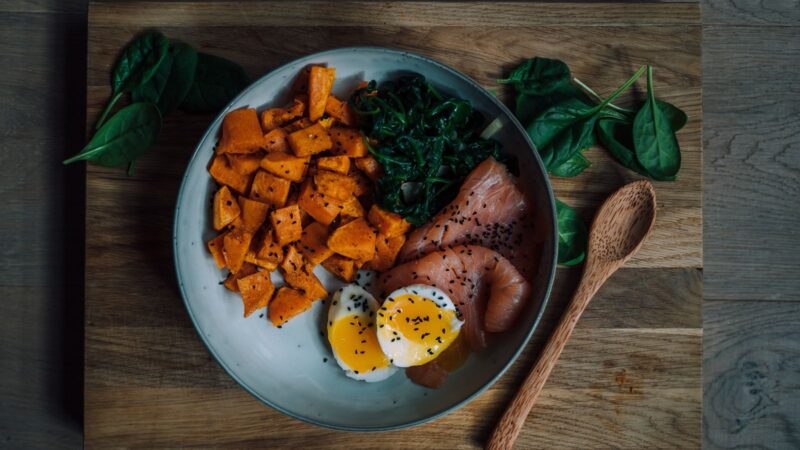
Instead of prescribing universal ounces or cups, start with a small-to-moderate plate and make each part count. Give priority to a protein-rich food such as eggs, fish, poultry, yogurt, cottage cheese, tofu, beans or another option that fits your needs. Add vegetables or fruit for micronutrients and fiber, include a carbohydrate source such as potatoes, oats, rice, whole grains or legumes when tolerated, and use a modest amount of unsaturated fat for flavor and energy.
When appetite is reduced, eating the protein-rich and nutrient-dense parts of the meal first can be useful. If fullness arrives early, you have already covered some of the nutrients that are easier to miss when total intake falls. This is more flexible than trying to force a fixed plate ratio when a large volume of food is uncomfortable.
Smaller dishes can also help with visual calibration. They are a cue, not a rule. The right amount is the amount that leaves you comfortably satisfied without persistent heaviness, pain, reflux or nausea and still allows adequate intake across the day.
Very low appetite calls for a different strategy from ordinary calorie restriction. Large meals may be unrealistic, so divide food into several smaller eating opportunities. A mini-meal might pair Greek yogurt with fruit, eggs with toast, soup with shredded chicken, cottage cheese with berries, or hummus with soft vegetables and crackers.
Choose foods that deliver more nutrition in less volume. Soft, moist or lower-fat preparations may be easier during nausea or pronounced fullness. Sip fluids regularly between meals if drinking a large amount with food makes you feel overly full. Increase fiber gradually rather than suddenly, particularly if constipation, bloating or limited fluid intake is already a concern.
If low appetite becomes persistent enough that you repeatedly cannot eat or drink adequately, contact your clinician or dietitian. Ongoing vomiting, signs of dehydration, severe abdominal pain or worsening weakness need medical attention rather than another portion-size adjustment.
When hunger and tolerance are closer to normal, there is no benefit in making a meal artificially tiny simply because you are taking a GLP-1 medication. Use a balanced plate, eat at a comfortable pace and stop when satisfied. Normal-appetite days can help close nutrition gaps created by lower-intake days.
Avoid turning medication-assisted appetite reduction into a competition to eat the least possible. Weight-management treatment still requires enough nourishment to support muscle, daily activity and long-term adherence. Consistently under-eating can make fatigue, constipation, nutrient shortfalls and loss of lean tissue more likely.
A portion may be too large for your current tolerance if meals repeatedly trigger uncomfortable pressure, reflux, nausea, belching or the feeling that food is sitting heavily for a long time. Try serving less initially, eating more slowly and pausing before deciding whether you need more.
A portion pattern may be too small overall if you are routinely skipping food because you have no appetite, struggling to meet protein or fluid needs, feeling unusually weak or light-headed, becoming constipated as both food and fluid intake fall, or losing weight at a pace your clinical team considers concerning. One small meal is not the issue; the repeated pattern is.
Generic portion advice is not enough for everyone. If you use insulin or medicines that can cause hypoglycemia, changes in food intake may require individualized medication guidance. Kidney disease can alter appropriate protein, fluid, potassium or phosphorus intake. Older adults and people at risk of muscle loss may need closer attention to protein and resistance exercise. Athletes may require more energy and carbohydrate than a sedentary template suggests.
Pregnancy, a history of an eating disorder, significant gastrointestinal disease or other complex medical conditions also require individualized care. GLP-1 medications have product-specific precautions and pregnancy guidance, so treatment and nutrition decisions should be made with the prescribing clinician rather than from a generic portion chart.
Portion size cannot be standardized from medication name alone. Body size, activity, age, health conditions, treatment goals, dose, side effects and the nutritional density of the food all matter. A cup of broth and a cup of Greek yogurt occupy similar volume but provide very different amounts of energy and protein. Likewise, two people can tolerate the same plate differently.
Research and expert guidance increasingly emphasize diet quality, protein adequacy, fluids, fiber and preservation of lean mass during GLP-1 treatment, but exact individualized targets still depend on clinical context. Use portion frameworks as a starting point, not as a substitute for personalized nutrition assessment.
At home: plate a smaller first serving and keep extra food available. This makes it easier to stop comfortably without assuming you must finish a standard-size plate.
At restaurants: consider sharing an entrée, choosing an appetizer-sized meal or boxing part of the meal early. Rich, very fatty or oversized meals can be harder to tolerate for some people.
For snacks: favor small combinations that provide protein, fiber or both rather than grazing on foods that add volume or calories without much nutrition.
For weekly planning: prepare foods in flexible components instead of identical large containers. Keep protein foods, cooked vegetables, fruit, grains or starches and easy snacks available so each day’s portion can match appetite and tolerance.
The most useful GLP-1 portion is not the smallest plate you can endure. It is the smallest amount that feels comfortable and the largest amount that still respects fullness—within an overall eating pattern that keeps nutrition, hydration and strength protected. For wider evidence-aware resources on nutrition, activity and sustainable weight management, browse Mayobook’s Fitness, Weight Loss & Body Transformation topic hub.
helps protect lean tissue and can be difficult to fit in when appetite is very low.
supports bowel regularity and diet quality, but large sudden increases may worsen bloating or fullness.
especially important when nausea, vomiting or diarrhea reduces intake.
useful when smaller portions leave fewer opportunities to cover vitamin and mineral needs.
can add energy and flavor in a compact amount, although very rich meals may be poorly tolerated by some people.
Portion size is what you choose to place on the plate; serving size is a standardized reference; appetite is your desire to eat; and actual intake is what you finish. On GLP-1 therapy these may differ substantially, so a label serving should not be treated as a mandatory amount.
Use these connected pages for the next step.

A flexible 7-day GLP-1 meal plan built for…
Read next
There is no universal GLP-1 portion or calorie…
Read nextThe right GLP-1 portion is not a fixed number and not the smallest amount you can tolerate. It is a flexible amount that respects fullness while keeping the day’s nutrition, hydration and strength needs protected.