
The Practical GLP-1 Grocery List for a Balanced Week
Shop for a balanced GLP-1 week with a practical grocery system that covers protein, produce, fiber staples, hydration, low-effort backups, budget swaps and smaller-appetite meals.
Keep Learning—Listen Free
Short, practical audiobooks for your next step.

How to Overcome Social Anxiety: Stop Overthinking & Build Social Confidence | Full Audiobook
How to overcome social anxiety, stop overthinking conversations, overcome fear of judgment,…
How to Focus Under Pressure: Discipline, Mental Strength & Success Mindset | Full Audiobook
How to focus under pressure, build discipline, develop mental strength, and create…

How to Focus & Build Self-Discipline: Train Your Brain to Ignore Distractions | Full Audiobook
Learn how to focus, build self-discipline, improve concentration, and train your brain…

Avoidant Attachment: Why Avoidants Pull Away When You Get Close | Full Audiobook
Understand avoidant attachment and why avoidants pull away when relationships get close,…

Attachment Styles Explained: Anxious vs Avoidant & How to Become Secure | Full Audiobook
Understand attachment styles and learn how anxious attachment, avoidant attachment and secure…

Insulin Resistance Explained: Blood Sugar, Insulin Sensitivity & Metabolic Health | Full Audiobook
Learn what insulin resistance really is and how blood sugar, insulin sensitivity,…

Gut Health: How Your Microbiome, Probiotics & Gut-Brain Connection Really Work | Full Audiobook
Learn gut health through the science of the gut microbiome, probiotics, prebiotics,…

Psychology of Resilience: Building Resilience & Mental Toughness | Full Audiobook
Learn the psychology of resilience and how to build resilience, mental toughness,…

Deep Focus: How to Focus, Improve Concentration & Reclaim Your Attention | Full Audiobook
Deep focus is a trainable skill. This full audiobook explains how to…
A useful GLP-1 grocery list should make the week easier, not fill the refrigerator with aspirational foods that spoil before you can eat them. Shop for flexible ingredients that work in both normal meals and smaller mini-meals, with enough protein, produce, fiber-containing foods and fluids to support nutrition as appetite changes. The GLP-1 Diet Meal Plan Cookbook can provide a broader meal-planning framework around these staples.
Plan Before You Shop
Estimate how many breakfasts, lunches, dinners and snacks you realistically need, then account for lower-appetite days. Check the refrigerator, freezer and pantry first. Buying two proteins, several versatile produce items, two carbohydrate staples and a few low-effort backups is often more useful than buying a long list of single-recipe ingredients.
Produce Aisle
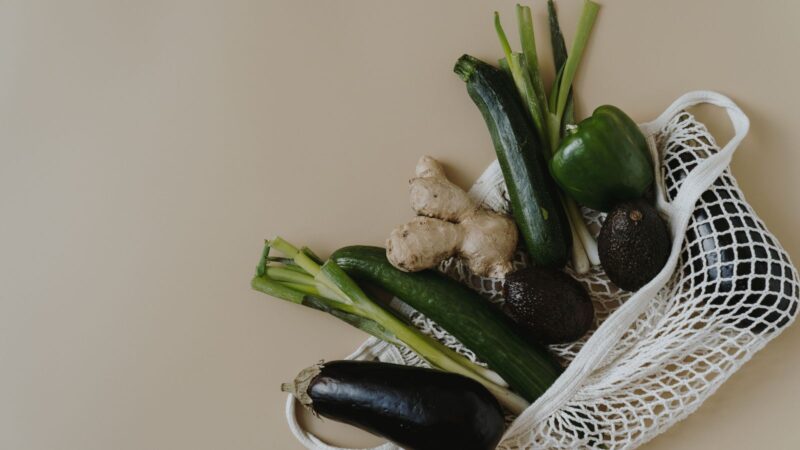
Choose produce that can cross several meals: berries, bananas, apples, kiwi, citrus, leafy greens, carrots, cucumbers, peppers, zucchini, broccoli and tomatoes. Frozen vegetables and fruit reduce waste and are nutritionally useful. When raw vegetables feel too bulky, cooked or blended options may be easier to tolerate.
Protein Section
Build around a mix of quick, ready-to-eat and freezer-friendly proteins: eggs, chicken or turkey, fish, canned tuna or salmon, Greek yogurt, cottage cheese, tofu, tempeh, edamame, beans and lentils. Smaller appetites make convenience especially valuable, because a protein source that requires little preparation is less likely to be skipped.
Whole Grains and Fiber Staples
Useful staples include oats, rice, quinoa, whole-grain bread or wraps, potatoes, sweet potatoes, beans, lentils, chia and ground flax. Increase fiber gradually rather than making a sudden jump, particularly if constipation, bloating or low fluid intake is already present.
Dairy and Fortified Alternatives
Plain Greek yogurt, cottage cheese and milk offer compact protein and calcium. Lactose-free dairy can help if lactose is poorly tolerated. For plant-based alternatives, compare labels because protein, calcium and vitamin D can vary widely; fortified soy products often provide more protein than many nut- or oat-based drinks.
Pantry, Freezer and Convenience Foods
Keep ingredients that can become a meal in minutes: canned beans, canned fish, soup, frozen vegetables, frozen fruit, microwavable grains, whole-grain crackers, nut butter, hummus, eggs, plain yogurt and simple frozen meals with a clear protein source. “GLP-1 friendly” marketing is not a nutrition standard; judge the food by its ingredients, protein, fiber, sodium, added sugar, portion and how you tolerate it.
Fluids and Hydration Supplies
Water is the foundation. Herbal tea, broth, milk and high-water foods can contribute. If vomiting or diarrhea occurs, fluid losses can become important; persistent symptoms require medical guidance because GLP-1 product labeling includes warnings related to dehydration and kidney problems in some circumstances. Oral rehydration products may be useful when clinically appropriate, but people with kidney, heart or blood-pressure conditions may need individualized advice.
A One-Week Core Grocery List
- Protein: eggs, Greek yogurt, chicken or tofu, fish or canned tuna, beans or lentils.
- Produce: two fruits, three vegetables, plus one frozen fruit or vegetable.
- Carbohydrates: oats, rice or quinoa, potatoes, whole-grain bread or wraps.
- Fats and flavor: olive oil, avocado, nuts or seeds, herbs and mild seasonings.
- Backups: soup, crackers, frozen meal, hummus and easy-to-tolerate fruit.
- Fluids: water, tea, broth and other medically appropriate options.
Three Budget Levels and Smart Substitutions
For an economical cart, lean on eggs, canned tuna, beans, lentils, oats, potatoes, frozen vegetables and seasonal fruit. A moderate cart can add fresh fish or poultry, Greek yogurt, berries, whole grains and convenience produce. A convenience-forward cart may include pre-cooked proteins, pre-cut vegetables, microwavable grains and individual yogurt portions. Paying for convenience can be worthwhile if it prevents skipped meals and food waste.
Turn the Groceries Into Meals
Breakfast can be yogurt with fruit and oats, or eggs with toast. Lunch can be chicken or tofu with rice and cooked vegetables. Dinner can be fish with potatoes and greens. A low-appetite mini-meal might be cottage cheese with fruit, soup with shredded chicken, or hummus with crackers and soft vegetables. Start with a manageable portion and add more if hunger remains.
Storage and Food-Waste Plan
Freeze extra bread, cooked grains, meat or fish in small portions. Portion large packages before freezing so you are not forced to thaw more than you need. Keep the most perishable produce visible and use frozen options later in the week. Cool leftovers promptly and follow standard food-safety storage guidance.
The best grocery list is one that still works when appetite changes unexpectedly. Keep it flexible, practical and nutritionally purposeful. For broader evidence-aware resources on nutrition and weight management, browse Mayobook’s Fitness, Weight Loss & Body Transformation topic hub.
Want the complete system?
Explore the full book for a deeper, structured guide.
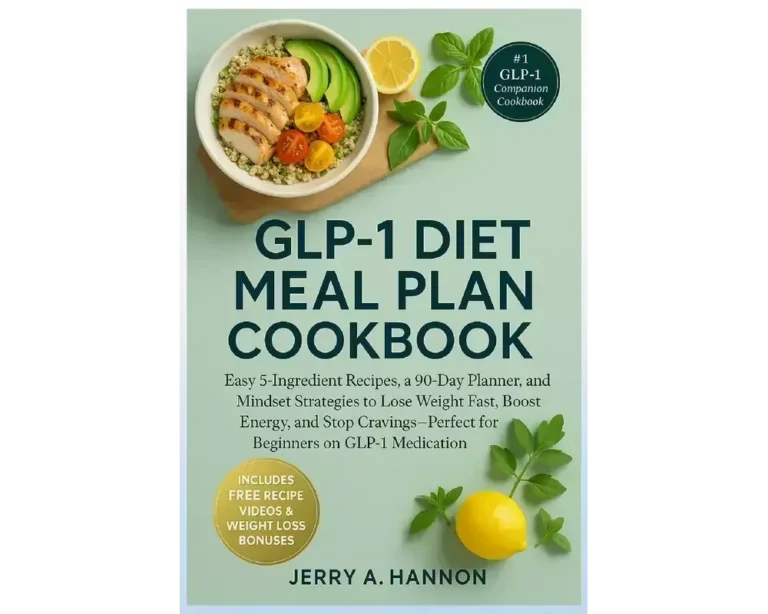
GLP-1 Diet Meal Plan Cookbook
The GLP-1 Diet Meal Plan Cookbook was created to help you lose weight fast without starving, stressing, or second-guessing your next meal. With easy 5-ingredient recipes, a…
View the BookMore in Health & Wellness
View category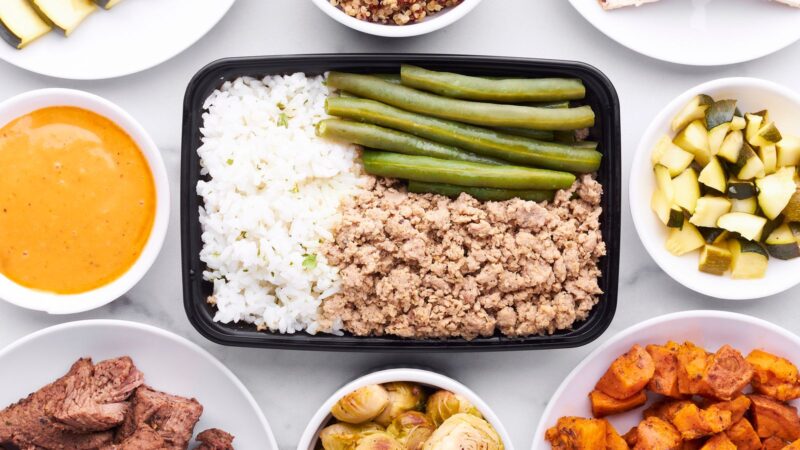
GLP-1 Food List: What to Eat and How to Build Balanced Meals
A practical GLP-1 food list built around protein, fiber, hydration and nutrient density—plus flexible choices for nausea, early fullness, constipation and everyday meal building.
Keep exploring

Fitness, Weight Loss & Body Transformation
See the wider Mayobook topic hub with guides, answers, comparisons, and books.
Explore the topic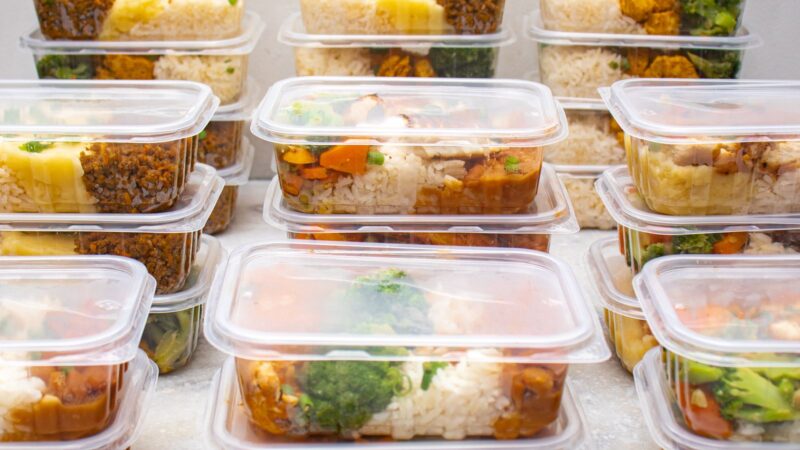
7-Day GLP-1 Meal Plan: Balanced Meals for a Smaller Appetite
Go deeper with a longer structured guide connected to this topic.
View guide