
Foods to Avoid on GLP-1—and What to Choose Instead
There is no universal banned-food list for GLP-1 therapy. Learn which meals commonly worsen nausea, reflux or fullness, what to choose instead, and when symptoms need medical review.
Keep Learning—Listen Free
Short, practical audiobooks for your next step.

How to Sleep Better: Insomnia, Deep Sleep & Falling Asleep Faster | Full Audiobook
How to sleep better, manage insomnia, get more deep sleep, and fall…

Psychology of Leadership: Leadership Skills, Influence & Communication | Full Audiobook
Psychology of leadership, leadership skills, influence, communication skills, and workplace psychology explained…

Carl Jung Psychology & Shadow Work: Understand Your Unconscious Mind | Full Audiobook
Carl Jung psychology and shadow work explained in a deep full audiobook…

How to Lower Cortisol Naturally: High Cortisol Symptoms & Cortisol Belly | Full Audiobook
How to lower cortisol naturally, understand high cortisol symptoms, reduce chronic stress,…

How to Simplify Your Life: Minimalism, Simple Living & Decluttering | Full Audiobook
How to simplify your life with minimalism, simple living and decluttering —…

How to Overcome Social Anxiety: Stop Overthinking & Build Social Confidence | Full Audiobook
How to overcome social anxiety, stop overthinking conversations, overcome fear of judgment,…

How to Focus Under Pressure: Discipline, Mental Strength & Success Mindset | Full Audiobook
How to focus under pressure, build discipline, develop mental strength, and create…

How to Focus & Build Self-Discipline: Train Your Brain to Ignore Distractions | Full Audiobook
Learn how to focus, build self-discipline, improve concentration, and train your brain…

Avoidant Attachment: Why Avoidants Pull Away When You Get Close | Full Audiobook
Understand avoidant attachment and why avoidants pull away when relationships get close,…
There is no universal list of foods that everyone must avoid while taking a GLP-1 medication. The more useful rule is to notice which foods, portions and meal patterns worsen your own nausea, reflux, fullness, diarrhea or constipation, then adjust without cutting out nutritious foods unnecessarily. For a wider meal-planning system, see the GLP-1 Diet Meal Plan Cookbook.
Are Any Foods Completely Forbidden?
Most foods are not automatically prohibited simply because you use a GLP-1 medicine. Restrictions may still apply because of diabetes treatment, kidney disease, allergies, pregnancy guidance, another medical condition or a medication-specific instruction. Outside those situations, tolerance matters more than a generic banned-food list.
Why Certain Meals Feel Harder on GLP-1
GLP-1-based medicines can increase satiety and slow gastric emptying. A meal that is very large, rich or eaten quickly may therefore feel uncomfortable even if you tolerated it before treatment. Symptoms can also change after dose escalation. Portion size, fat content, meal speed and individual sensitivity often matter together.
Large, High-Fat and Fried Meals
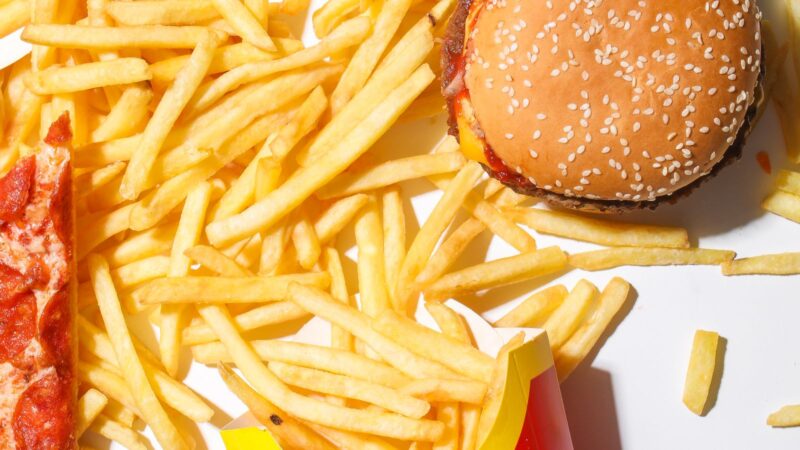
Fried foods, creamy sauces, very fatty meats and oversized restaurant meals can worsen nausea, reflux or prolonged fullness for some people. Instead of declaring them forbidden, test smaller amounts and choose gentler alternatives such as baked fish or chicken, tofu, potatoes, rice, cooked vegetables, broth-based soups or yogurt-based dishes.
Very Sweet and Highly Refined Foods
Large amounts of sweets, pastries, sugary cereal and refined snack foods can displace protein, fiber and micronutrients when appetite is already limited. They may also create blood-glucose challenges for some people with diabetes. That does not make one dessert dangerous. Pair treats with an overall balanced eating pattern and choose portions that do not crowd out the foods you need most.
Spicy, Acidic and Reflux-Triggering Foods
Spicy sauces, tomato-heavy dishes, citrus, coffee, chocolate and mint can aggravate reflux in susceptible people, but tolerance varies. If a food repeatedly causes burning, belching or nausea, reduce the portion, change the preparation or pause it temporarily rather than assuming the food is permanently off limits.
Alcohol and Sugary Drinks
Alcohol can add calories without much nutrition, worsen nausea or dehydration and complicate blood-glucose management in some people. Sugary drinks can similarly add a large carbohydrate load without helping much with fullness or nutrient density. If you drink alcohol, discuss safety with your prescriber—particularly if you use insulin or other medicines that can cause hypoglycemia, have liver or pancreatic concerns, or are struggling to stay hydrated.
Excessive Fiber or Large Raw Portions During Symptoms
Fiber is important, but a sudden large increase can backfire when you are already bloated, constipated or drinking too little. Huge salads, large servings of bran or multiple high-fiber supplements may feel difficult during pronounced fullness. Increase fiber gradually and use cooked vegetables, oats, ripe fruit or well-cooked legumes when softer foods are easier to tolerate.
What to Choose During Nausea, Constipation, Diarrhea or Reflux
During nausea, smaller lower-fat foods such as toast, rice, yogurt, eggs, bananas, applesauce or simple soup may be easier. For constipation, regular fluids and a gradual increase in tolerated fiber-rich foods can help support bowel regularity. During diarrhea, focus on replacing fluids and use simpler foods until tolerance improves. For reflux, smaller meals and avoiding lying down soon after eating can reduce pressure.
These are comfort strategies, not treatment for a serious adverse effect. Persistent vomiting, inability to maintain fluid intake, or worsening symptoms need clinical review.
How to Test Personal Tolerance
Use a simple food-and-symptom log for a week or two. Note what you ate, approximate portion, meal speed, dose timing and symptoms. Change one factor at a time—smaller portion, lower-fat preparation, slower pace or different texture—so you can tell what actually helped. Be especially cautious about drawing conclusions during the first days after a dose increase, when symptoms may temporarily shift.
When Food Changes Are Not Enough
Contact your clinician for severe or persistent gastrointestinal symptoms, repeated vomiting, inability to stay hydrated, symptoms of low blood sugar, or severe abdominal pain. Current FDA labeling for GLP-1-based therapies includes warnings related to serious gastrointestinal reactions, dehydration-related kidney problems and pancreatitis symptoms. Food substitutions should never delay appropriate medical assessment.
The most sustainable approach is not fear-based avoidance. Keep nutritious foods in the diet when they are tolerated, adjust portions and preparation when symptoms demand it, and escalate persistent problems rather than trying to solve everything through restriction. For broader evidence-aware nutrition and weight-management resources, visit Mayobook’s Fitness, Weight Loss & Body Transformation hub.

Want the complete system?
Explore the full book for a deeper, structured guide.
GLP-1 Diet Meal Plan Cookbook
The GLP-1 Diet Meal Plan Cookbook was created to help you lose weight fast without starving, stressing, or second-guessing your next meal. With easy 5-ingredient recipes, a…
View the BookMore in Weight Loss & Detox
View category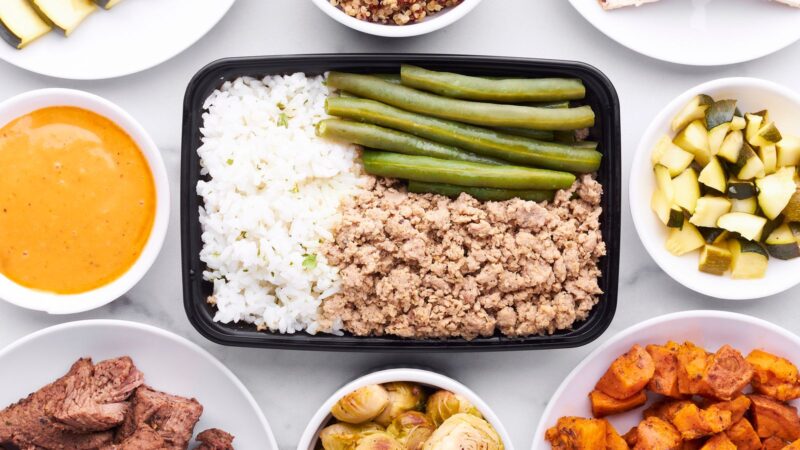
GLP-1 Food List: What to Eat and How to Build Balanced Meals
A practical GLP-1 food list built around protein, fiber, hydration and nutrient density—plus flexible choices for nausea, early fullness, constipation and everyday meal building.
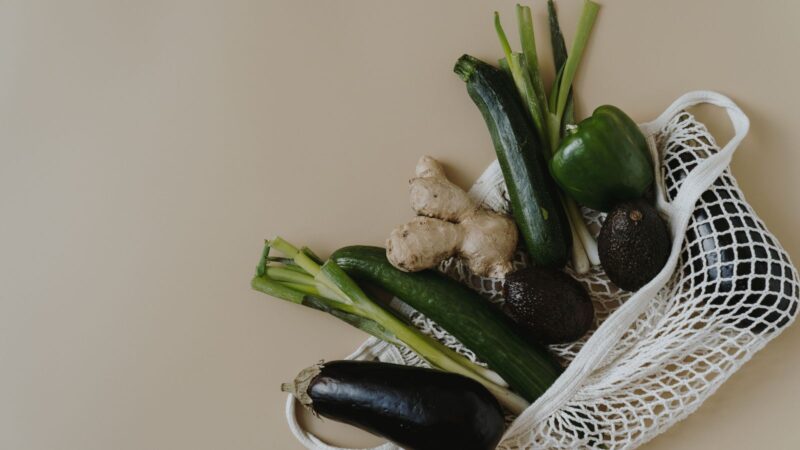
The Practical GLP-1 Grocery List for a Balanced Week
Shop for a balanced GLP-1 week with a practical grocery system that covers protein, produce, fiber staples, hydration, low-effort backups, budget swaps and smaller-appetite meals.
Keep exploring

Fitness, Weight Loss & Body Transformation
See the wider Mayobook topic hub with guides, answers, comparisons, and books.
Explore the topic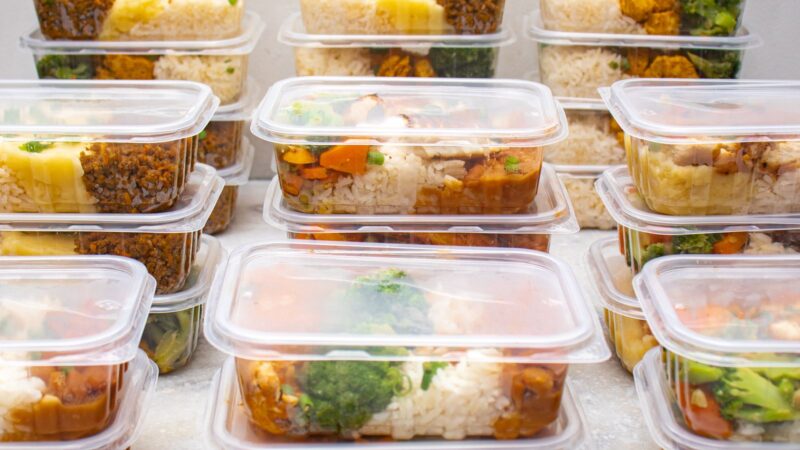
7-Day GLP-1 Meal Plan: Balanced Meals for a Smaller Appetite
Go deeper with a longer structured guide connected to this topic.
View guide