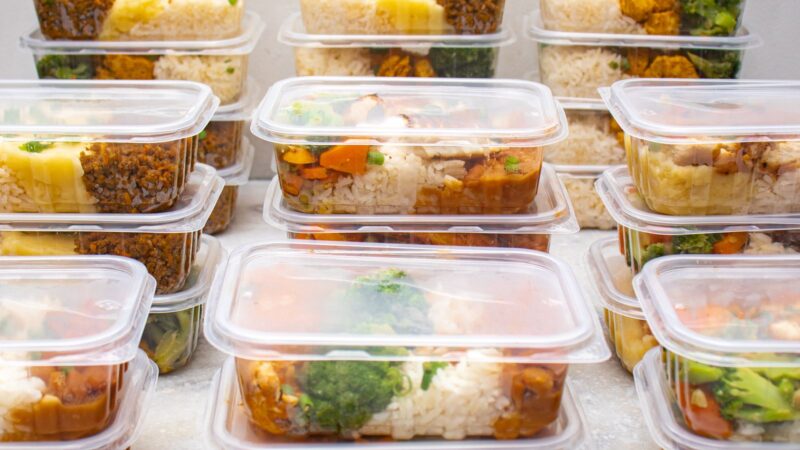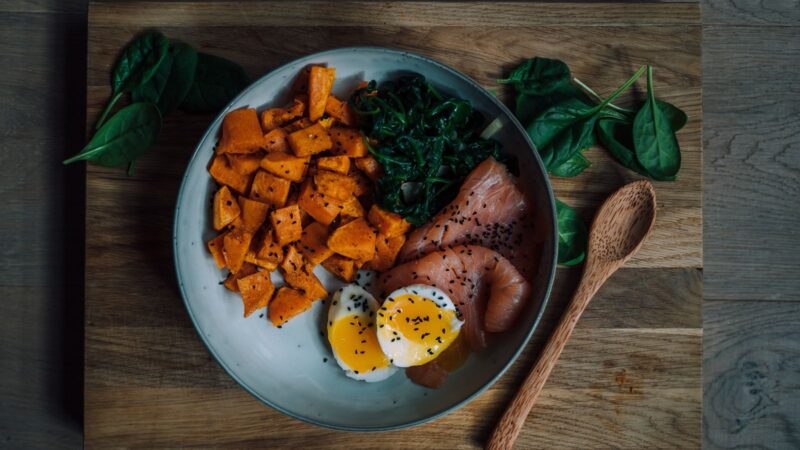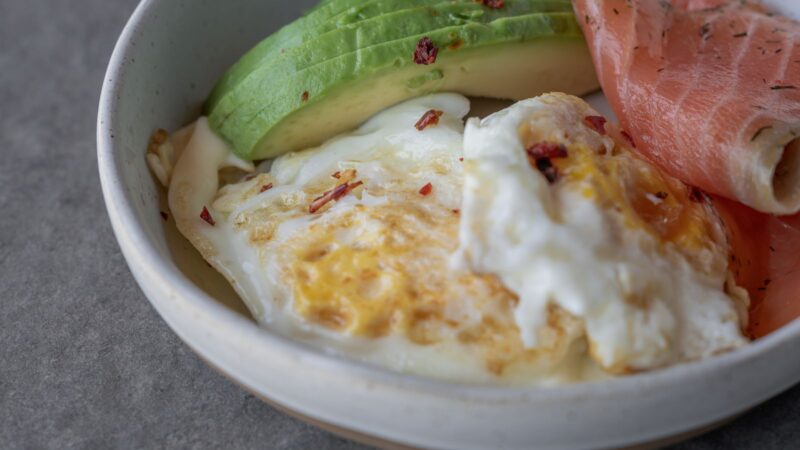
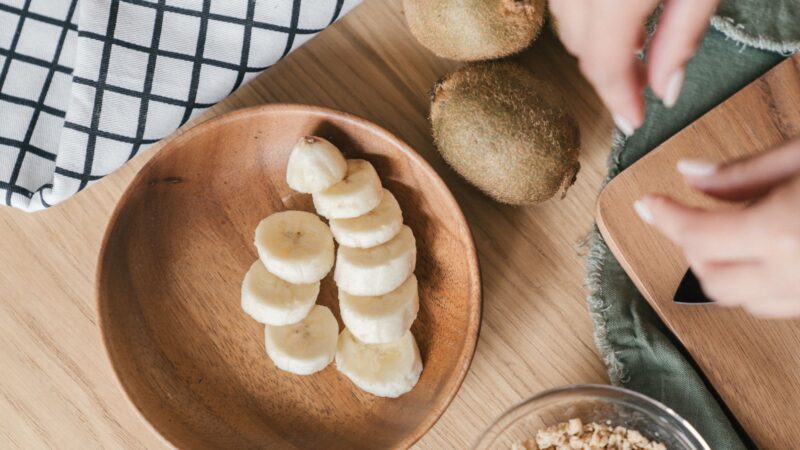
If you feel nauseous while taking a GLP-1 medication, start with small portions of simple, lower-fat foods and slow sips of fluid. Toast, crackers, rice, oats, bananas, applesauce, yogurt, eggs and light soups are reasonable options for many people. You do not have to force a full meal. The priority is to keep some food and fluid going in a form you can tolerate.
Nausea is a recognized gastrointestinal effect of GLP-1-based medicines, particularly around treatment initiation or dose escalation. Food choices may reduce discomfort, but persistent or severe symptoms need medical review rather than an increasingly restrictive diet. For broader planning, see the GLP-1 Diet Meal Plan Cookbook.
The Direct Answer
Choose a small amount of food that is mild, not excessively fatty and easy to eat slowly. Practical options include dry toast or crackers, oatmeal, rice, banana, applesauce, yogurt, a softly cooked egg, broth-based soup, mashed potato or a small portion of plain chicken, tofu or fish. Eat a few bites, pause, and continue only if you remain comfortable.
Why Nausea Can Happen
GLP-1 medicines affect appetite and gastrointestinal function, including gastric emptying. Nausea is among the common adverse effects reported in prescribing information. Symptoms often vary by individual and can be more noticeable when starting treatment or increasing a dose.
The goal is not to diagnose every episode as medication-related. Infection, gallbladder disease, pancreatitis and many other conditions can also cause nausea, which is why severe or persistent symptoms deserve assessment.
Foods That May Be Easier to Tolerate
Bland or lightly seasoned foods are often a useful starting point because they are less rich and produce fewer strong odors. Try oats, toast, crackers, rice, soft potatoes, bananas, applesauce, yogurt, cottage cheese, eggs or a light soup. Cooler foods can also be easier when the smell of hot cooking is unpleasant.
You do not need to live on crackers. As nausea settles, add more complete foods gradually: a little protein, cooked vegetables, fruit and a tolerated starch.
How to Keep Some Protein in the Day
When appetite is low, a large serving of meat may feel impossible. Smaller and softer protein sources can be more manageable: Greek yogurt, cottage cheese, eggs, soft tofu, flaky fish, blended lentil soup or a small smoothie made with milk or fortified soy milk.
A few protein-containing eating occasions across the day may be easier than trying to reach a large amount in one sitting. Individual protein needs vary, especially with kidney disease and other medical conditions.
What May Make Nausea Worse
Large meals, fried foods, very fatty dishes, rapid eating, strong cooking odors and alcohol may worsen symptoms for some people. Personal triggers differ, so treat these as patterns to test rather than universal prohibitions.
Eating beyond comfortable fullness can also backfire. Start smaller than usual and stop before pressure or queasiness escalates.
Timing, Temperature, and Texture Strategies
Eat slowly and allow time between bites. If hot food smells are a trigger, try cooler foods such as yogurt, fruit or a chilled sandwich filling. Soft or moist textures may be easier than dry, dense meals. Some people are more comfortable separating larger drinks from meals and sipping between eating occasions.
Hydration Without Overfilling the Stomach
Take small, frequent sips rather than drinking a large glass at once. Water, broth, tea, milk or an appropriate oral rehydration product can contribute depending on the situation. Repeated vomiting or diarrhea can increase both fluid and electrolyte losses, but routine electrolyte drinks are not necessary for everyone.
When to Call the Prescriber or Seek Urgent Care
Contact the prescribing team when nausea is persistent, repeatedly interferes with eating, or worsens after a dose change. Seek prompt medical care if you cannot keep fluids down, urination becomes markedly reduced, dizziness or weakness is severe, or vomiting continues.
Severe or persistent abdominal pain, fainting, confusion, signs of a serious allergic reaction or another rapidly worsening symptom requires urgent assessment. Do not try to solve those situations by simply restricting the diet further. For more evidence-aware GLP-1 nutrition resources, explore Mayobook’s Fitness, Weight Loss & Body Transformation topic hub.