Snacks are not automatically necessary on a GLP-1 medication, but they can be useful when meals are very small, the gap between meals is long, or you need a practical way to add protein, fiber, fluids, or energy without forcing a larger plate. The best snack is not the lowest-calorie option. It is the one that solves a real need and still feels comfortable.
Use these ideas as flexible combinations. Appetite, gastrointestinal tolerance, diabetes medications, activity, and medical conditions can change what fits.
Do You Need a Snack?
If three meals comfortably provide enough nutrition, you may not need snacks. If breakfast is tiny and lunch is several hours away, a small snack can prevent the day from becoming unintentionally under-fueled. Snacks can also help when one full meal feels too large and several mini-eating occasions are easier.
Before adding a snack automatically, ask whether you are hungry, whether the previous meal was unusually small, and whether the snack will make the next meal uncomfortable. There is no ideal number of snacks for everyone.
Protein-Forward Snack Ideas
- Greek yogurt with berries.
- Cottage cheese with pear or pineapple.
- A boiled egg with whole-grain crackers.
- Edamame with a small piece of fruit.
- Tuna or salmon on crackers.
- Hummus with pita and soft vegetables.
- A small serving of tofu with rice or cucumber.
When appetite is very low, protein-containing snacks can be especially useful because they add nutrition without requiring a large meal. Individual protein needs vary, particularly with kidney disease.
Fiber-Containing Snack Ideas
Try fruit with yogurt or nut butter, oatmeal with chia, pears with cottage cheese, hummus with vegetables, a small bean dip with whole-grain crackers, or a few prunes with yogurt. Nuts and seeds can contribute fiber too, but a very large handful may feel heavy when fullness is strong.
Build fiber gradually. If constipation is present, increasing fiber without enough fluid can make discomfort worse.
Gentle Snacks for Nausea or Fullness
On sensitive days, simpler foods may be easier: a few crackers with cottage cheese, yogurt, banana, applesauce, oatmeal, toast with egg, a small cup of soup, or a modest smoothie with milk or fortified soy milk.
Choose lower-fat, less strongly seasoned options if rich foods worsen nausea. Cool foods may help when cooking smells are unpleasant. Persistent vomiting, inability to keep fluids down, or severe abdominal symptoms need medical assessment rather than continued snack experimentation.
Portable and Workday Snacks
Useful desk or bag options include whole-grain crackers, shelf-stable tuna pouches where appropriate, roasted chickpeas, nuts, unsweetened dried fruit in modest portions, or a protein-rich bar with a reasonable ingredient list. Refrigerated options can include yogurt, cheese, hard-boiled eggs, edamame, hummus, or cottage cheese.
Use an insulated lunch bag and cold pack for foods that require refrigeration. Convenience should reduce friction without compromising food safety.
Sweet-Tasting Balanced Snacks
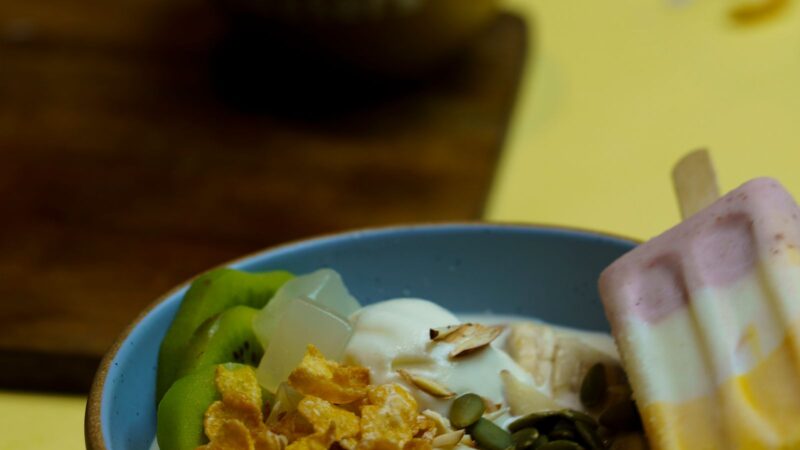
You do not have to ban sweet foods. Pairing sweetness with protein or fiber can make a snack more substantial: Greek yogurt with berries, apple with peanut butter, banana with cottage cheese, oatmeal with cinnamon and fruit, or chia pudding made with milk or fortified soy milk.
A small dessert can also fit a balanced pattern. The important question is whether it crowds out needed nutrition or worsens symptoms—not whether it is morally “good” or “bad.”
Savory Snack Ideas
Try hummus with crackers, egg with toast, cheese with tomato, tuna cucumber bites, edamame, a small lentil cup, turkey roll-ups, tofu cubes with mild seasoning, or avocado on whole-grain toast. Keep portions modest if you are close to the next meal.
Dairy-Free and Plant-Based Choices
Fortified soy yogurt, edamame, tofu, hummus, roasted chickpeas, nut or seed butter with fruit, chia pudding, and oatmeal made with fortified soy milk can all work. Check labels on plant-based yogurts and beverages because protein and micronutrient content vary widely.
If you have food allergies, choose products with appropriate allergen labeling and avoid cross-contact risks relevant to your condition.
Portion and Timing Cues
Start with a small portion. A snack should help, not create uncomfortable pressure or make the next meal impossible. Eat slowly and stop at comfortable fullness. If you are still hungry, you can have more.
People using insulin or sulfonylureas may have specific timing or carbohydrate needs. Follow your diabetes care plan rather than relying on generic snack rules.
Choose the Right Deeper Guide
If protein is the main challenge, build snacks around yogurt, eggs, fish, tofu, beans, lentils, or other tolerated protein sources. If constipation is the issue, focus on gradual fiber plus appropriate fluids. If nausea is the main barrier, choose smaller, lower-fat, simpler options and review persistent symptoms with the prescribing team.
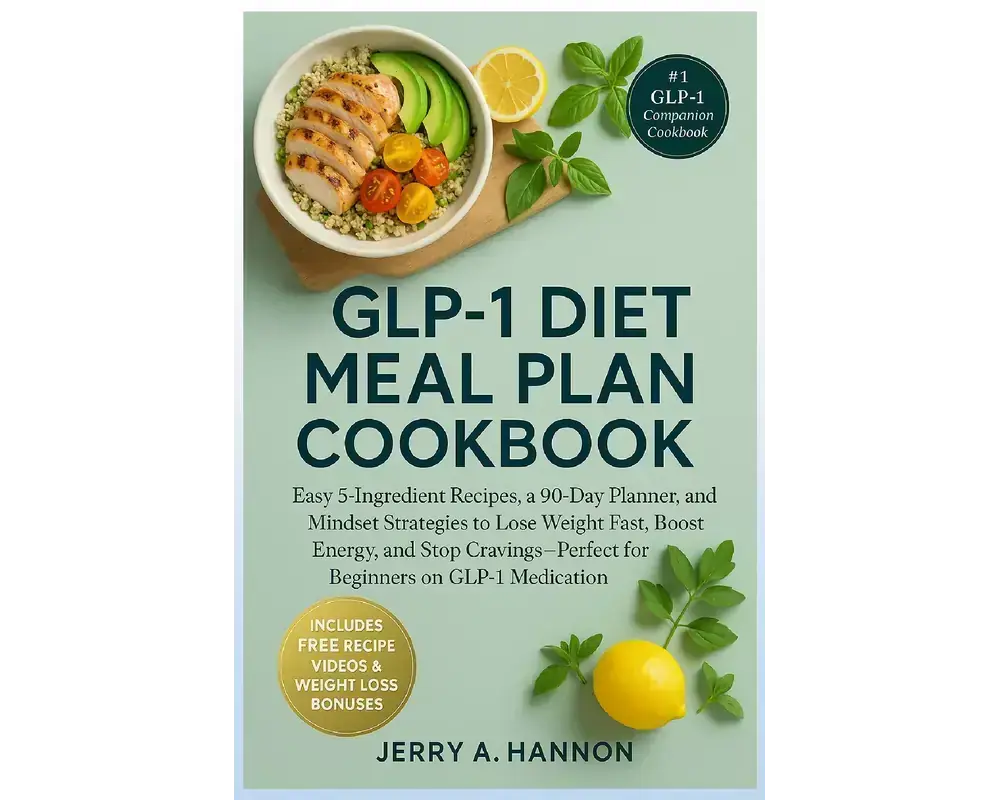
For a full recipe and meal-planning system, the featured resource is the GLP-1 Diet Meal Plan Cookbook. For broader evidence-aware guidance, explore Mayobook’s Fitness, Weight Loss & Body Transformation topic hub.
Collection Standards and Limitations
These snack ideas are curated for practicality, nutritional usefulness, portability, and symptom-aware flexibility. They are not calorie prescriptions and they do not replace individualized medical nutrition care. Kidney disease, pregnancy, complex diabetes treatment, gastrointestinal disease, eating-disorder history, allergies, and other conditions can change what is appropriate.
A snack should support the day’s nutrition, not become a workaround for persistent inability to eat. If appetite suppression or gastrointestinal symptoms repeatedly prevent adequate intake, contact your care team.