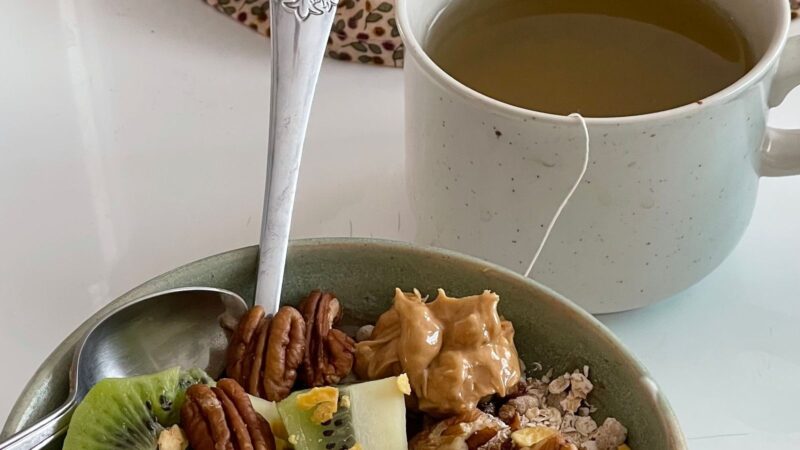
If constipation develops while you are taking a GLP-1 medication, the most useful food approach is usually gradual fiber plus enough fluid, adjusted to your tolerance and medical needs. Foods such as oats, kiwi, pears, prunes, beans, lentils, cooked vegetables, whole grains, chia and flax may help. But adding a large amount of fiber suddenly can make bloating and discomfort worse.
Constipation can have several causes during treatment: slower gastrointestinal movement, reduced food volume, lower fluid intake, less activity, other medicines, or a combination of these. Food can help, but persistent or severe constipation deserves medical review.
The Direct Answer
Start with one or two gentle fiber sources rather than changing everything at once. Oatmeal, kiwi, pears, prunes, cooked vegetables and a small serving of beans or lentils are practical options. Pair increasing fiber with appropriate fluids unless you have been told to restrict fluids for a medical reason.
If your current intake is extremely low, simply adding a fiber supplement without improving food and fluid intake may not solve the underlying problem. Constipation often improves when the whole pattern—fiber, hydration, movement and regular eating—is addressed.
Why Constipation May Occur
GLP-1 medicines affect gastrointestinal function, and constipation is a recognized adverse effect. At the same time, people may eat less food, drink less because of fullness, and move less when nausea or fatigue is present. Less overall intake also means less stool volume.
Other contributors can include iron supplements, certain pain medicines, changes in routine, low physical activity, or pre-existing bowel problems.
Gentler Soluble-Fiber Foods
Soluble fiber absorbs water and forms a softer gel-like material in the digestive tract. Oats are an easy starting point. Kiwi, pears and prunes are also commonly used because they provide fiber and water. Beans and lentils offer both soluble and insoluble fiber, though they may need to be introduced gradually if bloating is an issue.
Chia and ground flax can be useful, but preparation matters. Add small amounts to yogurt or oatmeal and consume them with sufficient fluid. Do not dramatically increase dry seeds while fluid intake remains poor.
Vegetables, Whole Grains, and Beans
Cooked vegetables may be easier to tolerate than a large raw salad when you are already full or bloated. Try carrots, zucchini, spinach, squash, green beans or sweet potato. Whole-grain bread, brown rice, barley and quinoa can contribute fiber while also providing energy.
With beans, start with a small serving and increase only if comfortable. Rinsing canned beans and choosing softer preparations such as lentil soup or hummus can make them easier for some people.
Why Hydration Matters
Fiber works best when the body has enough fluid. If you increase fiber while remaining dehydrated, stools may not soften as expected and symptoms can worsen. Sip fluids throughout the day rather than trying to drink a large amount at once if fullness is an issue.
Water is fine for most people. Tea, broth, milk and other beverages can also contribute. People with heart failure, advanced kidney disease or other fluid restrictions should follow individualized guidance rather than increasing fluids independently.
What Can Make Constipation Worse
Common problems include adding a very large amount of fiber overnight, drinking too little, eating extremely small amounts day after day, inactivity, and relying on highly processed foods with little fiber. For some people, very high-fat meals or certain dairy foods may worsen symptoms, but individual responses differ.
Do not assume more fiber is always better. If increasing fiber causes significant bloating, pain or a sense of blockage, reduce the change and seek advice if symptoms do not settle.
A One-Day Food Pattern to Try
Breakfast: oatmeal made with milk or fortified soy milk, topped with kiwi and a small spoonful of ground flax.
Lunch: lentil soup with whole-grain toast and cooked vegetables.
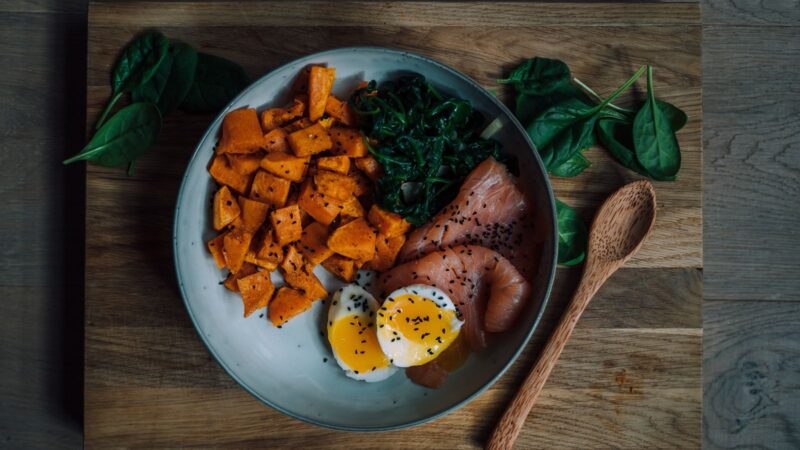
Dinner: salmon or tofu with sweet potato and cooked spinach or green beans.
Optional snack: yogurt with pear, or a small serving of prunes with cottage cheese.
Drink fluids across the day as appropriate. This is an example pattern, not a treatment prescription or fixed portion plan.
Beyond Food
Regular walking or other gentle movement can support bowel regularity. A predictable toilet routine—especially after meals—may also help. If constipation persists, ask a clinician or pharmacist about whether another medication could be contributing and whether a stool softener, osmotic laxative or other treatment is appropriate.
Do not repeatedly self-treat severe constipation without knowing why it is happening.
Red Flags and When to Seek Medical Advice
Seek prompt medical attention for severe or worsening abdominal pain, repeated vomiting, marked abdominal swelling, blood in the stool, inability to pass stool or gas, fainting, or signs of significant dehydration. Persistent constipation that does not improve with basic measures also deserves review.
The goal is not simply to “add fiber.” It is to restore a bowel-friendly pattern that includes tolerable fiber, enough fluid, regular food intake and movement. For broader GLP-1 meal planning, see the GLP-1 Diet Meal Plan Cookbook and Mayobook’s Fitness, Weight Loss & Body Transformation topic hub.