
GLP-1 Meals for Low Appetite: Small, Nutrient-Dense Ideas
Small, practical GLP-1 meals for days when appetite is low—nutrient-dense breakfasts, lunches, dinners, soft foods, no-cook options, symptom-aware adjustments, and ways to increase intake without forcing large portions.
Keep Learning—Listen Free
Short, practical audiobooks for your next step.

Investing for Beginners: Stock Market, Index Funds & Building Wealth | Full Audiobook
Investing for beginners, stock market basics, index funds, ETFs, diversification, compound growth,…

Personal Finance for Beginners: Budgeting, Money Management & Financial Literacy | Full Audiobook
Personal finance for beginners, budgeting, money management, and financial literacy explained in…

Time Management: How to Stop Procrastinating & Be More Productive | Full Audiobook
Time management, how to stop procrastinating, and how to be more productive…

How to Sleep Better: Insomnia, Deep Sleep & Falling Asleep Faster | Full Audiobook
How to sleep better, manage insomnia, get more deep sleep, and fall…

Psychology of Leadership: Leadership Skills, Influence & Communication | Full Audiobook
Psychology of leadership, leadership skills, influence, communication skills, and workplace psychology explained…

Carl Jung Psychology & Shadow Work: Understand Your Unconscious Mind | Full Audiobook
Carl Jung psychology and shadow work explained in a deep full audiobook…

How to Lower Cortisol Naturally: High Cortisol Symptoms & Cortisol Belly | Full Audiobook
How to lower cortisol naturally, understand high cortisol symptoms, reduce chronic stress,…

How to Simplify Your Life: Minimalism, Simple Living & Decluttering | Full Audiobook
How to simplify your life with minimalism, simple living and decluttering —…

How to Overcome Social Anxiety: Stop Overthinking & Build Social Confidence | Full Audiobook
How to overcome social anxiety, stop overthinking conversations, overcome fear of judgment,…
When appetite becomes very small on a GLP-1 medication, the hardest nutrition problem is often not choosing “healthy” food. It is getting enough useful nutrition into an amount of food that feels manageable. A large salad, a dry chicken breast, or a plate built for a normal appetite may look virtuous on paper and still be unrealistic when fullness arrives after a few bites.
The better strategy is to make small meals more nutritionally efficient. That means combining a compact protein source with an easy-to-tolerate carbohydrate or produce choice, adding fat in an amount that feels comfortable, and using fluids strategically rather than forcing a large drink with the meal. For a broader recipe and planning framework, see the GLP-1 Diet Meal Plan Cookbook.
When Appetite Is Low, Meal Quality Matters More
Reduced appetite is an expected effect for many people using GLP-1-based medicines, but there is an important difference between being satisfied with less food and being unable to nourish yourself. If portions shrink, the foods you do eat need to contribute more than empty volume.
Protein, vitamins, minerals, fiber, energy and fluid still matter even when hunger is muted. A low-appetite meal therefore works best when each component has a job. Yogurt can provide protein and calcium. Oats can add carbohydrate and fiber. Fruit can contribute fluid, potassium and vitamin C. Nut butter can add energy in a small volume.
Low appetite also varies by day. Do not assume that yesterday’s tiny intake should become today’s rule. If hunger is better, eat more. If symptoms are worse, scale the meal down while protecting the most useful components.
A Small-Meal Formula
A simple formula is protein + tolerated produce or carbohydrate + optional fat. Examples include Greek yogurt with berries and oats; an egg with toast and soft fruit; tofu with rice and cooked vegetables; or lentil soup with a small piece of bread.
Keep portions modest at first. You can always eat more if you remain hungry and comfortable. Starting smaller can reduce the pressure to “finish the plate” and may make it easier to notice comfortable fullness before nausea or reflux develops.
If drinking during meals makes you too full, take smaller sips and move most fluids between eating occasions. If fat-rich foods worsen symptoms, choose lower-fat preparations rather than eliminating fat completely.
Breakfasts That Do Not Feel Overwhelming
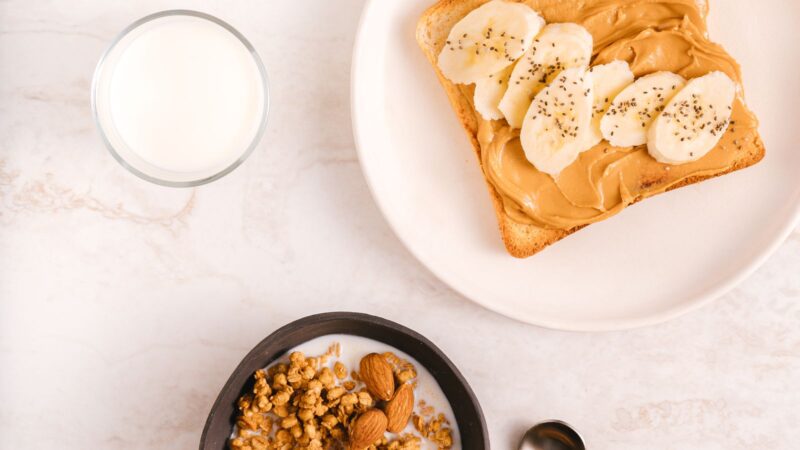
Breakfast can be especially useful because it creates an early nutrition opportunity before the day gets busy. Small options include Greek yogurt with berries; one egg with toast; cottage cheese with soft fruit; oatmeal made with milk or fortified soy milk; or a small smoothie containing yogurt, soy milk or another protein source.
For a plant-based breakfast, try tofu scramble in a small tortilla, soy yogurt with oats and fruit, or oatmeal made with fortified soy milk and a spoonful of nut or seed butter.
If morning nausea is strong, start with a few bites of something bland or cool and return to the rest later. A smaller breakfast followed by a midmorning mini-meal may be easier than one conventional serving.
Light Lunches and Savory Mini-Meals
Lunch does not need to be a large salad. Consider a small bowl of chicken-and-rice soup, half a turkey or hummus wrap, tuna on whole-grain crackers, lentil soup, cottage cheese with tomato and toast, or a small rice bowl with tofu and cooked vegetables.
Soft foods often work well because they require less chewing and can feel less bulky. Soup can be especially useful when it includes a meaningful protein source rather than being only broth. Add shredded chicken, tofu, beans, lentils, egg or dairy where appropriate.
If raw vegetables feel too voluminous, replace them with cooked zucchini, carrots, squash, spinach or green beans. The goal is not to abandon produce; it is to use a form that fits the appetite and symptoms you have today.
Small Dinners With Complete Nutrition
A small dinner can still feel like a real meal. Try baked fish with mashed potato and soft vegetables; a small serving of chicken with rice and roasted carrots; tofu with noodles and cooked greens; turkey or bean chili; or an omelet with toast and fruit.
Separating components can help. Instead of mixing everything into a large casserole, plate a small amount of protein, a few bites of starch and a small vegetable portion. If you fill up early, you can save the remaining components for later without feeling that the entire meal was lost.
Rich sauces, heavy frying and very large portions of fat can worsen nausea or fullness for some people. Use enough flavor to make food appealing, but let tolerance guide how rich the meal becomes.
Drinkable and Spoonable Options
Smoothies, soups, yogurt, cottage cheese, oatmeal and blended bean dishes can be valuable when chewing a full meal feels exhausting. They are not automatically better than solid food, but they can make nutrition easier to access.
A useful smoothie might contain milk or fortified soy milk, Greek or soy yogurt, berries and a small amount of nut butter. Keep the portion modest. Drinking a very large smoothie quickly can create the same uncomfortable fullness as a large meal.
Likewise, protein shakes can fill a temporary gap, but they should not become the default answer to persistent inability to eat. If low appetite is severe enough that you are relying heavily on supplements, a clinician or dietitian should assess the broader pattern.
No-Cook and Five-Minute Meals
Low appetite often comes with low motivation to cook, so remove unnecessary friction. Keep a few combinations that require almost no preparation:
- Greek yogurt, berries and oats.
- Cottage cheese, fruit and whole-grain crackers.
- Canned tuna or salmon with toast and cucumber.
- Hummus, pita and a boiled egg.
- Edamame with microwave rice and pre-cooked vegetables.
- Rotisserie chicken with a small baked potato and frozen vegetables.
- Bean soup with toast and a spoonful of yogurt.
Convenience is a nutrition strategy when the alternative is skipping food.
Meals for Nausea, Constipation, and Reflux Days
For nausea: smaller, lower-fat, lightly seasoned meals may be easier. Toast, rice, oats, bananas, yogurt, eggs, soups and soft fruit are practical starting points for many people, though tolerance varies.
For constipation: gradually include oats, kiwi, pears, prunes, cooked vegetables, beans or well-hydrated chia while maintaining appropriate fluids. Abruptly loading the diet with fiber can worsen bloating.
For reflux: smaller meals may help more than one large evening meal. Personal triggers can include high-fat, spicy or acidic foods, but there is no universal prohibited list.
Food adjustments are supportive, not a substitute for medical care. Persistent vomiting, severe pain, marked abdominal swelling, inability to pass stool or gas, blood, or inability to keep fluids down needs clinical assessment.
How to Increase Intake Without Forcing Food
Use frequency before volume. If a normal meal is too large, try four or five smaller eating opportunities. Fortify foods you already tolerate: make oats with milk instead of water, add yogurt to soup where appropriate, spread nut butter thinly on toast, add olive oil to cooked vegetables, or include cheese, tofu, egg or beans in a small dish.
Temperature and smell matter too. Cooler foods may be easier when cooking odors trigger nausea. Soft textures can reduce the effort of eating. Planning food before hunger appears can help because waiting for a strong appetite signal may not work well during treatment.
The aim is not to force yourself beyond fullness. It is to make each tolerable bite count.
A Three-Day Low-Appetite Example Plan
Day One
Breakfast: Greek yogurt with berries. Lunch: chicken-and-rice soup. Dinner: baked fish, mashed potato and cooked carrots. Optional mini-meal: fruit with cottage cheese.
Day Two
Breakfast: oatmeal with fortified soy milk and nut butter. Lunch: half a hummus-and-egg wrap. Dinner: tofu with rice and soft vegetables. Optional mini-meal: soy yogurt and fruit.
Day Three
Breakfast: one egg with toast and banana. Lunch: lentil soup with bread. Dinner: turkey or bean chili. Optional mini-meal: milk or fortified soy milk with a small oat-based snack.
These are examples, not calorie prescriptions. Increase, reduce or split portions according to comfort, hunger and medical guidance.
When Low Appetite Needs Clinical Attention
Contact your prescribing clinician if appetite suppression repeatedly prevents you from eating enough to function, if weight is falling in a way that concerns your care team, or if nausea and vomiting are making normal intake difficult. Dizziness, progressive weakness, signs of dehydration or recurrent low blood glucose deserve particular attention.
People using insulin or sulfonylureas may need individualized meal and medication guidance because eating substantially less can increase hypoglycemia risk. Kidney disease, pregnancy, older age, gastrointestinal disease and eating-disorder history can also change the safest nutrition strategy.
A smaller appetite can be accommodated. Persistent nutritional inadequacy should not be normalized. For broader evidence-aware resources on protein, fiber, hydration and meal planning, explore Mayobook’s Fitness, Weight Loss & Body Transformation topic hub.
Want the complete system?
Explore the full book for a deeper, structured guide.
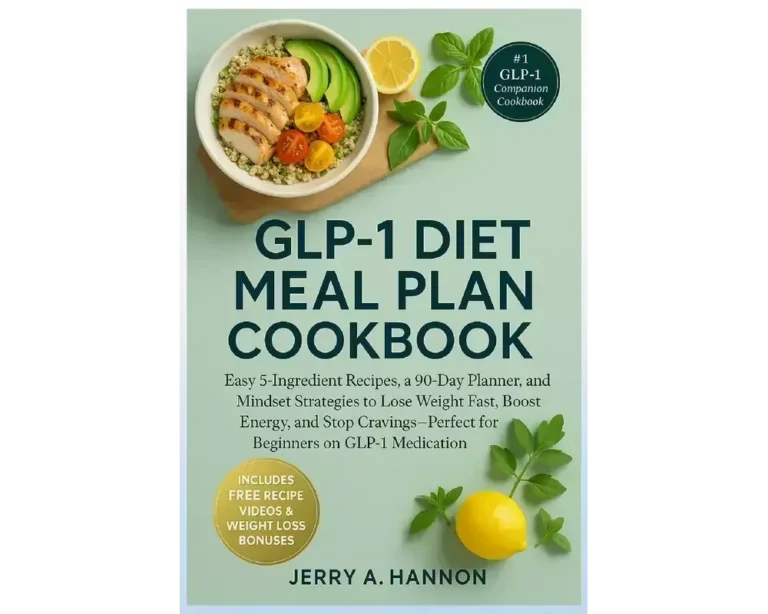
GLP-1 Diet Meal Plan Cookbook
The GLP-1 Diet Meal Plan Cookbook was created to help you lose weight fast without starving, stressing, or second-guessing your next meal. With easy 5-ingredient recipes, a…
View the BookMore in Weight Loss & Detox
View category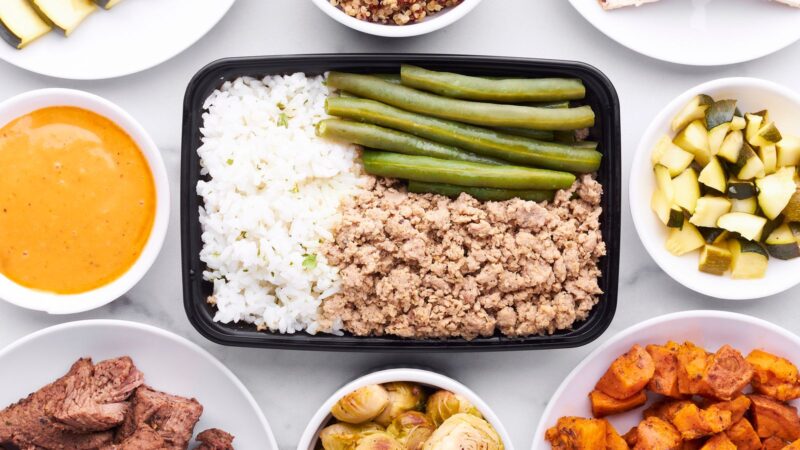
GLP-1 Food List: What to Eat and How to Build Balanced Meals
A practical GLP-1 food list built around protein, fiber, hydration and nutrient density—plus flexible choices for nausea, early fullness, constipation and everyday meal building.
The Practical GLP-1 Grocery List for a Balanced Week
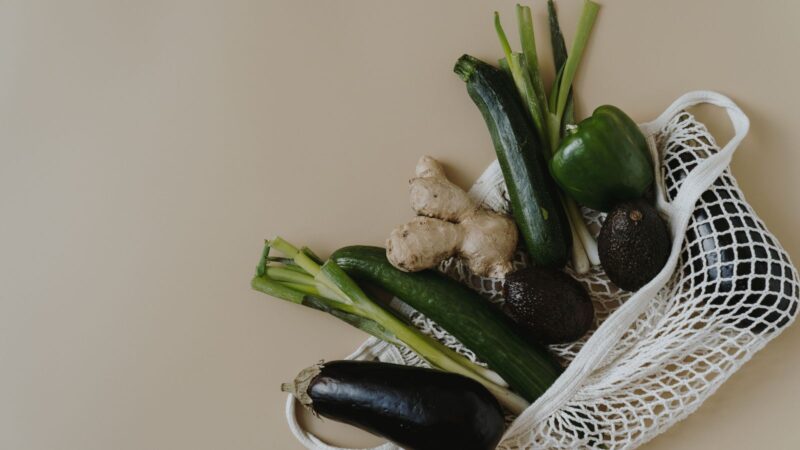
Shop for a balanced GLP-1 week with a practical grocery system that covers protein, produce, fiber staples, hydration, low-effort backups, budget swaps and smaller-appetite meals.