
Omega-3 Fats and the Anti-Inflammatory Diet: Food Sources and Evidence
A food-first guide to omega-3 fats in anti-inflammatory eating, explaining ALA, EPA, and DHA, the strength and limits of the evidence, practical food sources, and why supplements are a separate decision.
Keep Learning—Listen Free
Short, practical audiobooks for your next step.

Investing for Beginners: Stock Market, Index Funds & Building Wealth | Full Audiobook
Investing for beginners, stock market basics, index funds, ETFs, diversification, compound growth,…

Personal Finance for Beginners: Budgeting, Money Management & Financial Literacy | Full Audiobook
Personal finance for beginners, budgeting, money management, and financial literacy explained in…

Time Management: How to Stop Procrastinating & Be More Productive | Full Audiobook
Time management, how to stop procrastinating, and how to be more productive…

How to Sleep Better: Insomnia, Deep Sleep & Falling Asleep Faster | Full Audiobook
How to sleep better, manage insomnia, get more deep sleep, and fall…

Psychology of Leadership: Leadership Skills, Influence & Communication | Full Audiobook
Psychology of leadership, leadership skills, influence, communication skills, and workplace psychology explained…

Carl Jung Psychology & Shadow Work: Understand Your Unconscious Mind | Full Audiobook
Carl Jung psychology and shadow work explained in a deep full audiobook…

How to Lower Cortisol Naturally: High Cortisol Symptoms & Cortisol Belly | Full Audiobook
How to lower cortisol naturally, understand high cortisol symptoms, reduce chronic stress,…

How to Simplify Your Life: Minimalism, Simple Living & Decluttering | Full Audiobook
How to simplify your life with minimalism, simple living and decluttering —…

How to Overcome Social Anxiety: Stop Overthinking & Build Social Confidence | Full Audiobook
How to overcome social anxiety, stop overthinking conversations, overcome fear of judgment,…
Omega-3 fats are often highlighted in anti-inflammatory eating advice because they participate in cell membranes and signaling pathways that influence inflammatory processes. That makes them an important part of a balanced diet, but not a stand-alone treatment for chronic inflammation or inflammatory disease.
The most practical approach is food-first: understand the main types of omega-3 fats, know where they come from, and include them as part of a varied pattern rich in vegetables, fruit, whole grains, legumes, nuts, seeds, and mostly unsaturated fats.
Why Omega-3 Fats Show Up in Anti-Inflammatory Eating Advice
Omega-3s are polyunsaturated fats. The three names most readers encounter are ALA, EPA, and DHA. They differ in where they are found and how the body uses them, so “omega-3” is not one single substance.
Research on omega-3s includes studies of inflammatory biomarkers, cardiovascular outcomes, dietary patterns, and clinical conditions. Results vary by population, dose, source, baseline diet, and study design. That is why it is more accurate to say omega-3-rich foods fit an anti-inflammatory dietary pattern than to claim that omega-3s automatically lower inflammation in every person.
ALA, EPA, and DHA: The Three Names You Need to Know
| Omega-3 | Main food sources | Practical point |
|---|---|---|
| ALA | Flaxseed, chia seeds, walnuts, soy foods, canola oil, some leafy vegetables | An essential plant omega-3 that the body can convert only partly to EPA and DHA |
| EPA | Fatty fish, seafood, some algae-derived foods or products | A long-chain omega-3 involved in signaling pathways |
| DHA | Fatty fish, seafood, algae-derived sources | A long-chain omega-3 important in cell membranes, including nervous-system tissues |
ALA is valuable in its own right and should not be dismissed simply because conversion to EPA and DHA is limited. Plant foods that provide ALA also contribute fiber, minerals, and other beneficial compounds.
What the Evidence Says About Omega-3s and Inflammation
Human studies suggest omega-3 intake can influence some inflammatory mediators and biomarkers, particularly in certain populations. However, biomarker changes are not the same as guaranteed improvement in symptoms or a cure for a disease.
Observational studies can also be affected by the rest of a person's lifestyle. Someone who eats fish regularly may differ in many ways from someone who does not. Controlled trials provide stronger evidence for cause and effect, but they still differ in dose, duration, participant health, and the form of omega-3 studied.
The useful takeaway is cautious: omega-3-rich foods are a well-supported part of high-quality dietary patterns, especially when they replace more heavily processed or less nutrient-dense choices. They are one part of the pattern, not the whole explanation.
Food Sources of EPA and DHA
Fatty fish are the most familiar food sources of EPA and DHA. Examples include salmon, sardines, trout, mackerel, and herring. Some shellfish also contribute smaller amounts.
Practical ways to include these foods include salmon with roasted vegetables and brown rice, sardines on whole-grain toast with tomatoes, or trout with lentils and greens. Canned salmon or sardines can be economical and shelf-stable options.
People who do not eat fish may use algae-derived foods or products as sources of DHA and sometimes EPA, depending on the product. Food choice should also take allergies, pregnancy guidance, mercury considerations, sustainability, and local seafood advice into account.
Plant Sources of ALA
Plant-based omega-3 sources are easy to add to ordinary meals:
- Ground flaxseed stirred into oats or yogurt.
- Chia seeds added to overnight oats, smoothies, or puddings.
- Walnuts paired with fruit or used in salads.
- Soy foods such as tofu, tempeh, or edamame.
- Canola oil where it fits your cooking style.
Whole flaxseed can pass through the digestive tract less completely broken down, so ground flaxseed is often more practical when the goal is nutrient access. Store ground seeds appropriately to protect freshness.
How to Work Omega-3-Rich Foods Into the Week
You do not need to redesign every meal. Add omega-3 foods to meals you already eat.
- Breakfast: oats with berries, walnuts, and ground flaxseed.
- Lunch: quinoa salad with edamame, vegetables, and sesame-ginger dressing.
- Snack: fruit with walnuts or a chia-and-yogurt bowl.
- Dinner: salmon with vegetables and a whole grain, or tofu with vegetables and brown rice.
If you eat fish, use it as one of several protein options rather than making it the only “anti-inflammatory” food on the plate. Pair it with vegetables, legumes or whole grains, and unsaturated fats. If you are plant-based, rotate flax, chia, walnuts, soy foods, and other nutrient-dense staples across the week.
Food Sources and Supplements Are Not the Same Decision
A supplement is not simply “fish in a capsule.” Supplements involve different evidence, dose, concentration, manufacturing quality, side effects, and medication considerations. Some products can affect bleeding risk or interact with medications, and high-dose use belongs in a different clinical conversation from eating omega-3-rich foods.
This article does not recommend a supplement dose. If you are considering an omega-3 supplement—especially if you take anticoagulants or other medications, are pregnant, have surgery planned, or manage a medical condition—discuss the decision with a qualified clinician or pharmacist.
The Food-First Takeaway
Omega-3 fats deserve a place in anti-inflammatory eating, but they do not need to become the centerpiece of every meal. Use fatty fish if you eat it, plant ALA sources regularly, and keep the larger diet varied and plant-rich.
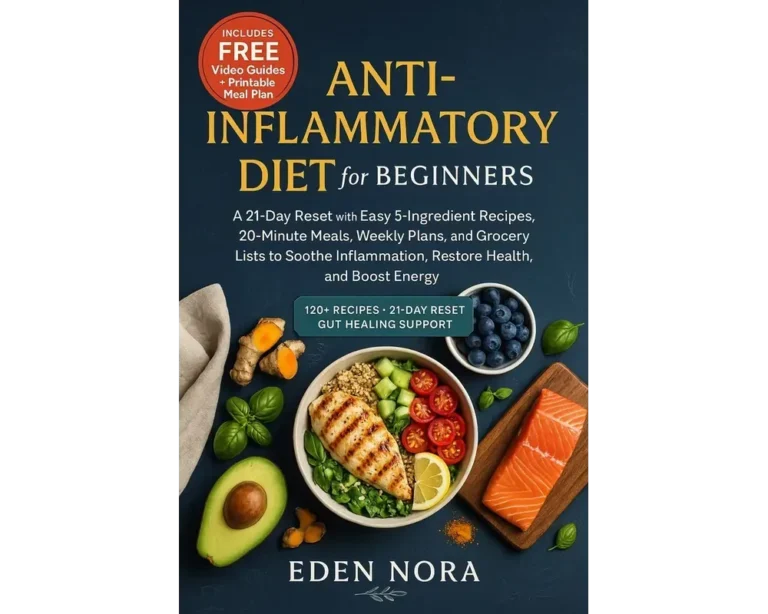
For the broader dietary framework, Mayobook's Anti-Inflammatory Diet for Beginners is the canonical Source Product. The server-governed Fitness, Weight Loss & Body Transformation topic hub is the appropriate Mayobook route to related content.
A simple next step is enough: add one familiar omega-3-rich food to a meal you already enjoy this week, then build variety from there.
Want the complete system?
Explore the full book for a deeper, structured guide.
Anti-inflammatory Diet for Beginners
The Anti-Inflammatory Diet for Beginners: Reset Your Body, Calm the Fire, and Reclaim Your Health Naturally Are you tired of living with joint pain,…
View the BookMore in Health & Wellness
View category
Anti-Inflammatory Breakfast Ideas: Quick, Balanced Ways to Start the Day
Quick anti-inflammatory breakfast ideas built around protein, fiber-rich foods, unsaturated fats, and colorful plant foods, with no-cook, warm, savory, make-ahead, and adaptable options.
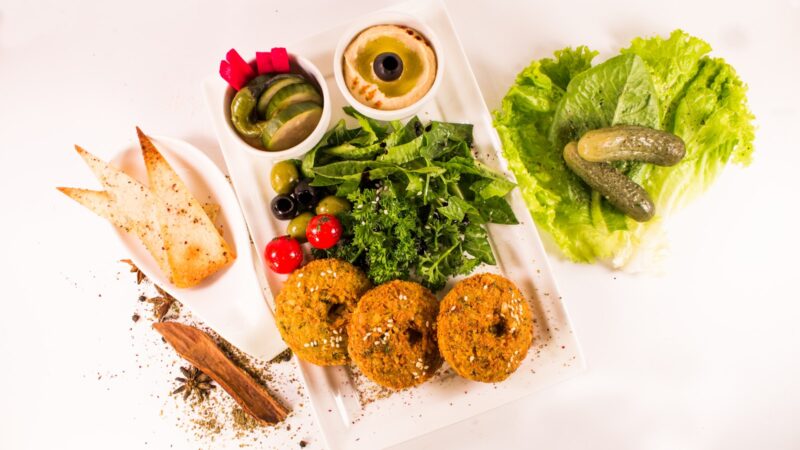
Anti-Inflammatory Snacks: Quick, Satisfying Ideas for Busy Days
Quick anti-inflammatory snack ideas that pair fiber-rich foods with protein or unsaturated fats, including zero-prep, portable, higher-protein, sweet, and packaged options for busy days.
Keep exploring

Fitness, Weight Loss & Body Transformation
See the wider Mayobook topic hub with guides, answers, comparisons, and books.
Explore the topic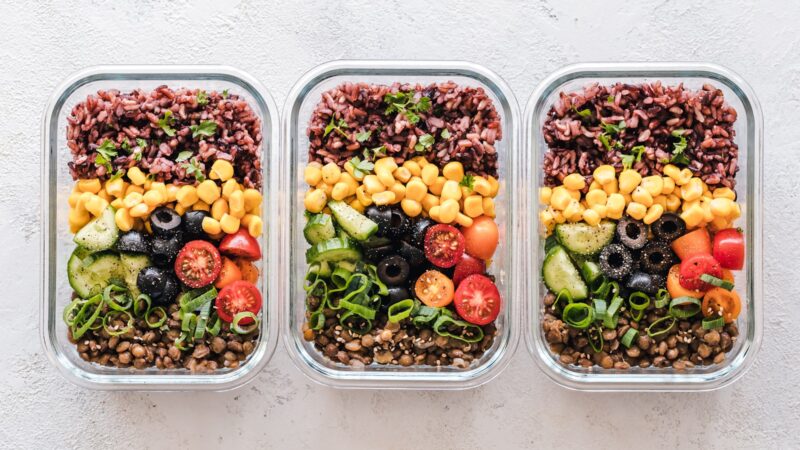
Anti-Inflammatory Meal Prep: A Practical Make-Ahead System for the Week
Go deeper with a longer structured guide connected to this topic.
View guide