The Meal-Prep System: Prepare Components, Not Seven Identical Meals
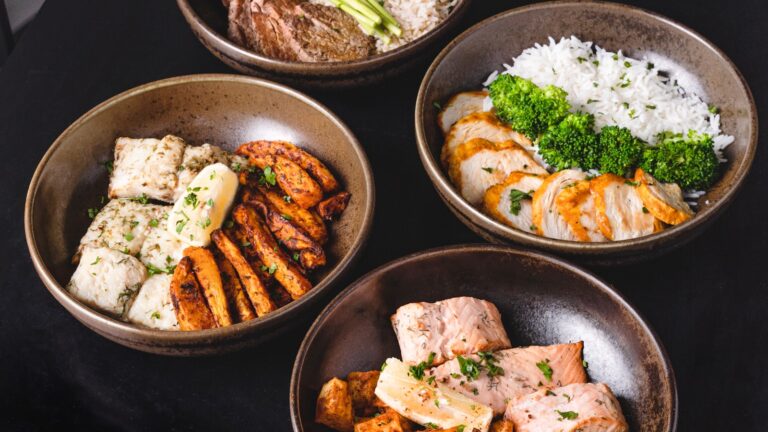
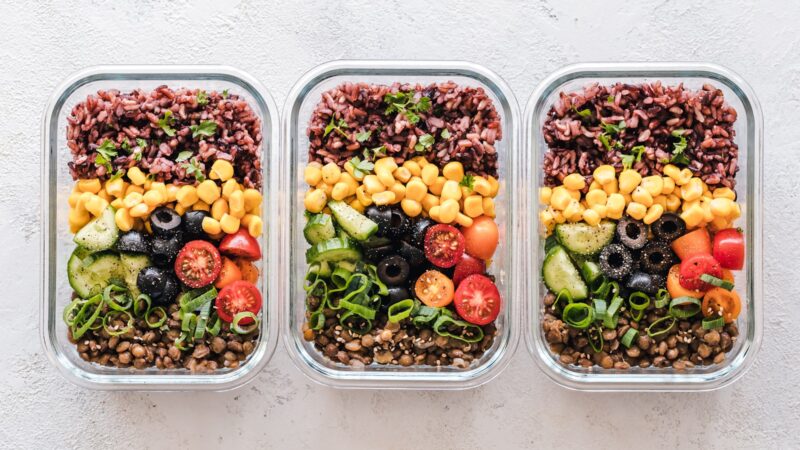
A component-based system gives you variety with less cooking. Think in five building blocks:
- Protein: beans, lentils, tofu, tempeh, eggs, poultry, fish, plain yogurt, or another option that fits your diet.
- Fiber-rich base: brown rice, quinoa, barley, oats, whole-grain pasta, potatoes with skin, or legumes.
- Vegetables: a mix of roasted, steamed, raw, or frozen vegetables.
- Flavor builder: olive-oil vinaigrette, tahini-lemon sauce, yogurt-herb sauce, hummus, salsa, pesto-style herbs, or spice blends.
- Optional extras: fruit, nuts, seeds, avocado, herbs, or a simple snack pairing.
Once those parts are ready, the same chickpeas can become a grain bowl, salad, wrap filling, or soup addition. Roasted vegetables can move from dinner to lunch. A batch of oats can become overnight oats or a warm breakfast. Variety comes from assembly and seasoning rather than cooking a completely different recipe every day.
Choose Your Weekly Building Blocks
Before cooking, choose a small set of ingredients with overlapping uses. A realistic week might include two proteins, one or two grain or legume bases, three to five vegetables, one sauce, and a few breakfast or snack staples.
For example:
- Proteins: chickpeas and baked chicken, or tofu and lentils.
- Bases: quinoa and brown rice.
- Vegetables: broccoli, peppers, onions, carrots, and spinach.
- Sauce: lemon, olive oil, herbs, mustard, and garlic.
- Breakfast/snacks: oats, berries, plain yogurt or fortified plant yogurt, walnuts, apples, hummus.
There is no need to buy premium specialty foods. Frozen vegetables, canned beans, prewashed greens, microwaveable whole grains, and other convenience foods can be valuable when they make balanced meals more likely to happen.
A 60–90 Minute Prep Workflow
The exact time depends on your kitchen, skill, quantity, and equipment, so treat this as a sequence rather than a promise. The biggest time savings come from running tasks in parallel.
Start the Longest-Cooking Items First
Preheat the oven, start grains or lentils, and prepare any protein that needs longer cooking. If you are using canned beans, pre-cooked grains, or ready-to-eat proteins, this step may take only a few minutes.
Wash and Chop Produce While Other Foods Cook
Prepare vegetables for roasting, steaming, salads, or snacks. Keep some vegetables raw if you want texture variety during the week. A tray of broccoli, peppers, onions, carrots, and cauliflower can roast while grains cook.
Prepare Protein Efficiently
Cook a versatile protein with a neutral seasoning base so it can work in several meals. Lemon, garlic, herbs, paprika, cumin, ginger, or black pepper can add flavor without committing the entire batch to one cuisine. If you plan to eat fish later in the week, you may prefer to prep marinades or accompaniments now and cook the fish closer to the meal.
Mix One Sauce or Dressing
A simple sauce changes the character of repeated components. Whisk olive oil, lemon juice, mustard, herbs, and garlic; or mix tahini with lemon and water; or use plain yogurt with herbs if dairy suits you. Store sauces separately from greens and crispy components so texture holds up better.
Portion Components, Not Complete Meals
Instead of sealing every lunch in advance, store grains, proteins, vegetables, greens, and sauces separately where practical. This makes it easier to build a warm bowl one day and a cold salad the next.
Cool, Store, and Reheat Food Safely
Meal prep should make eating easier without creating unnecessary food-safety risk. Cool cooked foods promptly rather than leaving them at room temperature for extended periods. Use clean, food-safe containers, refrigerate perishable foods promptly, and keep raw animal foods separate from ready-to-eat ingredients during preparation.
Because safe storage time depends on the specific food, refrigerator temperature, handling, and local guidance, do not rely on one universal “meal prep lasts X days” rule. Follow current food-safety guidance in your jurisdiction and use freezing when you are preparing food farther ahead than is appropriate for refrigeration.
When reheating, heat foods thoroughly and avoid repeatedly warming and cooling the same large container. Portioning what you need before reheating can protect both safety and quality. Foods such as dressed greens, avocado, cut herbs, and crispy toppings are usually better added after reheating.
Mix-and-Match Meals for Breakfast, Lunch, and Dinner
A component system becomes valuable when you can turn the same prep into different meals.
Breakfast
Use oats with berries, walnuts, chia or flaxseed, and plain yogurt or an unsweetened fortified alternative. For a savory option, combine leftover vegetables with eggs or tofu and whole-grain toast. If mornings are rushed, assemble overnight oats or portion dry toppings ahead of time.
Lunch
Build a grain bowl with quinoa, chickpeas, roasted vegetables, greens, and lemon-herb dressing. The next day, use the same chickpeas and vegetables over greens with avocado and seeds. On another day, fold components into a whole-grain wrap.
Dinner
Use your prepared base and vegetables as the foundation for a quick stir-fry, soup, sheet-pan reheat, pasta dish, or bowl. Add a freshly cooked protein when appropriate, or use prepped beans, lentils, tofu, or poultry. Keeping sauces separate lets you shift flavors—from Mediterranean-style lemon and herbs to a ginger-sesame profile—without cooking everything again.
A Lower-Effort Version for Busy or Low-Energy Weeks
You do not need a large prep session to benefit from meal prep. Choose the version that matches your available energy.
- Full prep: cook two proteins, two bases, several vegetables, a sauce, and breakfast/snack components.
- Moderate prep: cook one protein and one grain, roast one tray of vegetables, and wash fruit.
- Minimum-viable prep: buy prewashed greens, frozen vegetables, canned beans, microwaveable whole grains, fruit, nuts, hummus, and one ready-to-use protein.
A useful low-effort dinner is canned chickpeas plus microwaveable brown rice plus frozen vegetables, finished with olive oil, lemon, and herbs. Another is whole-grain toast with hummus, tomatoes, greens, and a side of fruit. Convenience is not a failure of meal prep; it is often the reason the system succeeds.
What Not to Prep Too Early
Some foods are technically possible to prepare in advance but lose quality quickly. Dressed leafy salads can wilt. Crispy roasted foods soften when sealed with moist ingredients. Cut avocado browns. Delicate herbs lose texture. Toast and wraps can become soggy if filled too early.
Partial prep often works better. Wash greens but dress them later. Chop sturdy vegetables in advance while cutting delicate produce closer to serving. Make sauces early but store them separately. Prepare a grain bowl without avocado, nuts, seeds, or dressing and add those at mealtime.
Make Meal Prep Work for Different Households
For one person, cook smaller amounts and freeze suitable portions so you are not eating the same food for days. For couples or families, prepare neutral components and let each person customize sauces, toppings, or protein choices. If household members have different dietary needs, shared bases such as rice, quinoa, roasted vegetables, fruit, or salad greens can reduce duplicate cooking.
Budget-focused meal prep can rely heavily on oats, beans, lentils, brown rice, seasonal produce, frozen vegetables, eggs, peanut butter, canned fish where appropriate, and basic herbs and spices. The goal is not to create an expensive wellness aesthetic; it is to make nourishing food easier to reach when you are hungry.
Turn One Prep Session Into a Weekly Habit
At the end of the week, do a short review. Which components were used first? What was left over? Which meals were genuinely easy? Keep the successful building blocks and change only one or two things next week. A repeatable system gets simpler over time.
For the broader beginner framework behind these meal choices, Mayobook's Anti-Inflammatory Diet for Beginners is the canonical Source Product. The server-governed Fitness, Weight Loss & Body Transformation topic hub provides the appropriate Mayobook navigation route for related material.
A good weekly rhythm is: choose a few meals, shop, prepare versatile components, assemble meals differently, freeze what you will not use promptly, and note what worked. Meal prep is successful when it reduces friction—not when every container looks identical.