A Realistic Way to Practice Calm
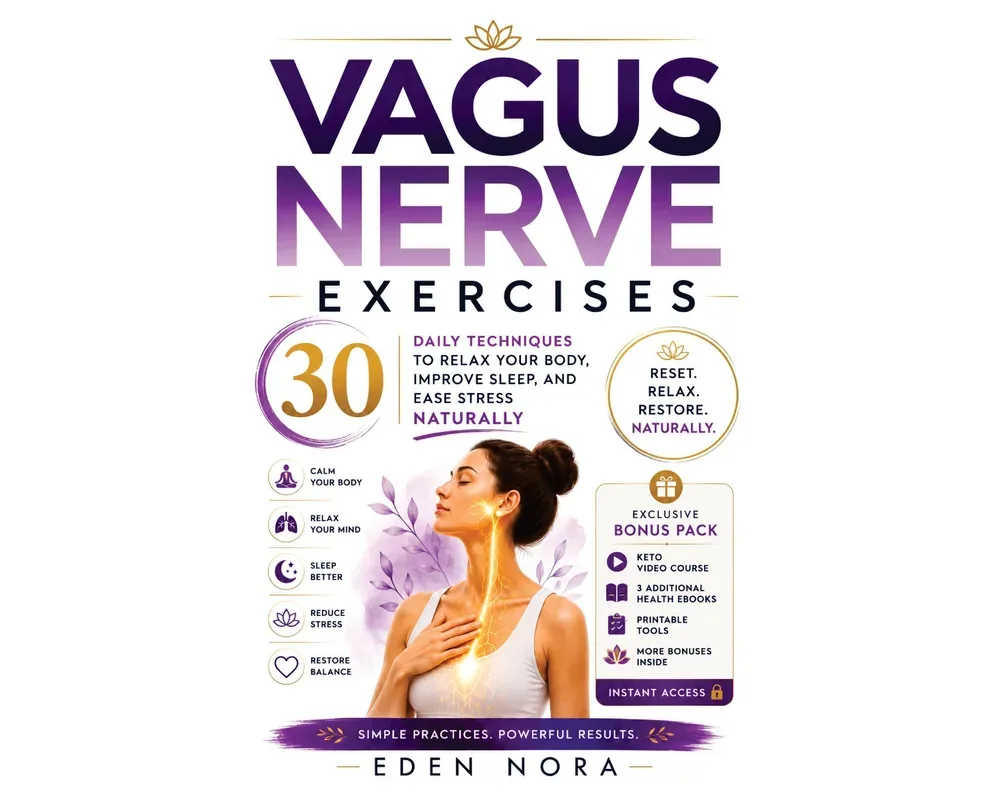
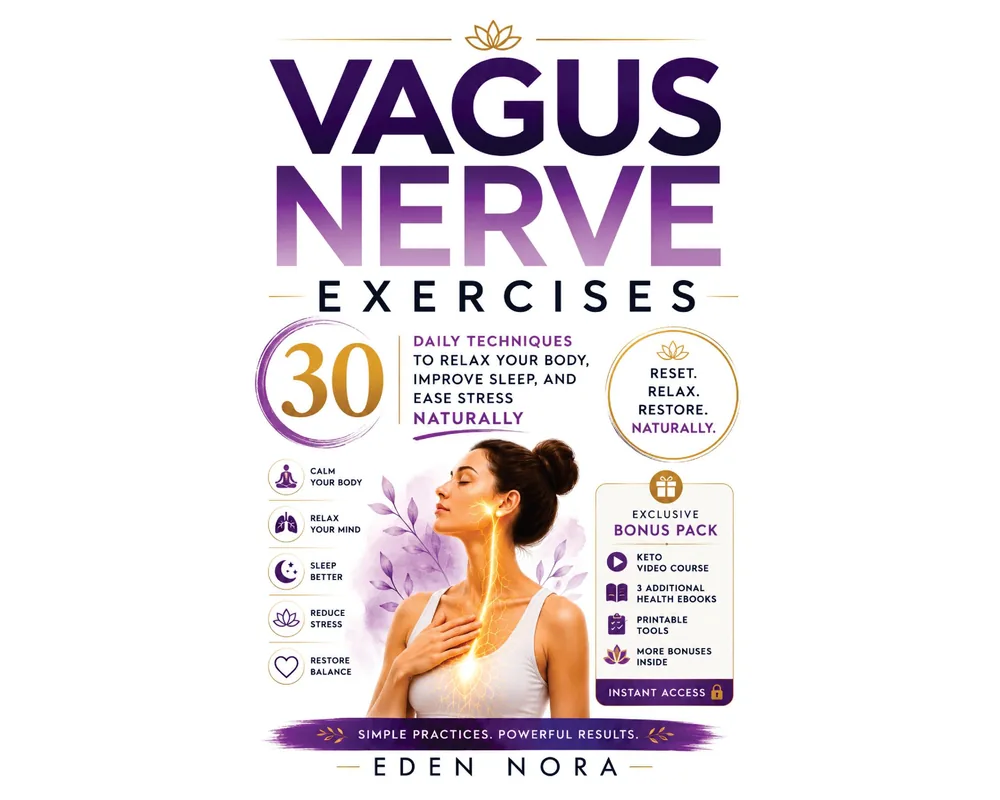
If you reach the end of a demanding day and still feel physically tense, being told to “just relax” can sound impossible. Vagus Nerve Exercises takes a more practical approach: learn what the body’s relaxation response involves, then explore manageable practices that can fit your schedule. The book brings together 30 daily techniques for breathing, body awareness, gentle movement, and settling into rest.
This is a guide for readers who want to understand what they are practicing, not another promise of an instant nervous-system reset. There is no requirement to become an expert in anatomy or meditation first. Start small, notice your response, and return to the techniques you find comfortable and useful.
What the Vagus Nerve Does—and What At-Home Exercises Can Claim
The vagus nerve is involved in communication between the brain and several organs. It contributes to the parasympathetic nervous system, which helps regulate functions such as heart rate and digestion. That makes it an important part of the body’s physiology, but it does not mean every online “vagus hack” has been shown to activate the nerve in a clinically meaningful way.
Relaxation and clinically delivered vagus nerve stimulation are different things. Breathing slowly may help some people feel calmer, yet this alone cannot establish a measurable improvement in vagal tone or prove that a medical condition has been treated. This book helps readers keep the appealing idea of body-based calm separate from claims that still need better research.
Inside the 30 Daily Techniques
The material introduces approachable techniques rather than a complicated fitness program. Its practical themes include:
- Comfortable, unforced breathing that encourages a slower pace without breath-holding or strain.
- Body-awareness and gentle movement approaches for noticing tension and responding with care.
- Mindful grounding and attention exercises for periods of everyday stress or mental overload.
- Brief pause-and-reset practices you can fit between obligations instead of waiting for a perfect quiet hour.
- Evening wind-down options for creating a more predictable transition toward rest.
You can compare approaches by how they feel and how easy they are to repeat. Some people may prefer quiet breathing, while others respond better to gentle movement or a brief body scan. None of these options needs to become an all-or-nothing routine.
Make Room for Practice in an Ordinary Week
A useful habit does not have to occupy an entire morning. You might take a short pause before work, spend a few comfortable minutes breathing after a stressful conversation, or build a simple evening routine that gives your mind time to settle. Choose one practice first and add variety only when it serves a purpose.
The book’s daily format makes it easier to experiment without losing your place. Pay attention to comfort, consistency, and realistic expectations. Missing a day is not failure; forcing an uncomfortable exercise to maintain a perfect streak would miss the point. What matters is learning a few ways to respond to tension more deliberately.
Sleep, Stress, and Emotional Balance
Breathing and relaxation practices can support everyday stress management, and some research suggests that these methods may help people feel less stressed. Evidence varies considerably by technique and health condition. They should be seen as potentially useful additions to good sleep habits, physical activity, and appropriate healthcare—not guaranteed solutions.
If sleep is your main concern, an evening wind-down can be worthwhile, but persistent insomnia deserves assessment; cognitive behavioral therapy for insomnia (CBT-I) remains a well-supported treatment option. Likewise, ongoing anxiety or other severe symptoms are not problems a book can diagnose or reliably resolve. It is sensible to use gentle self-care alongside professional guidance when needed.
Safe Practice Matters More Than Intensity
There is no need to push through dizziness, distress, painful movement, or uncomfortable breathing. Begin in a supportive position, let the breath remain natural, and stop if an exercise feels wrong for your body. Avoid treating extreme cold exposure, pressure on the neck, or unsupervised stimulation devices as necessary steps toward calm.
Anyone with significant health concerns, trauma-related reactions, or uncertainty about a technique should consult a qualified healthcare professional. The information in this guide is educational and does not replace individualized medical advice.
Go Deeper with Connected Mayobook Resources
For a closer look at practical breathwork and its evidence limits, read Vagus Nerve Breathing Exercises. To understand how a wellness routine differs from a medical intervention, see Vagus Nerve Stimulation vs. Vagus Nerve Exercises. Both are connected to this book through Mayobook’s verified Product Authority Cluster.
The NIH overview of relaxation techniques offers further context about the benefits, limitations, and safety considerations of common relaxation methods.
Build a Routine You Can Actually Return To
Vagus Nerve Exercises is for readers who want structured, accessible ways to explore calm without adding another high-pressure commitment to their day. It brings the concepts, techniques, and everyday habit-building ideas into one approachable resource. Choose a starting point, practice gently, and let experience—not dramatic promises—guide your next step.