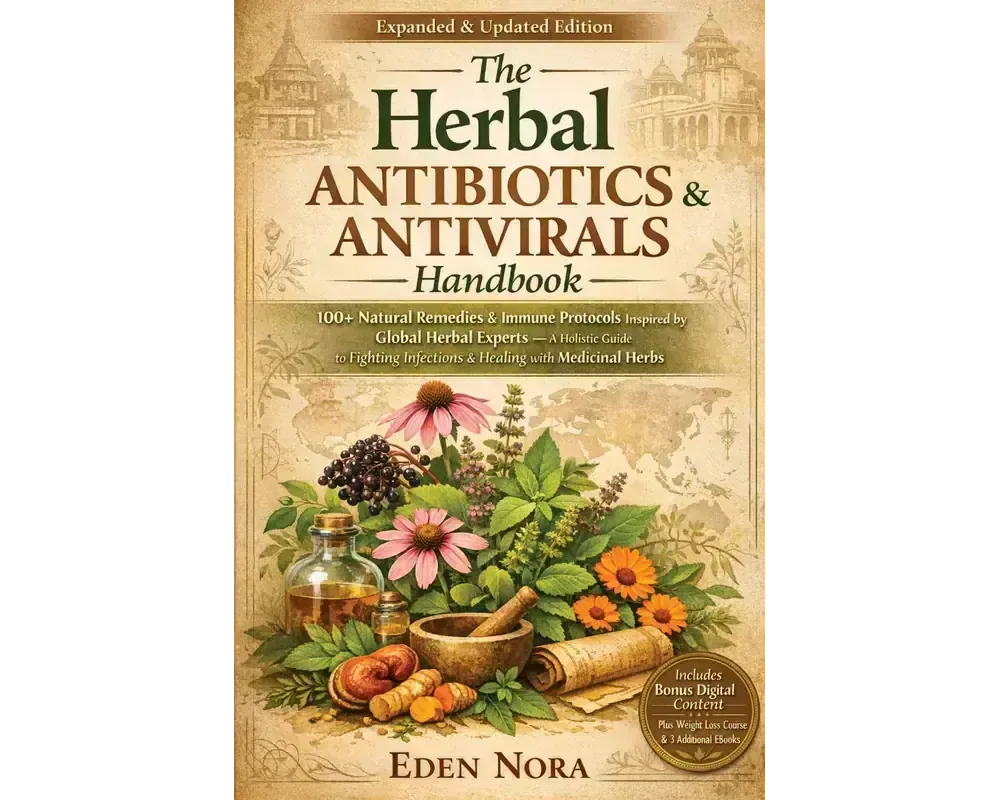
Explore Herbal Antimicrobials With More Context and Better Questions
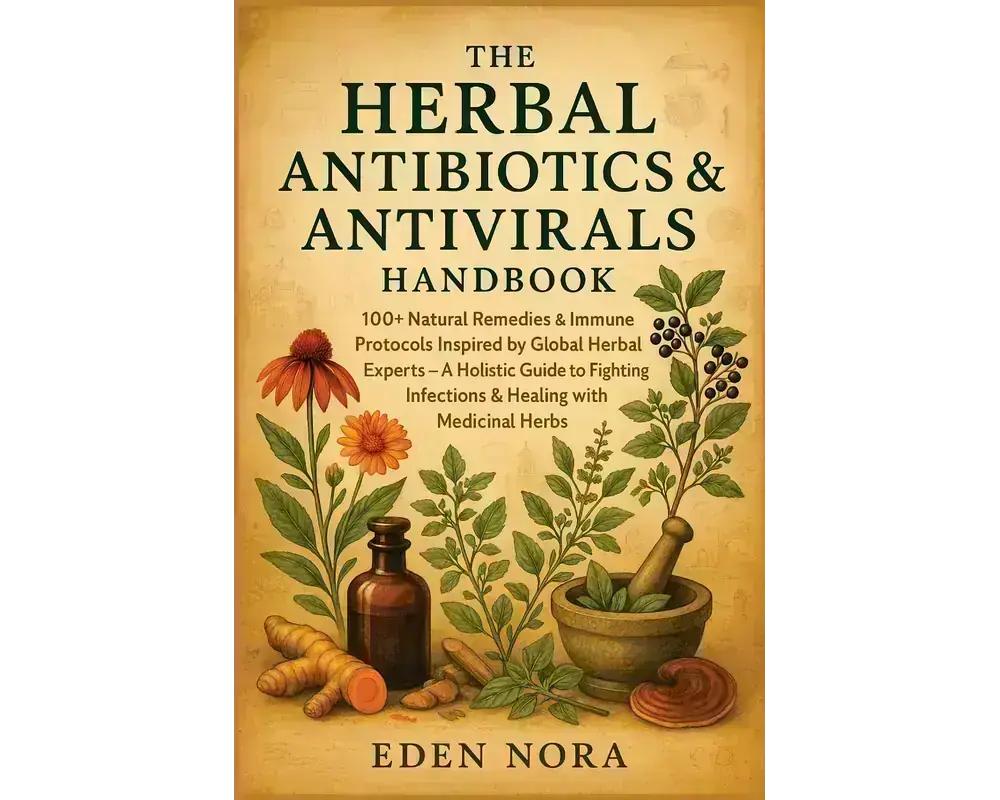
Interest in natural antibiotics and herbal antivirals often begins with a simple question: what can plants actually do? Some herbs contain compounds that scientists study for antimicrobial activity. Many also have long histories of traditional use. But a finding in a laboratory dish is not proof that a homemade tea or extract can treat an infection in a person. Herbal Antibiotics and Antivirals Handbook (Expanded) is best approached as an educational exploration of this complicated subject—not as a replacement for medical care.
This expanded title brings together a broad range of herbal preparations and traditional remedies, presented as more than 100 recipes and protocols. Readers can use it to understand the language of botanical preparations, consider how different traditions describe herbs, and ask more informed questions about safety and evidence. The value of the book lies in organizing a wide subject, not in promising cures for bacterial or viral disease.
What “Herbal Antibiotic” Really Means
The phrase herbal antibiotic is common in popular wellness writing, but it should not be mistaken for a proven equivalence to prescription antibiotics. Clinical antibiotics are drugs with specific indications, evidence, dosing standards and known safety profiles. Plants may contain substances with interesting properties in laboratory research, yet the results often depend on extraction methods and concentrations that do not match ordinary household preparations.
The same distinction applies to discussions of natural antivirals. A compound that affects a virus in a controlled experiment is not automatically an effective or safe treatment for a human infection. Readers should distinguish traditional use, laboratory findings, early clinical research and established medical treatment. Each answers a different question, and none should be substituted casually for another.
This perspective allows you to appreciate botanical research without accepting dramatic claims at face value.
Inside the Expanded Herbal Handbook
Rather than treating herbs as interchangeable ingredients, the book’s broad reference format encourages a more detailed look at how preparations are described and used. Readers interested in botanical history, home herbal traditions and immune-health discussions can explore:
- Medicinal plant traditions: why particular leaves, roots, seeds and resins feature in longstanding herbal practices.
- Preparation techniques: the language of teas, decoctions, infusions, tinctures and other familiar formats.
- Remedy and recipe collections: an organized presentation of traditional formulations and what they have been used for historically.
- Botanical research: how to interpret claims about antimicrobial or antiviral properties without confusing preliminary findings with clinical results.
- Safety considerations: contamination, potency, plant identification, adverse reactions and interactions with medications.
- Questions worth asking: what evidence is available, what remains uncertain and when expert advice matters.
The expanded presentation may appeal to readers who enjoy comparing methods and building a reference library. It should not be used to self-prescribe unverified mixtures for active infections.
Preparation, Potency and Product Quality Matter
Even when two preparations come from the same plant, they may not contain the same chemical constituents in the same amounts. A water infusion, an alcohol extract and an essential oil can differ substantially. Commercial products may also vary by concentration, extraction process, label accuracy and contamination controls.
These differences are why copying a traditional formula does not by itself establish a safe amount or a predictable effect. Concentrated extracts should never be assumed to be safer simply because they come from plants, and essential oils should not be swallowed or applied without specific safety guidance.
Use the handbook as a way to learn the vocabulary and compare approaches. Before considering any herbal product for personal use, look for dependable product-specific information and talk with a qualified clinician or pharmacist when health conditions or medications are involved.
A Responsible View of Infection and Immune Health
Your immune system is complex, and infections have many different causes. Ordinary wellness habits—such as sufficient nutrition, rest and following appropriate medical advice—are not interchangeable with treatment for a diagnosed infection. Herbal preparations may be discussed as complementary practices, but their clinical usefulness depends on the particular plant, preparation, question and evidence.
Do not delay evaluation for fever that persists, breathing problems, severe pain, spreading infection, dehydration or other concerning symptoms. Bacterial infections may require prescribed antibiotics; certain viral illnesses may require specific medical care. A book on herbs cannot determine which treatment is appropriate for you.
Responsible reading means making room for uncertainty rather than promising that a “natural” product can eradicate pathogens or safely replace medicine.
Take Herb–Drug Interactions Seriously
Botanical products may interact with prescription and over-the-counter medicines, including medicines for blood clotting, mood, heart conditions and other medical issues. Some plants can also be unsafe during pregnancy or breastfeeding or for people with liver or kidney disease. Product quality is not uniform, and contamination or incorrect plant identification can create additional dangers.
If you take medication or manage a health condition, ask a healthcare professional about any product you are considering. For independent reading, the National Center for Complementary and Integrative Health’s herb–drug interaction guidance explains why these concerns deserve attention. Medical advice should be based on your own health history and the exact preparation, not on general assurances that an herb is natural.
Compare Related Mayobook Herbal Resources
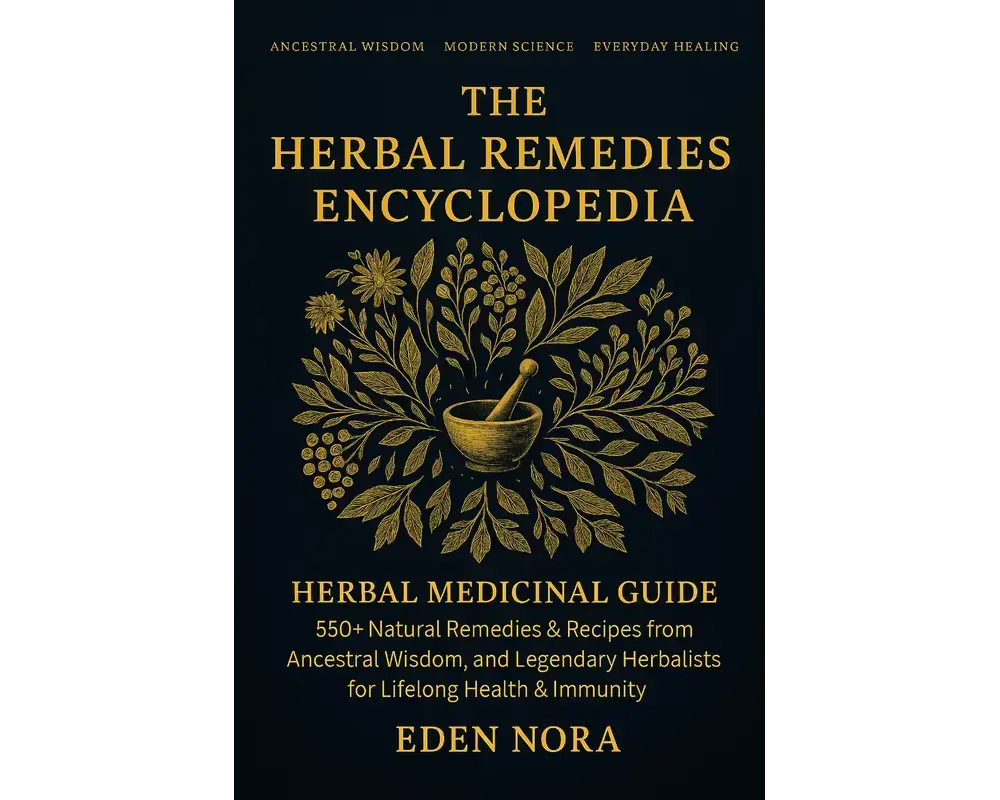
Readers who want a broad overview of many medicinal plants and traditional recipes can explore The Herbal Remedies Encyclopedia. For a more introductory companion within the same subject area, see The Herbal Antibiotics & Antivirals Handbook. Each resource takes a different editorial angle, and none should be interpreted as medical authorization to treat infections without professional guidance.
The expanded handbook is the narrower, deeper exploration of herbal antimicrobial themes. It is for readers who want context, preparation terminology and a more organized way to examine traditional botanical claims.
Who Will Find This Expanded Edition Useful?
The book is aimed at herbal-history enthusiasts, curious readers of botanical research, home gardeners, and people who like comparing traditional preparation methods. It can also support more informed conversations with healthcare professionals by helping readers recognize where evidence is limited and what questions to ask before using a botanical product.
If you are new to herbal studies, you do not need to master every formula. Begin with a topic you want to understand. Record the plant identity, the preparation being described and the safety questions that apply. Check claims against credible sources. Treat uncertainty as information, not an inconvenience.
Build an Informed Herbal Reference
A serious herbal library does more than list ingredients. It helps you distinguish tradition from evidence, appreciate how preparation changes a product, and recognize when a health question belongs with a qualified professional. That is the most responsible way to explore a subject as broad and fascinating as herbal medicine.
Educational notice: This title does not diagnose, prevent, treat or cure infections or other diseases. Do not stop prescription medicines, replace prescribed antibiotics or antivirals, or delay urgent care based on a remedy or protocol described in a book.