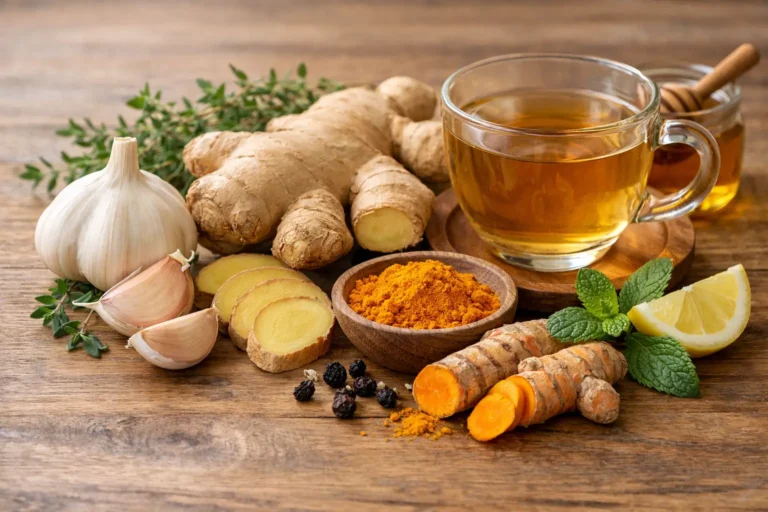
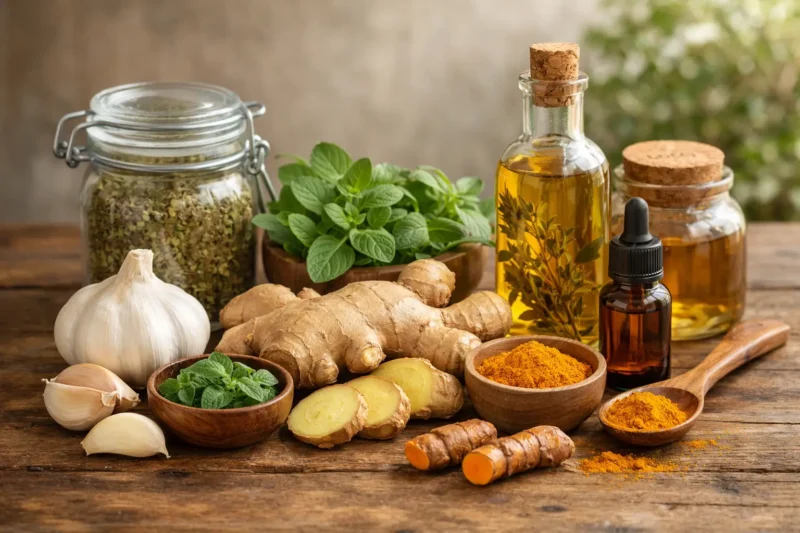
This guide explains what natural antibiotics really are, how they work, which herbs are most effective, and how to use them safely.
What Are Natural Antibiotics?
Natural antibiotics refer to herbs and plant-based substances that have traditionally been used to:
- support the body’s immune defense
- inhibit harmful microorganisms
- assist recovery during illness
Unlike pharmaceutical antibiotics, which are designed to directly kill or inhibit bacteria in a targeted way, herbal approaches tend to be broader and more supportive.
They may:
- help regulate immune response
- create an environment less favorable for pathogens
- support the body’s natural recovery processes
This difference is important because it shapes how herbs should be used.
Why People Look for Natural Antibiotics
There are several reasons people explore herbal alternatives:
- concern about overuse of antibiotics
- desire for natural or plant-based approaches
- interest in preventive health
- curiosity about traditional medicine
While these motivations are valid, it’s essential to approach herbal antibiotics with clarity rather than assumption.
Herbs are tools—not shortcuts.
How Herbal Antibiotics Work
Herbal antibiotics do not function in exactly the same way as pharmaceutical drugs.
Instead, they typically work through a combination of mechanisms:
1. Supporting Immune Function
Many herbs help the body respond more effectively to infection.
2. Creating Unfavorable Conditions for Pathogens
Some herbs contain compounds that may inhibit bacterial or viral activity.
3. Reducing Inflammation
Inflammation is part of immune response, but excessive inflammation can be harmful.
4. Supporting Recovery
Herbs may help the body restore balance after stress or illness.
This multi-layered approach is why herbal medicine often focuses on overall resilience, not just eliminating symptoms.
The Most Effective Natural Antibiotic Herbs
1. Garlic
Garlic is one of the most well-known natural antibiotics.
Benefits:
- supports immune defense
- widely used in traditional medicine
- accessible and versatile
Use:
- raw garlic
- cooked in food
- supplements
Garlic is often used as a daily preventive herb.
2. Oregano
Oregano is considered one of the strongest herbal options for infection support.
Benefits:
- traditionally used for antibacterial support
- concentrated in oil form
Use:
- oregano oil (with caution)
- tea or extracts
Due to its strength, oregano should be used carefully and not excessively.
3. Ginger
Ginger supports both immune and digestive health.
Benefits:
- warming and supportive
- helps during discomfort
- widely used in tea
Use:
- fresh tea
- food
- powder
4. Turmeric
Turmeric is associated with inflammation balance and immune support.
Benefits:
- supports long-term health
- commonly used in food and supplements
5. Echinacea
Echinacea is often used during early stages of illness.
Benefits:
- supports immune response
- commonly used short-term
6. Elderberry
Elderberry is widely used for seasonal illness support.
Benefits:
- supports immune system
- often used in syrups
7. Honey (Raw)
Though not an herb, raw honey is often included due to its antimicrobial properties.
When Herbal Antibiotics May Be Helpful
Herbal antibiotics are commonly used for:
- mild infections
- early-stage symptoms
- immune support during seasonal illness
- general preventive wellness
However, they are not appropriate for every situation.
When You Should Not Rely Only on Herbs
It is critical to understand limitations.
Do not rely solely on herbal remedies when:
- symptoms are severe
- infection is spreading
- high fever persists
- breathing is affected
- condition worsens
In such cases, proper medical care is essential.
Safety Considerations
Key safety rules:
- avoid excessive use
- understand herb strength
- check for interactions
- use appropriate dosage
- consult professionals when needed
Natural Antibiotics vs Pharmaceutical Antibiotics
Key differences:
| Natural | Pharmaceutical |
|---|---|
| supportive | targeted |
| gradual | fast-acting |
| broader effect | specific bacteria |
| fewer immediate side effects (when used properly) | can have strong side effects |
Neither is “better”—they serve different roles.
Common Mistakes Beginners Make
- assuming herbs replace medicine
- using strong herbs daily
- mixing too many herbs
- ignoring safety
- expecting instant results
How to Use Herbal Antibiotics Effectively
Step 1: Start simple
Use one or two herbs.
Step 2: Match herb to need
Different herbs serve different roles.
Step 3: Use correct form
Tea, tincture, oil—all differ.
Step 4: Monitor response
Observe your body.
Final Perspective
Natural antibiotics are powerful when used correctly—but they require understanding.
They are not a replacement for modern medicine, but they are valuable tools for:
- supporting immune health
- improving resilience
- complementing healthy habits
Used wisely, they can become part of a balanced approach to wellness.