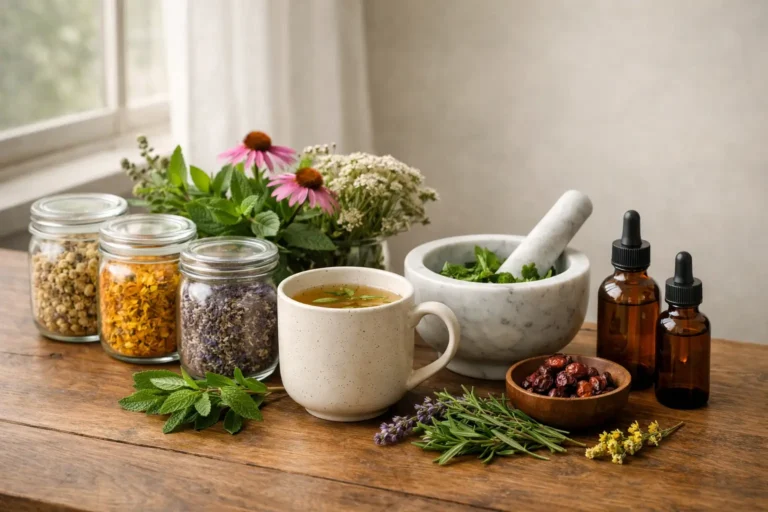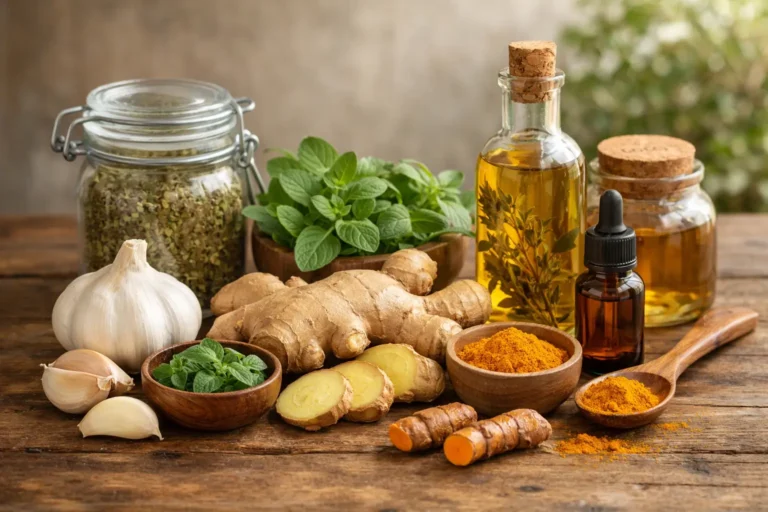
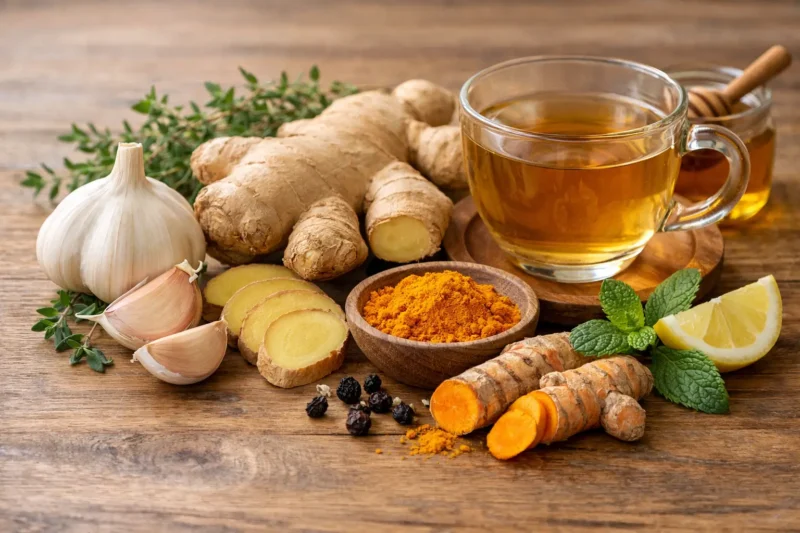
This guide breaks down the most effective herbs for immune support, how they work, and how to use them intelligently.
What “Immune Support” Really Means
Before looking at specific herbs, it is important to correct a common misunderstanding.
The goal is not to “over-activate” the immune system.
Instead, the goal is:
- balance immune response
- support defense mechanisms
- reduce unnecessary inflammation
- improve resilience over time
Some herbs are stimulating. Others are regulating. Some support recovery. The best approach combines understanding with moderation.
The Most Effective Herbs for Immune System Support
1. Echinacea
Echinacea is one of the most widely known herbs for immune support. It is often used at the early stages of illness or during periods when the body feels vulnerable.
Key benefits:
- supports immune response
- commonly used during seasonal challenges
- short-term immune support
How to use:
- tea or tincture
- typically used for limited periods rather than continuously
2. Elderberry
Elderberry is traditionally used for seasonal immune support, particularly during cold and flu periods.
Key benefits:
- supports immune defense
- rich in natural plant compounds
- commonly used as syrup or extract
How to use:
- syrup, capsules, or tea
- often used preventively or during early symptoms
3. Garlic
Garlic is one of the most accessible and practical immune-supporting herbs.
Key benefits:
- supports natural defense mechanisms
- widely used in food and traditional medicine
- part of daily wellness routines
How to use:
- raw or cooked in food
- supplements when needed
4. Ginger
Ginger supports both immune health and overall body function.
Key benefits:
- supports circulation and warmth
- commonly used during discomfort or illness
- supports digestion, which indirectly affects immunity
How to use:
- fresh tea
- added to meals
- powdered or capsule form
5. Turmeric
Turmeric is widely recognized for its role in supporting inflammation balance.
Key benefits:
- supports immune system balance
- associated with long-term wellness
- commonly used in both food and supplements
How to use:
- powdered in food
- capsules or extracts
6. Oregano
Oregano is often considered one of the stronger herbs used for immune support.
Key benefits:
- traditionally used for defense support
- often used in concentrated forms
How to use:
- oil (with caution)
- teas or extracts
7. Chamomile
While not a direct immune stimulant, chamomile supports the body in ways that improve overall resilience.
Key benefits:
- supports relaxation and sleep
- helps reduce stress (a major immune factor)
- gentle daily support herb
How to Use Immune Herbs Safely
Herbal medicine becomes effective when it is used correctly—not excessively.
Key rules:
1. Do not combine too many herbs at once
Start simple. Learn how your body responds.
2. Use stronger herbs cautiously
Some herbs are not meant for long-term daily use.
3. Pay attention to dosage
More is not always better.
4. Be aware of interactions
Especially if using medications or managing conditions.
Daily vs Targeted Immune Support
Daily support herbs:
- garlic
- turmeric
- chamomile
- ginger
Short-term support herbs:
- echinacea
- elderberry
- oregano
Understanding this distinction prevents overuse and improves effectiveness.
Lifestyle Still Matters
No herb can compensate for:
- poor sleep
- chronic stress
- unhealthy diet
- lack of movement
Herbs support the system—they do not replace the foundation.
Common Mistakes to Avoid
- using herbs only when sick
- expecting instant results
- ignoring safety guidelines
- over-relying on strong extracts
- not maintaining consistency
How Long Do Immune Herbs Take to Work?
Some herbs provide immediate support, especially warming or soothing ones like ginger.
Others work gradually, supporting the body over time.
Consistency matters more than intensity.
When to Be Careful
Consult a professional if:
- you are pregnant or breastfeeding
- you take medications
- you have chronic conditions
- symptoms persist or worsen
Final Perspective
The best herbs for immune system support are not miracle solutions—they are tools.
Used wisely, they:
- support resilience
- strengthen natural defense
- improve overall wellbeing
The real advantage comes from understanding how to use them consistently and safely.