
Defining element
Lemon Balm contains multiple naturally occurring plant constituents; composition varies by plant part and preparation.
A practical evidence-aware reference to Lemon Balm (Melissa officinalis).
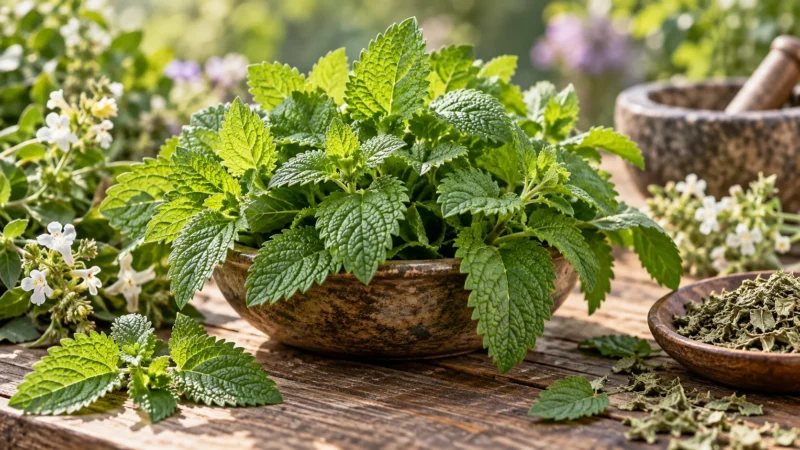
Lemon Balm (Melissa officinalis) is a medicinal plant commonly prepared from leaves and used traditionally for calm, sleep and digestive comfort.
Traditional use is broader than the available clinical evidence. Preparation, plant part, concentration and individual health factors materially affect interpretation and safety.
Use this map to move through the concept in a clear order: meaning, mechanism, use, and wider context.
Lemon balm (Melissa officinalis) belongs to the mint family and releases a lemon-like aroma when its leaves are crushed. It has traveled a long way from garden herb to modern “calm” supplement, appearing in teas, tinctures, capsules and combination sleep formulas. That variety makes one question especially important: when a study reports an effect, was it testing the same kind of lemon balm product a consumer is holding?
The leaves are the principal medicinal material. Fresh leaves may be used in food or tea, while commercial extracts concentrate selected constituents. Lemon balm contains volatile oils and phenolic compounds such as rosmarinic acid, but a constituent profile alone does not predict how strongly a finished product will affect a person.
Because lemon balm is frequently combined with valerian, passionflower or other calming herbs, a study of a multi-herb formula cannot automatically be credited to lemon balm alone.
European herbal traditions used lemon balm for restlessness, digestive discomfort and nervous tension. Today it is most often promoted for stress, sleep, mood and cognitive performance. These are related but distinct outcomes: feeling calmer during a stressful task is not the same endpoint as treating an anxiety disorder, and falling asleep more easily is not the same as correcting chronic insomnia.
Small human studies have explored standardized lemon balm preparations for stress responses, anxiety symptoms, sleep and aspects of cognition. Some findings are encouraging, but sample sizes are often modest and preparations differ. Results therefore support continued research more strongly than they support sweeping claims.
Laboratory work has examined antioxidant, cholinergic and antiviral mechanisms. Those findings may help explain why the plant attracts scientific interest, but they should not be presented as evidence that oral lemon balm cures dementia, viral infections or psychiatric disease.
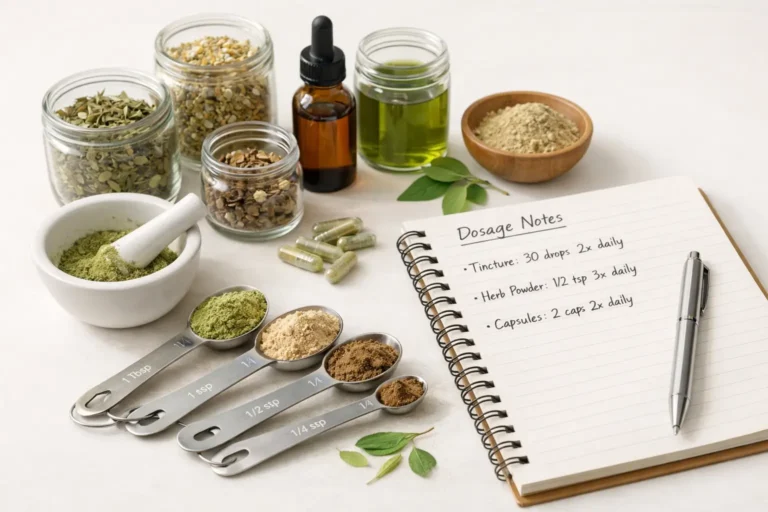
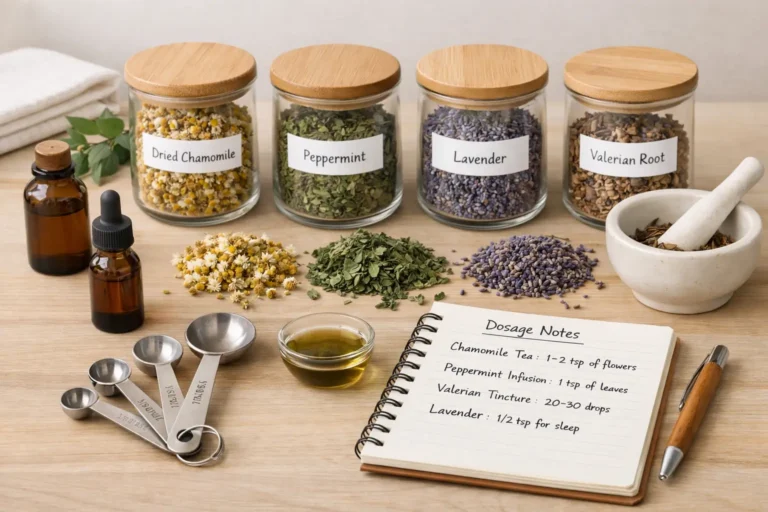
A cup of lemon balm tea is a relatively dilute water infusion. Tinctures use a solvent system that extracts a different profile, while capsules can contain dried leaf or a concentrated extract. Some research products are standardized in ways ordinary retail products are not. For that reason, copying a research dose from one extract to another brand is unreliable.
Combination sleep products deserve special scrutiny because they may contain several sedating ingredients. The label should be reviewed as a whole rather than treating each herb independently.
Reported adverse effects are usually mild and can include gastrointestinal discomfort, headache or drowsiness. Sedation becomes more relevant when lemon balm is combined with alcohol, sleep medication or other calming supplements. Experimental and preclinical work has also raised thyroid-related questions, so people being treated for thyroid disease should discuss concentrated use with a clinician rather than assuming it is neutral.
Broader information about herbal adverse effects is available in Mayobook’s Are There Side Effects of Herbal Medicine?.
The clearest practical concern is additive sedation. A person who is already taking a medicine that causes drowsiness may experience more impairment when a calming herbal product is added. Thyroid medication users also deserve individualized review because the clinical relevance of laboratory findings is uncertain, not nonexistent.
Before surgery or procedures, all supplements should be disclosed to the care team. Stopping or continuing a product should follow the team’s instructions.
Pregnancy and breastfeeding safety data are limited for concentrated medicinal preparations. The same is true for routine pediatric supplementation. People with thyroid disease, significant sedation from medicines or complex medication lists should seek advice before adding a concentrated extract.
Look for Melissa officinalis, the amount per serving and whether the product contains leaf powder, tincture or extract. In combination formulas, note every other calming ingredient. Quality testing is useful because botanical identity and labeled strength matter when interpreting both evidence and side effects.
Avoid products promising to “reset cortisol,” cure anxiety or reverse cognitive decline. Those claims go well beyond the available clinical data.
Lemon balm is a plausible calming herb with some human research, but the evidence is still smaller and more preparation-specific than marketing often suggests. Tea, single-herb extract and multi-herb sleep formulas should be treated as different products. Readers exploring related botanicals can compare the broader landscape through What Are the Most Popular Medicinal Herbs? without assuming that all “calming herbs” share the same evidence or interaction profile.
Lemon Balm contains multiple naturally occurring plant constituents; composition varies by plant part and preparation.
A named constituent or laboratory mechanism does not by itself establish a clinical benefit.
Evidence for one Lemon Balm preparation or use should not be generalized to every product or health claim.
Use these connected pages for the next step.
Lemon Balm is best approached as a specific botanical preparation with evidence limits and safety considerations, not as a universal natural remedy.