
Guide
7-Day Anti-Inflammatory Diet Meal Plan: A Practical Week of Meals
A flexible seven-day anti-inflammatory meal plan for beginners, with balanced breakfasts, lunches, dinners, snacks, substitutions, and a practical way to…
Read nextTwo highly overlapping approaches, but not identical: one is a well-studied dietary pattern, while the other is a broader goal-oriented framework.
The Mediterranean diet is the more standardized and extensively researched pattern. A responsible anti-inflammatory diet is broader and often looks Mediterranean nutritionally, but it can be adapted across cuisines and dietary preferences without copying one cultural menu.
Both approaches emphasize plant foods, fiber, legumes, whole grains, nuts, seeds, unsaturated fats, and less reliance on highly processed foods. The key difference is definition: Mediterranean eating is a recognizable researched pattern; “anti-inflammatory diet” has no single universally standardized rulebook.
The Mediterranean diet and an anti-inflammatory diet are not true opposites. In practice, they overlap heavily. The Mediterranean diet is a recognizable dietary pattern with decades of research behind it, while “anti-inflammatory diet” is a broader goal-oriented term used for eating patterns that emphasize foods associated with better inflammatory and cardiometabolic profiles.
That distinction matters. If you want a well-defined template with a large evidence base, the Mediterranean pattern is usually easier to describe and study. If you want a flexible framework that can be adapted to non-Mediterranean cuisines, allergies, preferences, or cultural food traditions, a broader anti-inflammatory approach may feel more natural. Many people can use both ideas at the same time.
The Mediterranean diet can function as an anti-inflammatory dietary pattern, but an anti-inflammatory diet is not necessarily Mediterranean. The Mediterranean pattern has clearer conventions and stronger standardization in research. The broader anti-inflammatory label allows more variation and does not have one universally accepted rulebook.
There is no meaningful reason to force a universal winner. The better framework is the one that gives you enough structure to eat well consistently while fitting your culture, preferences, budget, and medical needs.
The Mediterranean diet is based on traditional eating patterns associated with countries bordering the Mediterranean, although modern research versions vary. Common features include high intake of vegetables, fruit, legumes, whole grains, nuts and seeds; extra-virgin olive oil as a major fat source; regular fish and seafood; and lower reliance on highly processed foods and processed meats. Poultry, dairy, eggs, and other foods may appear in moderate amounts depending on the version.
It is a dietary pattern rather than a rigid meal plan. The strongest research usually examines the overall pattern, not whether someone ate one specific “Mediterranean” ingredient.
There is no single universally standardized anti-inflammatory diet. Most evidence-aware versions emphasize a plant-rich pattern with vegetables, fruit, legumes, whole grains, nuts, seeds, omega-3-rich foods, and mostly unsaturated fats, while limiting sugar-sweetened beverages, heavily refined foods, processed meats, and other foods that can dominate lower-quality dietary patterns.
Some versions resemble the Mediterranean diet closely. Others incorporate foods from Asian, African, Latin American, Middle Eastern, Caribbean, or other cuisines. The label describes the intended nutritional pattern more than a specific cultural template.
| Feature | Mediterranean pattern | Broader anti-inflammatory pattern |
|---|---|---|
| Vegetables and fruit | Strong emphasis | Strong emphasis |
| Legumes | Common staple | Commonly encouraged |
| Whole grains | Common | Commonly encouraged |
| Nuts and seeds | Regular component | Regular component |
| Unsaturated fats | Especially olive oil | Olive oil and other suitable unsaturated-fat sources |
| Fish/seafood | Regular component in many versions | Often encouraged for EPA/DHA omega-3s, if eaten |
| Highly processed foods | Generally limited | Generally limited |
| Added sugar and sugary drinks | Generally limited | Generally limited |
This overlap explains why authoritative health sources often describe Mediterranean-style eating as one practical example of an anti-inflammatory dietary pattern.
The Mediterranean diet has recognizable scoring systems, trial protocols, and recurring food-pattern features. That makes it easier for researchers to compare adherence and outcomes. “Anti-inflammatory diet” can mean different things from one source to another, so research under that label is more heterogeneous.
The Mediterranean pattern has a specific cultural and culinary origin, even though it is adapted globally. A broader anti-inflammatory framework can be built from many cuisines. Beans, greens, whole grains, vegetables, herbs, spices, nuts, seeds, fish, soy foods, or other quality proteins can appear in very different cultural meals and still support the same broad nutritional goals.
Extra-virgin olive oil is particularly central to the Mediterranean pattern. A broader anti-inflammatory approach may include olive oil but can also rely on nuts, seeds, avocado, fish, canola oil, or other unsaturated-fat sources that fit the cuisine and preparation.
Because “anti-inflammatory diet” is less standardized, some popular versions add unnecessary rules—such as universally banning dairy, gluten, nightshades, coffee, eggs, or entire food groups. Those exclusions are not automatically supported for everyone. A responsible anti-inflammatory approach should distinguish diagnosed allergy, celiac disease, intolerance, and individualized medical needs from broad internet claims.
The Mediterranean diet has the stronger and more coherent evidence base as a defined dietary pattern. It has been studied in randomized trials, cohort studies, systematic reviews, and meta-analyses across cardiovascular, metabolic, cognitive, and inflammatory outcomes. Recent research continues to examine its effects on dietary inflammatory indices and inflammatory biomarkers.
Research on anti-inflammatory eating is also meaningful, but the label covers many different interventions. Some studies use Mediterranean-style diets, others use dietary inflammatory indices, specific foods, omega-3-rich patterns, plant-forward diets, or combinations of these. That makes the evidence harder to summarize as one single “anti-inflammatory diet.”
Stronger evidence for the Mediterranean pattern does not mean every Mediterranean meal is automatically beneficial or every non-Mediterranean meal is inferior. Adherence, food quality, quantity, preparation, and the overall pattern still matter.
Mediterranean diet strengths: a clear template, extensive research, familiar food-pattern guidance, strong emphasis on minimally processed plant foods and olive oil, and practical overlap with general healthy-eating recommendations.
Mediterranean diet limitations: some readers may find the cuisine unfamiliar, seafood or olive oil can be costly in some regions, and a literal interpretation may not reflect their cultural foods.
Broader anti-inflammatory strengths: high flexibility, easy adaptation across cuisines, room for plant-based or allergy-aware patterns, and a focus on underlying nutritional characteristics rather than one cuisine.
Broader anti-inflammatory limitations: less standardization, greater risk of contradictory internet rules, and more opportunity for unnecessary restriction or exaggerated “superfood” claims.
Choose a Mediterranean-style template if:
Use a broader anti-inflammatory framework if:
You can also combine them: use the Mediterranean diet as the evidence-based backbone, then adapt ingredients and flavors to your culture and needs.
Both frameworks share a useful starting point. Build more meals around vegetables and fruit, legumes or whole grains, a quality protein source, nuts or seeds, and an unsaturated fat. Make water the default drink. Use herbs and spices generously. Let highly refined foods, processed meats, and sugar-sweetened drinks become less automatic.
A West African bean-and-vegetable stew with whole grains, a Japanese-style tofu bowl with vegetables and sesame, a Mediterranean lentil salad with olive oil, or a Latin American black-bean bowl with avocado can all express similar underlying principles even though only one is culturally Mediterranean.
For the broader beginner framework, Mayobook's Anti-Inflammatory Diet for Beginners is the canonical Source Product. The server-governed Fitness, Weight Loss & Body Transformation topic hub is the appropriate Mayobook navigation route for related content.
If you want the simplest answer, start with Mediterranean-style principles because the evidence is strong and the pattern is well defined. Then adapt the foods so the pattern belongs in your life rather than feeling like a temporary diet you borrowed from someone else's kitchen.
Use Mediterranean-style eating as the default evidence-based template if it suits your household. Adapt the same underlying principles when your culture, vegetarian or vegan preferences, allergies, budget, or food availability make a literal Mediterranean menu impractical. Avoid anti-inflammatory plans that depend on unsupported universal food bans.
Use these connected pages to deepen context, compare alternatives, and move confidently toward the right next step.
A flexible seven-day anti-inflammatory meal plan for beginners, with balanced breakfasts, lunches, dinners, snacks, substitutions, and a practical way to…
Read next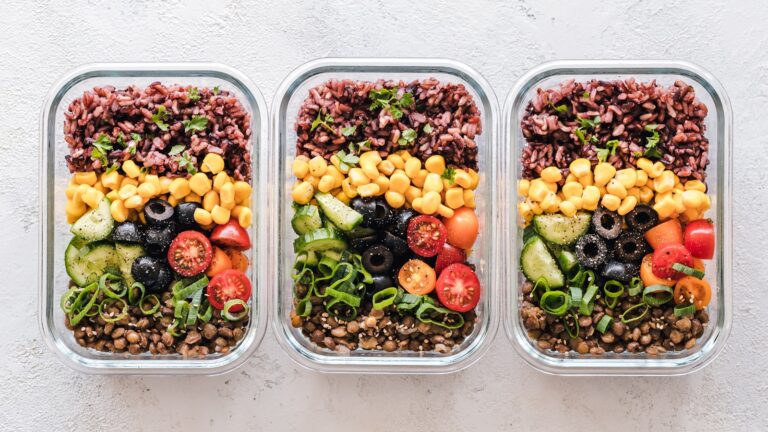
A practical anti-inflammatory meal-prep system built around flexible components, efficient batch cooking, safe storage, and mix-and-match meals that reduce weekday…
Read next
GLP-1 treatment and keto are not the same thing: one is medication therapy, the other a highly carbohydrate-restricted eating pattern.…
Read next
Wall Pilates is cheaper and easier to do at home, while Reformer Pilates offers more adjustable resistance and exercise variety.…
Read nextYes. Mediterranean-style eating can function as an anti-inflammatory dietary pattern because it emphasizes vegetables, fruit, legumes, whole grains, nuts, fish and unsaturated fats while limiting many highly processed foods. It should not be treated as a medical therapy for inflammatory disease.
The Mediterranean diet has the stronger and more standardized evidence base as a defined dietary pattern. The term anti-inflammatory diet covers several different approaches, so research under that label is less uniform.
Yes. A practical approach is to use Mediterranean-style principles as an evidence-based backbone and adapt the ingredients, flavors and protein choices to your culture, preferences, budget and dietary needs.
No. Extra-virgin olive oil is central to the traditional Mediterranean pattern and is a useful unsaturated-fat source, but a broader anti-inflammatory pattern can also include nuts, seeds, avocado, fish and other suitable unsaturated-fat sources.
Yes. Both can be adapted around legumes, soy foods, whole grains, vegetables, fruit, nuts and seeds. A fully plant-based version should still be planned to cover protein, vitamin B12, calcium, iron, iodine, vitamin D and omega-3 needs as appropriate.
No, not by default. Dairy and gluten do not need to be universally eliminated for anti-inflammatory eating. Restriction may be appropriate for diagnosed allergy, celiac disease, intolerance or another individualized medical reason.
The Mediterranean diet often gives beginners a clearer starting template because its food pattern is well defined. A broader anti-inflammatory framework offers more cultural and dietary flexibility. The best choice is the one you can understand, adapt and sustain.
The Mediterranean diet does not need to compete with an anti-inflammatory diet. It is one of the strongest evidence-based ways to put anti-inflammatory eating principles into practice; the broader framework simply gives you more room to adapt those principles to real life.