How This 7-Day Anti-Inflammatory Meal Plan Works
Instead of counting “anti-inflammatory points,” use a simple plate pattern. Aim to include a generous portion of vegetables or fruit, a fiber-rich carbohydrate such as oats, barley, brown rice, quinoa, beans, lentils, or another whole-grain staple, a satisfying protein source, and a source of unsaturated fat such as extra-virgin olive oil, nuts, seeds, avocado, or fish. Herbs, spices, tea, coffee, cocoa, berries, legumes, and many colorful plant foods add polyphenols and other compounds that are studied for their roles in overall diet quality.
You do not need every element at every meal. Breakfast may be oats with berries, yogurt and walnuts; lunch may be a bean-and-grain bowl; dinner may be salmon with roasted vegetables. What matters is what the week looks like as a whole.
- Use repetition on purpose. Cooking extra grains, beans, roasted vegetables, or protein once can save time later.
- Choose water as the default drink. Unsweetened tea or coffee can fit for many people, while sugar-sweetened beverages are best treated as occasional choices.
- Keep snacks optional. If you are hungry between meals, pair fiber-rich foods with protein or unsaturated fat.
- Make substitutions freely. A meal plan that fits your life is more useful than one you abandon because an ingredient is unavailable.
Before Day 1: Set Up the Week Without Overcomplicating It
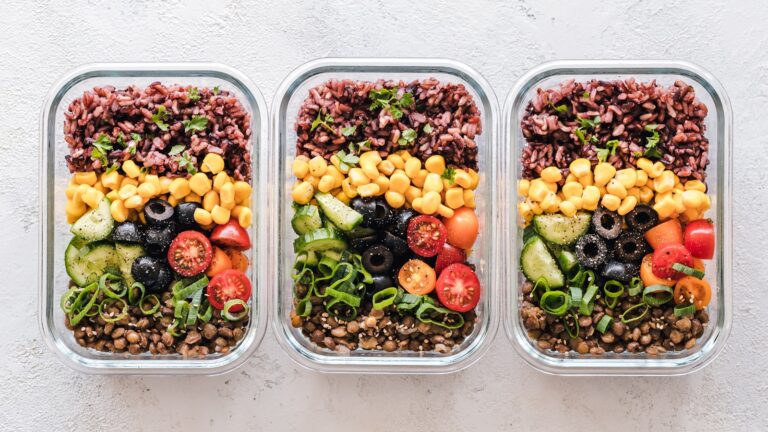
A short setup session can remove the biggest weekday friction. Pick one grain or legume to cook in a larger batch, prepare a tray of mixed vegetables, wash fruit, and choose one versatile protein. If you eat fish, plan it for a day when you can cook it fresh; if you prefer plant-based meals, beans, lentils, tofu, tempeh, or edamame can fill the protein role.
For example, cook brown rice or quinoa, roast broccoli, peppers, zucchini, and onions, make a lemon-herb vinaigrette, and prepare chickpeas or chicken. Keep washed berries, apples, carrots, nuts, seeds, hummus, and plain yogurt or a fortified unsweetened alternative available for quick breakfasts and snacks.
You do not need to prep every meal in advance. The separate meal-prep process is about batching, cooling, storing, and reheating safely; for this plan, the important step is simply having a few building blocks ready.
Days 1–2: Start With Familiar, High-Fiber Meals
Day 1
Breakfast: Oatmeal cooked with milk or an unsweetened fortified plant beverage, topped with blueberries, ground flaxseed, walnuts, and cinnamon. Add more oats, yogurt, or nuts if you need a larger breakfast.
Lunch: Chickpea-quinoa bowl with cucumber, tomatoes, leafy greens, herbs, and lemon-olive-oil dressing. Add feta if you enjoy dairy, or pumpkin seeds for a dairy-free option.
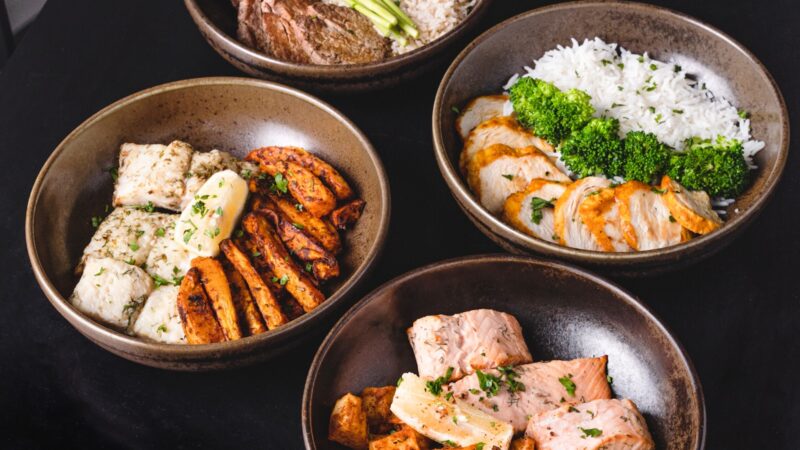
Dinner: Baked salmon, brown rice, and roasted broccoli with lemon and herbs. If you do not eat fish, use tofu, tempeh, or a lentil patty and add chia, flax, or walnuts elsewhere in the day.
Optional snack: An apple with peanut or almond butter.
Day 2
Breakfast: Plain yogurt or an unsweetened fortified alternative with oats, strawberries, chia seeds, and a small handful of nuts.
Lunch: Leftover salmon or tofu over greens with brown rice, roasted vegetables, avocado, and vinaigrette. Turning leftovers into a different format keeps the meal from feeling repeated.
Dinner: Lentil and vegetable soup with tomatoes, carrots, celery, leafy greens, herbs, and a slice of whole-grain bread. Finish with olive oil or serve with a side salad.
Optional snack: Carrots and bell pepper strips with hummus.
Days 3–5: Build Variety Without Creating More Work
Day 3
Breakfast: Whole-grain toast with avocado, an egg, tomatoes, and black pepper. Eggs can fit an anti-inflammatory eating pattern for many people; the overall meal and dietary pattern matter more than assigning a universal inflammatory label to eggs.
Lunch: Lentil soup with extra greens and a side of fruit.
Dinner: Sheet-pan chicken or tofu with cauliflower, sweet potato, red onion, and a turmeric-ginger spice blend. Serve with leftover quinoa or brown rice.
Optional snack: Pear slices with walnuts.
Day 4
Breakfast: Overnight oats with raspberries, chia seeds, plain yogurt or fortified plant yogurt, and cinnamon.
Lunch: Leftover sheet-pan vegetables and chicken or tofu in a grain bowl with greens and lemon-herb dressing.
Dinner: Black bean tacos in corn tortillas with cabbage, tomatoes, avocado, cilantro, lime, and a side of sautéed vegetables. Use plain yogurt instead of sour cream if desired, or skip dairy entirely.
Optional snack: Plain yogurt with berries, or soy yogurt with berries and pumpkin seeds.
Day 5
Breakfast: Vegetable scramble with eggs or tofu, spinach, mushrooms, onions, and whole-grain toast.
Lunch: Black bean and leftover vegetable salad with avocado, corn, greens, and lime-olive-oil dressing.
Dinner: Whole-grain pasta with tomatoes, garlic, spinach, white beans, herbs, and olive oil. Add a side salad and, if you like, a small amount of Parmesan.
Optional snack: Orange segments with pistachios or another unsalted nut.
Days 6–7: Finish the Week and Use What You Have
Day 6
Breakfast: Berry-spinach smoothie made with whole fruit, spinach, plain yogurt or unsweetened fortified plant milk, chia or flaxseed, and nut butter. Keep juice and sweeteners modest so the drink remains food-forward and satisfying.
Lunch: Leftover whole-grain pasta tossed with extra greens and beans, or served alongside a simple salad.
Dinner: Mediterranean-style baked fish or chickpeas with tomatoes, olives, herbs, and a large tray of mixed vegetables. Serve with barley, quinoa, or another grain already in the pantry.
Optional snack: Roasted chickpeas and a piece of fruit.
Day 7
Breakfast: “Use-what-you-have” oatmeal with remaining fruit, nuts, seeds, and spices.
Lunch: A fridge-reset bowl: leftover grain or legumes, remaining vegetables, greens, protein, and the last of your dressing or hummus. If the components do not work together, turn vegetables and beans into soup instead.
Dinner: Flexible vegetable-and-bean soup, frittata, tofu stir-fry, or sheet-pan meal built around what remains. The aim is to reduce waste rather than buy specialty ingredients just to complete a prescribed menu.
Optional snack: Fruit with nuts or vegetables with hummus.
How to Adjust Portions, Ingredients, and Meals
There is no single correct portion size for every adult. Appetite changes with body size, activity, sleep, health, and the rest of the day's food. If a meal leaves you hungry, add more vegetables, beans or whole grains, a larger serving of protein, or a source of unsaturated fat. If the meal feels too large, reduce portions without removing whole food groups by default.
Use substitution principles instead of hunting for exact replacements. Swap one whole grain for another, one bean for another, fish for tofu or legumes, dairy yogurt for a fortified unsweetened alternative, and fresh produce for frozen when needed. For gluten-free eating, choose naturally gluten-free grains such as brown rice, quinoa, or certified gluten-free oats if appropriate for your needs. For vegetarian eating, build meals around beans, lentils, soy foods, eggs, dairy if used, nuts, seeds, and whole grains.
Food intolerance is not the same as a diagnosed allergy. If a food repeatedly causes significant symptoms, do not use an internet meal plan to diagnose the cause; discuss persistent or severe symptoms with a qualified health professional.
Make the Week Work for Your Budget and Schedule
Anti-inflammatory eating does not require a cart full of premium berries, powders, or specialty oils. Frozen vegetables and fruit can reduce waste. Canned beans and lentils can make a fast meal when rinsed and combined with whole grains, vegetables, and a simple dressing. Oats, brown rice, seasonal produce, peanut butter, eggs, canned fish where appropriate, and basic herbs and spices can form the backbone of a lower-cost week.
If time is the bigger constraint, use a “one fresh, one frozen, one pantry” rule for dinner. For example, pair fresh greens with frozen mixed vegetables and canned chickpeas; or fresh tomatoes with frozen spinach and whole-grain pasta. You can also buy prewashed greens, pre-cut vegetables, canned beans, or plain cooked grains when convenience is what makes the plan realistic. The best convenience option is the one that helps you eat a balanced meal instead of skipping it.
Plan for disruption, too. Keep two emergency meals that require almost no cooking: whole-grain toast with nut butter and fruit; or canned beans with microwaveable brown rice, frozen vegetables, olive oil, and seasoning. A sustainable pattern includes imperfect days, restaurant meals, travel, celebrations, and nights when you do not want to cook.
After Day 7: Turn the Plan Into a Repeatable Routine
The most useful outcome of this week is not completing seven perfect days. It is identifying four or five meals that were easy enough to repeat. Keep two breakfasts, two lunches, two dinners, and a few snack combinations in rotation. Change produce with the season, alternate beans, fish, poultry, tofu, eggs, or other proteins, and use different herbs and spices so the pattern stays varied.
A practical weekly rhythm is simple: choose meals, make a grocery list, prepare a few components, then let leftovers do part of the work. You can deepen individual parts of the system—shopping, meal prep, breakfasts, snacks, beverages, omega-3 foods, and polyphenol-rich foods—without turning every meal into a nutrition project.
For a broader beginner-friendly foundation, see Mayobook's Anti-Inflammatory Diet for Beginners. For navigation into the wider health-and-fitness library around this Product, the server-governed Fitness, Weight Loss & Body Transformation topic hub is the appropriate Mayobook destination. These resources are educational and do not replace individualized medical nutrition care.
The best next step is modest: choose the three meals from this week you would genuinely eat again, put their ingredients on next week's list, and build from there. Consistency, variety, and a generally high-quality dietary pattern matter more than chasing a flawless “anti-inflammatory” day.