
Anti-Inflammatory Diet Grocery List: What to Buy by Store Section
A practical anti-inflammatory grocery list organized by store section, with affordable staples, flexible substitutions, and label-reading guidance for building a balanced cart without chasing specialty foods.
Keep Learning—Listen Free
Short, practical audiobooks for your next step.

Imposter Syndrome: Why Success Still Makes You Feel Like a Fraud | Full Audiobook
Imposter syndrome can make real success feel undeserved and every new achievement…

How to Stop Catastrophizing: Break the Worst-Case Thinking Loop | Full Audiobook
Learn how to stop catastrophizing and break the worst-case thinking loop that…

Emotionally Immature Parents: How Their Patterns Shape Your Adult Life | Full Audiobook
Emotionally immature parents can shape adult relationships, boundaries, self-worth and the way…

High-Functioning Anxiety: Why You Look Fine but Never Feel at Peace | Full Audiobook
High-functioning anxiety can make you look calm, capable and successful while constant…

The Art of War Explained: Sun Tzu’s Strategy for Winning Without Fighting | Full Audiobook
The Art of War, Sun Tzu, Art of War explained, strategy, winning…

Arthur Schopenhauer: Why You’re Never Satisfied — The Psychology of Desire | Full Audiobook
Arthur Schopenhauer, Schopenhauer philosophy, the psychology of desire, hedonic adaptation, the hedonic…

Friedrich Nietzsche: What “God Is Dead” Really Means — And How to Create Meaning | Full Audiobook
Friedrich Nietzsche, “God is dead,” Nietzsche philosophy, nihilism, existentialism, the meaning of…

High Agency: How to Become the Person Who Always Finds a Way | Full Audiobook
High agency is the psychology of becoming resourceful, taking initiative, and creating…

How to Find Your Purpose When You Feel Lost: Build a Life That Actually Means Something
Learn how to find your purpose when you feel lost, discover what…
The simplest anti-inflammatory grocery list is not a catalog of rare “superfoods.” It is a cart built around vegetables and fruit, whole grains or legumes, quality protein, nuts and seeds, and mostly unsaturated fats, with convenient foods chosen thoughtfully. Current evidence-based guidance from major health institutions emphasizes the overall dietary pattern rather than any single ingredient.
Use this list as a flexible shopping framework. Fresh, frozen, canned, dried, and lightly processed foods can all play a role. Choose what fits your budget, culture, household size, allergies, and cooking time.
The Simplest Way to Shop for an Anti-Inflammatory Diet
Before you enter the store, think in meal components. Aim to leave with produce for several meals, one or two fiber-rich carbohydrate staples, two or three protein options, a few healthy-fat and flavor-building ingredients, and quick foods for breakfast or snacks. You do not need to buy every item below.
- Produce: several vegetables plus two or three fruits.
- Fiber-rich staples: oats, brown rice, barley, quinoa, beans, lentils, or whole-grain bread.
- Protein: fish, legumes, tofu, eggs, poultry, plain yogurt, or other foods that fit your diet.
- Unsaturated fats: olive oil, nuts, seeds, avocado, or nut butter.
- Flavor: herbs, spices, garlic, onions, citrus, vinegar, and low-added-sugar sauces.
Produce: Build the Cart Around Color and Variety
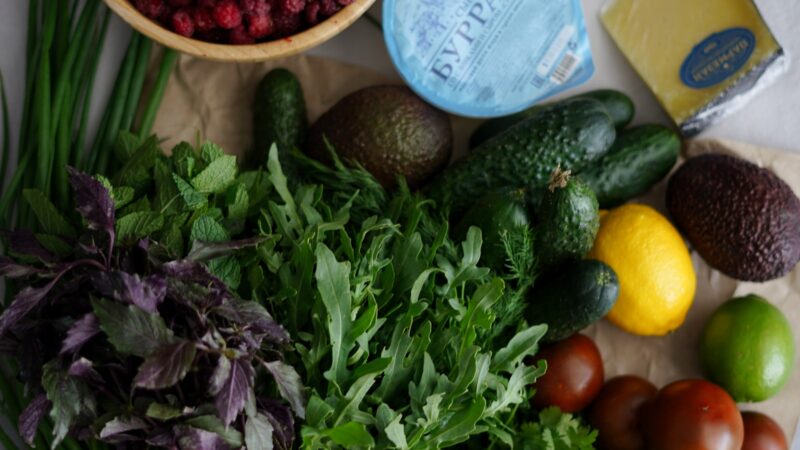
Start in produce because vegetables and fruit can anchor almost every meal. Choose a mix rather than trying to identify the “most anti-inflammatory” item.
- Leafy greens such as spinach, kale, romaine, collards, or mixed greens.
- Cruciferous vegetables such as broccoli, cauliflower, cabbage, and Brussels sprouts.
- Colorful vegetables such as peppers, tomatoes, carrots, sweet potatoes, squash, and beets.
- Berries, citrus, apples, pears, grapes, stone fruit, or whatever fruit is affordable and in season.
- Garlic, onions, fresh herbs, ginger, and other flavor builders you actually use.
Frozen vegetables and fruit are useful when fresh produce is expensive or likely to spoil. Plain frozen berries, spinach, broccoli, mixed vegetables, and edamame can make weeknight meals much easier.
Whole Grains, Beans, and Other Fiber-Rich Staples
Fiber-rich carbohydrates support a plant-forward eating pattern and help meals feel substantial. Keep two or three dependable staples rather than buying a different grain for every recipe.
- Old-fashioned or steel-cut oats.
- Brown rice, barley, quinoa, farro, or another whole grain you enjoy.
- Whole-grain bread, tortillas, or pasta.
- Black beans, chickpeas, kidney beans, white beans, or lentils.
- Canned beans with little or no added salt when available, or simply rinse regular canned beans.
When comparing packaged grain foods, look for whole grains high on the ingredient list and choose options that provide useful fiber. There is no need to reject every refined food; the goal is to make less-refined, higher-fiber choices more common.
Protein Foods: Fish, Poultry, Eggs, Legumes, and More
Protein can come from both plant and animal foods. Fatty fish such as salmon, sardines, trout, or mackerel provide EPA and DHA omega-3 fats. Beans, lentils, tofu, tempeh, and edamame are versatile plant proteins. Eggs and poultry can also fit a balanced anti-inflammatory pattern for many people.
If cost is a priority, dried or canned beans, lentils, eggs, canned salmon or sardines, and tofu can stretch the budget. You do not need fish at every meal, and no single protein is mandatory.
Healthy Fats, Nuts, Seeds, Herbs, and Flavor Builders
Keep at least one cooking oil and two or three shelf-stable flavor boosters on hand. Extra-virgin olive oil is a practical choice with a strong place in Mediterranean-style eating patterns. Nuts and seeds add unsaturated fats, fiber, minerals, and plant compounds.
- Extra-virgin olive oil.
- Walnuts, almonds, pistachios, peanuts, or mixed nuts.
- Ground flaxseed, chia seeds, pumpkin seeds, or sunflower seeds.
- Natural peanut or almond butter.
- Dried herbs and spices such as cinnamon, turmeric, cumin, paprika, oregano, or black pepper.
- Vinegar, lemons, limes, mustard, tahini, or hummus for fast dressings and sauces.
Foods such as berries, tea, coffee, cocoa, herbs, spices, legumes, and olive oil contain different polyphenols. It is more useful to eat a varied plant-rich pattern than to chase one compound or supplement.
Dairy, Fermented Foods, and Plant-Based Alternatives
Dairy does not need to be automatically excluded. Plain yogurt, kefir, milk, and modest portions of cheese can fit for many people. If you prefer plant-based alternatives, compare products rather than assuming all are nutritionally equivalent.
For plant milks or yogurts, look for unsweetened options and check whether they are fortified with nutrients such as calcium and vitamin D. Protein content varies widely. People with milk allergy or significant intolerance need a different approach from people who simply prefer not to eat dairy.
Packaged Foods: What to Check on the Label
Convenience foods can make a healthy pattern more sustainable. A useful label check is brief: look at added sugars, sodium when relevant to your health needs, fiber, protein, whole-grain content, and the overall ingredient list. A frozen meal with vegetables, whole grains, and a reasonable protein source may be more useful on a busy night than an aspirational recipe you do not have time to cook.
Foods worth buying less often include sugar-sweetened beverages, heavily sweetened breakfast foods, highly refined snack foods that displace more nourishing choices, and processed meats. This is about frequency and pattern, not declaring foods morally “good” or “bad.”
A Fast Store-by-Store Checklist to Save on Your Phone
- Produce: greens, broccoli or cabbage, peppers or tomatoes, carrots or sweet potatoes, berries or other fruit, onions, garlic, herbs, citrus.
- Grains and legumes: oats, brown rice or quinoa, whole-grain bread or pasta, beans, lentils, chickpeas.
- Protein: salmon or other fish, tofu or tempeh, eggs, poultry, beans, plain yogurt or a suitable alternative.
- Healthy fats: olive oil, nuts, seeds, avocado, nut butter.
- Frozen: plain vegetables, berries, edamame, whole-grain or vegetable-based convenience components.
- Pantry: herbs, spices, canned tomatoes, low-added-sugar sauces, vinegar, tahini, hummus ingredients.
- Drinks: water or sparkling water, unsweetened tea, and coffee if it suits you.
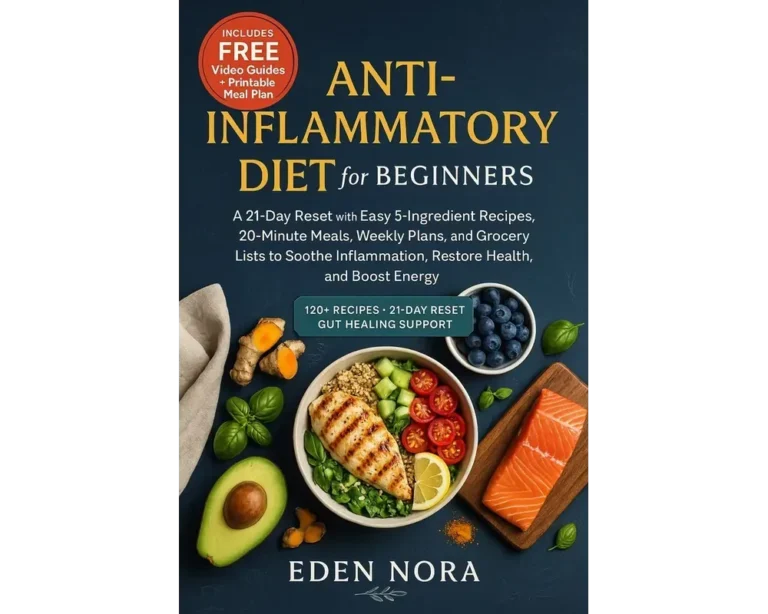
For a broader beginner foundation behind these choices, Mayobook's Anti-Inflammatory Diet for Beginners is the canonical Source Product. The server-governed Fitness, Weight Loss & Body Transformation topic hub is the appropriate route into related Mayobook material.
Once the cart is built, keep implementation simple: choose a few meals, cook one or two flexible components, and repeat what works. A grocery list earns its value by making the next meal easier, not by being exhaustive.
Want the complete system?
Explore the full book for a deeper, structured guide.
Anti-inflammatory Diet for Beginners
The Anti-Inflammatory Diet for Beginners is a complete 21-day plan with 120+ quick, 5-ingredient recipes, grocery lists, lifestyle tips, and free weekly video guides.…
View the BookMore in Weight Loss & Detox
View category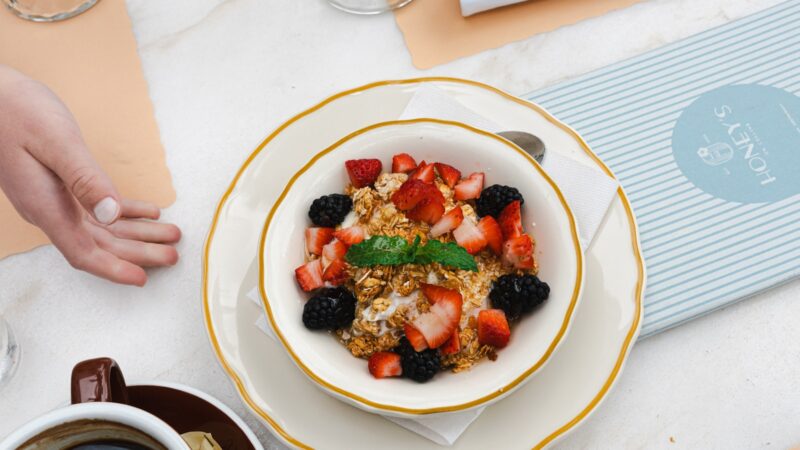
Anti-Inflammatory Breakfast Ideas: Quick, Balanced Ways to Start the Day
Quick anti-inflammatory breakfast ideas built around protein, fiber-rich foods, unsaturated fats, and colorful plant foods, with no-cook, warm, savory, make-ahead, and adaptable options.
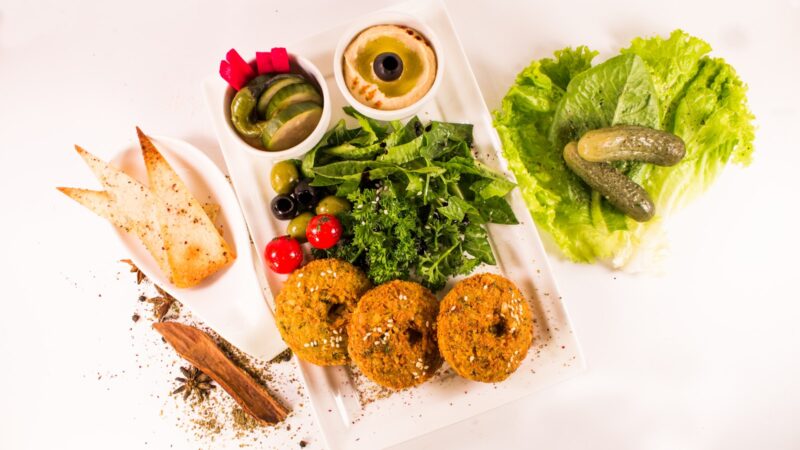
Anti-Inflammatory Snacks: Quick, Satisfying Ideas for Busy Days
Quick anti-inflammatory snack ideas that pair fiber-rich foods with protein or unsaturated fats, including zero-prep, portable, higher-protein, sweet, and packaged options for busy days.
Keep exploring

Fitness, Weight Loss & Body Transformation
See the wider Mayobook topic hub with guides, answers, comparisons, and books.
Explore the topic
Anti-Inflammatory Meal Prep: A Practical Make-Ahead System for the Week
Go deeper with a longer structured guide connected to this topic.
View guide