
Anti-Inflammatory Snacks: Quick, Satisfying Ideas for Busy Days
Quick anti-inflammatory snack ideas that pair fiber-rich foods with protein or unsaturated fats, including zero-prep, portable, higher-protein, sweet, and packaged options for busy days.
Keep Learning—Listen Free
Short, practical audiobooks for your next step.

Avoidant Attachment: Why Avoidants Pull Away When You Get Close | Full Audiobook
Understand avoidant attachment and why avoidants pull away when relationships get close,…

Attachment Styles Explained: Anxious vs Avoidant & How to Become Secure | Full Audiobook
Understand attachment styles and learn how anxious attachment, avoidant attachment and secure…

Insulin Resistance Explained: Blood Sugar, Insulin Sensitivity & Metabolic Health | Full Audiobook
Learn what insulin resistance really is and how blood sugar, insulin sensitivity,…

Gut Health: How Your Microbiome, Probiotics & Gut-Brain Connection Really Work | Full Audiobook
Learn gut health through the science of the gut microbiome, probiotics, prebiotics,…

Psychology of Resilience: Building Resilience & Mental Toughness | Full Audiobook
Learn the psychology of resilience and how to build resilience, mental toughness,…

Deep Focus: How to Focus, Improve Concentration & Reclaim Your Attention | Full Audiobook
Deep focus is a trainable skill. This full audiobook explains how to…

Emotional Maturity: The Missing Key to Self Improvement & Personal Growth | Full Audiobook
Learn emotional maturity and build lasting self improvement, personal growth, and self…

Psychology of Discipline: How to Build Discipline & a Success Mindset | Full Audiobook
Discover the psychology of discipline and learn how to build discipline, self-discipline,…

Stoic Mindset: Practical Stoicism & Stoic Wisdom for Mental Strength | Full Audiobook
Stoic mindset is about learning what is truly yours to control—and releasing…
A useful snack should solve a practical problem: you are hungry, your next meal is still a while away, and you need something easy. For an anti-inflammatory eating pattern, the most reliable formula is a fiber-rich plant food paired with protein and/or an unsaturated fat. Think fruit plus nuts, vegetables plus hummus, or plain yogurt plus berries and seeds.
Snacks are optional. If your meals keep you satisfied, you do not need to add them simply because a plan says so. When you are hungry, however, a balanced snack can be more satisfying than grazing on highly refined foods that provide little fiber or protein.
What Makes a Snack Satisfying and Anti-Inflammatory?
Start with produce or another fiber-rich food, then add protein or healthy fat. This simple pairing slows down the “grab anything” decision and creates many combinations without a recipe.
- Apple + peanut butter
- Berries + plain yogurt + walnuts
- Carrots + hummus
- Whole-grain crackers + tuna, salmon, or bean spread
- Pear + pistachios
- Edamame + fruit
- Roasted chickpeas + an orange
No single snack treats inflammation. The value comes from fitting these choices into a broader dietary pattern rich in vegetables, fruit, legumes, whole grains, nuts, seeds, quality protein, and unsaturated fats.
Zero-Prep and 5-Minute Snack Ideas
Busy days call for combinations that require almost no cooking. Keep a few dependable foods where you can see them.
- Banana with peanut or almond butter.
- Plain Greek yogurt or fortified soy yogurt with berries and chia seeds.
- Baby carrots, cucumber, or peppers with hummus.
- Apple slices with walnuts or pumpkin seeds.
- Whole-grain toast with avocado and hemp or sesame seeds.
- Unsweetened applesauce with walnuts and cinnamon.
- A small bowl of edamame with fruit.
If cost matters, peanuts, peanut butter, seasonal fruit, carrots, canned chickpeas, oats, and homemade popcorn can be much more economical than specialty snack bars or wellness products.
Portable Snacks for Work, School, and Travel
Portable snacks work best when they are sturdy, easy to portion, and safe for the amount of time they will be out of refrigeration.
- Unsalted or lightly salted mixed nuts and seeds.
- Whole fruit such as apples, oranges, pears, or bananas.
- Roasted chickpeas or broad beans.
- Whole-grain crackers with single-serve nut butter.
- Homemade trail mix with nuts, seeds, oats, and a modest amount of dried fruit.
- Plain popcorn with herbs or spices.
Yogurt, eggs, hummus, cheese, fish, and other perishable foods need appropriate temperature control. Use an insulated lunch bag and ice pack when necessary, and follow current local food-safety guidance rather than assuming a refrigerated food is safe indefinitely at room temperature.
Higher-Protein Snack Combinations
Some people prefer more protein between meals, especially after activity or when the interval between meals is long. You do not need a protein supplement to achieve this.
- Plain yogurt with berries and ground flaxseed.
- Two eggs with tomatoes or fruit.
- Edamame with sliced peppers.
- Hummus with vegetables and whole-grain crackers.
- Bean dip with vegetables or a small whole-grain pita.
- Canned salmon or tuna with whole-grain crackers and cucumber.
- Tofu cubes with a light sesame-ginger dressing.
Protein needs vary, so the goal is not to make every snack “high protein.” A small fruit-and-nut snack may be entirely adequate if dinner is soon.
Sweet Snacks Without Making Added Sugar the Main Ingredient
A sweet snack can fit the pattern without tasting like diet food. Use naturally sweet fruit as the base and build around it.
- Berries with plain yogurt and cocoa nibs or a small amount of dark chocolate.
- Baked apple with cinnamon, oats, and walnuts.
- Dates stuffed with peanut butter and sprinkled with seeds.
- Banana slices with tahini or nut butter and cinnamon.
- Frozen berries with yogurt or an unsweetened fortified alternative.
Whole fruit contains naturally occurring sugars along with fiber, water, and micronutrients. That is different nutritionally from a snack in which added sugar is one of the main ingredients. You do not need to fear sweetness; simply avoid letting highly sweetened foods crowd out more nourishing choices most of the time.
How to Choose Packaged Snacks
Packaged snacks can be useful. Read labels with context rather than searching for a perfect product.
- Look for meaningful fiber or protein when the snack is supposed to be filling.
- Compare added sugar across similar products.
- Consider sodium if it matters to your health needs.
- Notice whether the food is mostly whole grains, nuts, seeds, legumes, or fruit versus refined starches and sweeteners.
- Check portions, especially for calorie-dense nuts, trail mixes, and bars—not because they are “bad,” but because small packages can contain multiple servings.
A simple nut-and-fruit snack may be cheaper and more satisfying than a heavily marketed “anti-inflammatory” bar. Convenience is valuable, but the health claim on the front of the package is less important than the actual food inside.
Choose Snacks That Fit Your Body and Routine
A food can be nutritious and still not work for you. Milk allergy, lactose intolerance, nut allergy, celiac disease, digestive conditions, medication interactions, and personal preferences can all change the best snack choice. Individual discomfort does not automatically prove a food is inflammatory for everyone.
If dairy is well tolerated, plain yogurt or kefir can fit. If not, choose a fortified unsweetened alternative and check protein, calcium, vitamin D, and added sugar. If nuts are unsafe, seeds, legumes, dairy or suitable alternatives, eggs, or other protein sources can fill the same practical role.
Build a Small Snack System Instead of a Huge List
Choose three categories to keep stocked: one fresh option, one refrigerated option, and one shelf-stable option. For example, apples and peanut butter; yogurt and berries; and roasted chickpeas. That is enough to cover most ordinary snack situations without filling the pantry with products you may not eat.
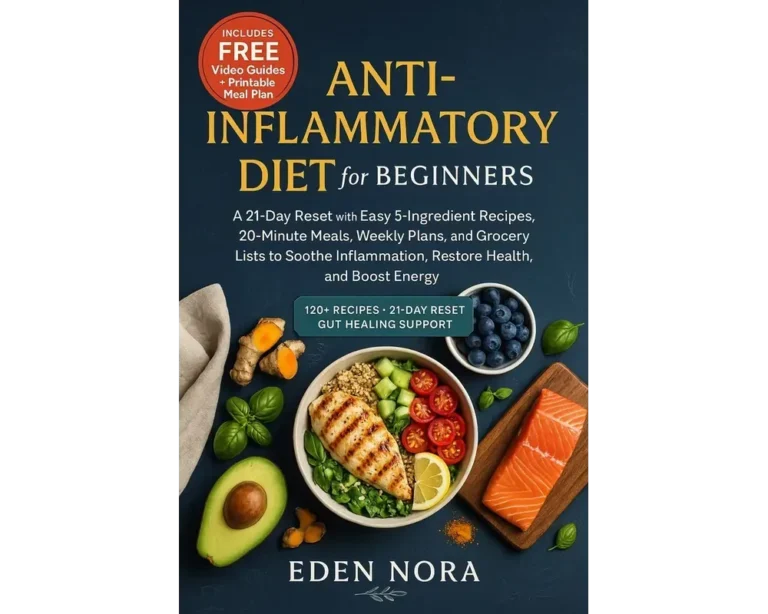
For the broader eating pattern behind these choices, Mayobook's Anti-Inflammatory Diet for Beginners is the canonical Source Product. The server-governed Fitness, Weight Loss & Body Transformation topic hub is the appropriate Mayobook route to related material.
The best snack is not the one with the most impressive wellness label. It is one that fits your hunger, travels when needed, is safe for your dietary needs, and helps your overall eating pattern stay balanced and sustainable.
Want the complete system?
Explore the full book for a deeper, structured guide.
Anti-inflammatory Diet for Beginners
The Anti-Inflammatory Diet for Beginners: Reset Your Body, Calm the Fire, and Reclaim Your Health Naturally Are you tired of living with joint pain,…
View the BookMore in Weight Loss & Detox
View category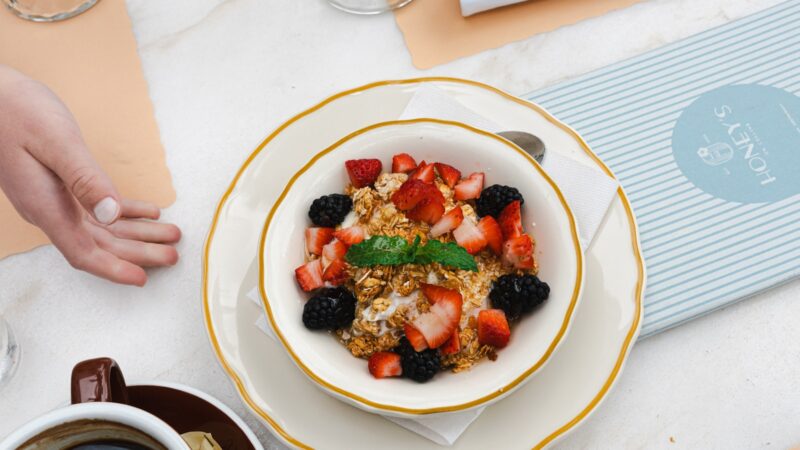
Anti-Inflammatory Breakfast Ideas: Quick, Balanced Ways to Start the Day
Quick anti-inflammatory breakfast ideas built around protein, fiber-rich foods, unsaturated fats, and colorful plant foods, with no-cook, warm, savory, make-ahead, and adaptable options.
Keep exploring

Fitness, Weight Loss & Body Transformation
See the wider Mayobook topic hub with guides, answers, comparisons, and books.
Explore the topic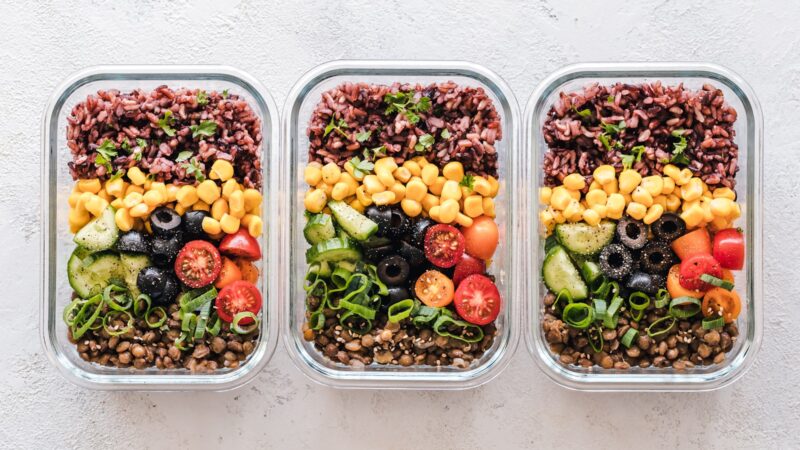
Anti-Inflammatory Meal Prep: A Practical Make-Ahead System for the Week
Go deeper with a longer structured guide connected to this topic.
View guide