
Anti-Inflammatory Drinks: What to Choose—and What to Skip
An evidence-aware guide to anti-inflammatory drinks, centered on hydration and practical choices for tea, coffee, smoothies, dairy or plant alternatives, sugary beverages, and alcohol.

Keep Learning—Listen Free
Short, practical audiobooks for your next step.

How to Sleep Better: Insomnia, Deep Sleep & Falling Asleep Faster | Full Audiobook
How to sleep better, manage insomnia, get more deep sleep, and fall…

Psychology of Leadership: Leadership Skills, Influence & Communication | Full Audiobook
Psychology of leadership, leadership skills, influence, communication skills, and workplace psychology explained…

Carl Jung Psychology & Shadow Work: Understand Your Unconscious Mind | Full Audiobook
Carl Jung psychology and shadow work explained in a deep full audiobook…

How to Lower Cortisol Naturally: High Cortisol Symptoms & Cortisol Belly | Full Audiobook
How to lower cortisol naturally, understand high cortisol symptoms, reduce chronic stress,…

How to Simplify Your Life: Minimalism, Simple Living & Decluttering | Full Audiobook
How to simplify your life with minimalism, simple living and decluttering —…

How to Overcome Social Anxiety: Stop Overthinking & Build Social Confidence | Full Audiobook
How to overcome social anxiety, stop overthinking conversations, overcome fear of judgment,…

How to Focus Under Pressure: Discipline, Mental Strength & Success Mindset | Full Audiobook
How to focus under pressure, build discipline, develop mental strength, and create…

How to Focus & Build Self-Discipline: Train Your Brain to Ignore Distractions | Full Audiobook
Learn how to focus, build self-discipline, improve concentration, and train your brain…

Avoidant Attachment: Why Avoidants Pull Away When You Get Close | Full Audiobook
Understand avoidant attachment and why avoidants pull away when relationships get close,…
The best anti-inflammatory drink is not a miracle tonic. It is usually the beverage that keeps you hydrated without adding large amounts of sugar or displacing nutritious foods. For most people, water should do most of the work, while unsweetened tea, coffee, milk or suitable fortified alternatives, and food-forward smoothies can fit around it.
No drink can treat chronic inflammation by itself, and beverages should be judged as part of the overall dietary pattern. Caffeine tolerance, medications, pregnancy, digestive symptoms, alcohol use, allergies, and individual health needs can change what is appropriate.
Start With Hydration, Not a Miracle Drink
Water is the simplest default because it hydrates without sugar, calories, caffeine, or a health halo. Sparkling water can be equally practical if unsweetened. If plain water feels boring, add citrus, cucumber, berries, mint, or another flavor you enjoy.
A useful beverage hierarchy is straightforward: water most often; unsweetened tea or coffee and nutrient-containing beverages as optional choices; heavily sweetened drinks less often.
Tea and Coffee: Useful Compounds, Real-World Caveats
Coffee and tea contain polyphenols and other bioactive compounds that are studied for possible effects on inflammatory pathways. That makes them reasonable parts of an anti-inflammatory eating pattern for many adults, but it does not make either beverage a treatment.
Preparation matters. Black coffee and unsweetened tea are very different nutritionally from drinks built around syrups, whipped toppings, sweetened creamers, or large amounts of sugar. If you enjoy a sweetened beverage, reducing sweetness gradually can preserve enjoyment without requiring an all-or-nothing rule.
Caffeine also affects people differently. Sleep disruption, anxiety symptoms, reflux, heart rhythm concerns, pregnancy guidance, and medication interactions may be reasons to adjust timing or intake. Decaffeinated coffee and herbal teas can provide alternatives.
Smoothies: Helpful When They Stay Food-Forward
A smoothie can be a practical meal or snack when it contains whole-food components instead of functioning mainly as liquid sugar. Start with whole fruit and/or vegetables, add a protein source, and include nuts, seeds, or another source of unsaturated fat where appropriate.
For example, blend berries, spinach, plain yogurt or fortified soy milk, chia or ground flaxseed, and nut butter. Using whole fruit preserves more fiber than relying mainly on juice. Sweeteners are optional rather than required.
A smoothie marketed as a “detox” is not necessary. Your liver and kidneys already perform detoxification functions; the useful role of a smoothie is simply to make nutritious foods convenient.
Milk, Kefir, and Plant-Based Alternatives
Dairy beverages can fit an anti-inflammatory pattern for many people. Plain milk and kefir provide protein and micronutrients, while fermented dairy foods may also provide live cultures depending on the product. Dairy is not universally inflammatory.
If you prefer plant-based options, compare labels. Protein varies substantially, and calcium, vitamin D, vitamin B12, and other nutrients may depend on fortification. Unsweetened fortified soy milk is one option with meaningful protein, but other products can fit depending on your diet.
Milk allergy, lactose intolerance, and personal preference are different situations. Someone with a diagnosed milk allergy requires strict avoidance, while a person with lactose intolerance may tolerate certain amounts or lactose-free products.
Sugary Drinks: The Clearest Place to Cut Back
Sugar-sweetened beverages are among the most practical targets to reduce because they can deliver large amounts of added sugar without much fullness. Soda, sweet tea, energy drinks, fruit drinks, and specialty coffee beverages can become significant sources when consumed frequently.
Useful swaps include sparkling water, unsweetened iced tea, water with citrus, or coffee with less syrup or sugar. If you drink juice, consider it a beverage rather than a replacement for whole fruit, which provides more fiber and tends to be more filling.
What About Alcohol?
Alcohol should not be presented as an anti-inflammatory strategy. If you do not drink, there is no health reason to start for this purpose. For people who do drink, less is generally safer than more, and individual circumstances matter.
Pregnancy, liver disease, certain medications, a history of alcohol-use disorder, and many medical conditions can make alcohol inappropriate. If alcohol is difficult to control or creates harm, seek qualified support rather than trying to fit it into a wellness plan.
A Simple Daily Beverage Plan
You do not need a complicated schedule. A practical day might look like this:
- Start with water when you wake or with breakfast if that is comfortable.
- Choose coffee or tea if you enjoy it and tolerate caffeine.
- Drink water with meals and between meals according to thirst and activity.
- Use milk, kefir, fortified plant milk, or a balanced smoothie when it genuinely contributes nutrition rather than simply adding another beverage.
- Keep sugar-sweetened drinks occasional instead of automatic.
People who exercise heavily, work in heat, are pregnant, are older, or have medical conditions may have different hydration needs. Fluid recommendations can also change in heart, kidney, or other conditions, so individualized medical advice may be necessary.
Choose Drinks That Support the Rest of the Diet
The strongest beverage strategy is the least dramatic one: hydrate reliably, enjoy unsweetened or lightly sweetened drinks you tolerate, and avoid expecting beverages to compensate for an otherwise poor diet.
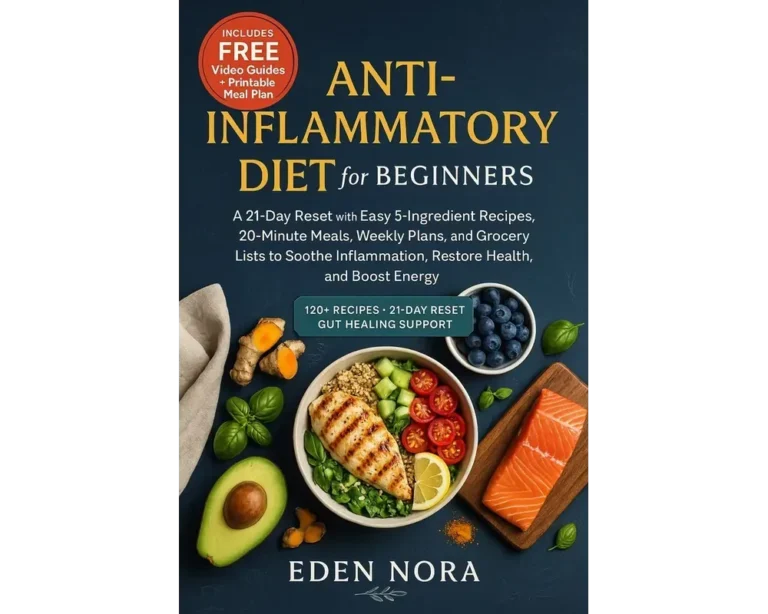
For a broader beginner framework, Mayobook's Anti-Inflammatory Diet for Beginners is the canonical Source Product. The server-governed Fitness, Weight Loss & Body Transformation topic hub provides the appropriate Mayobook navigation route for related content.
Water first, useful beverages second, heavily sweetened drinks less often: that simple pattern is more sustainable than chasing a new “anti-inflammatory drink” every week.
Want the complete system?
Explore the full book for a deeper, structured guide.
Anti-inflammatory Diet for Beginners
The Anti-Inflammatory Diet for Beginners: Reset Your Body, Calm the Fire, and Reclaim Your Health Naturally Are you tired of living with joint pain,…
View the BookMore in Weight Loss & Detox
View category
Anti-Inflammatory Breakfast Ideas: Quick, Balanced Ways to Start the Day
Quick anti-inflammatory breakfast ideas built around protein, fiber-rich foods, unsaturated fats, and colorful plant foods, with no-cook, warm, savory, make-ahead, and adaptable options.
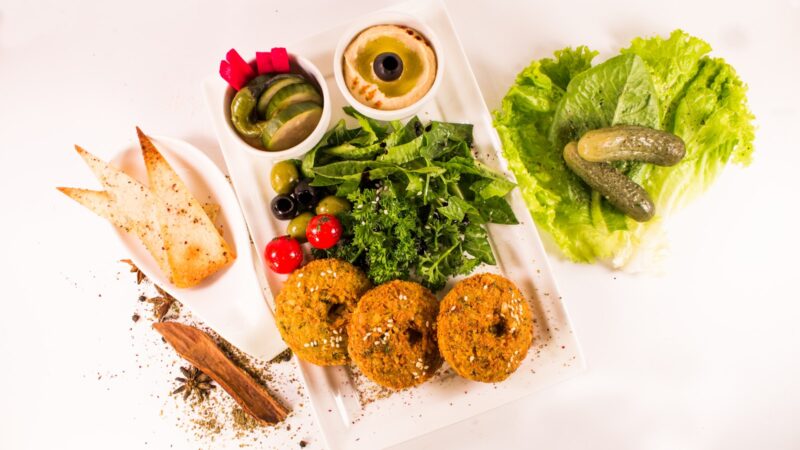
Anti-Inflammatory Snacks: Quick, Satisfying Ideas for Busy Days
Quick anti-inflammatory snack ideas that pair fiber-rich foods with protein or unsaturated fats, including zero-prep, portable, higher-protein, sweet, and packaged options for busy days.
Keep exploring

Fitness, Weight Loss & Body Transformation
See the wider Mayobook topic hub with guides, answers, comparisons, and books.
Explore the topic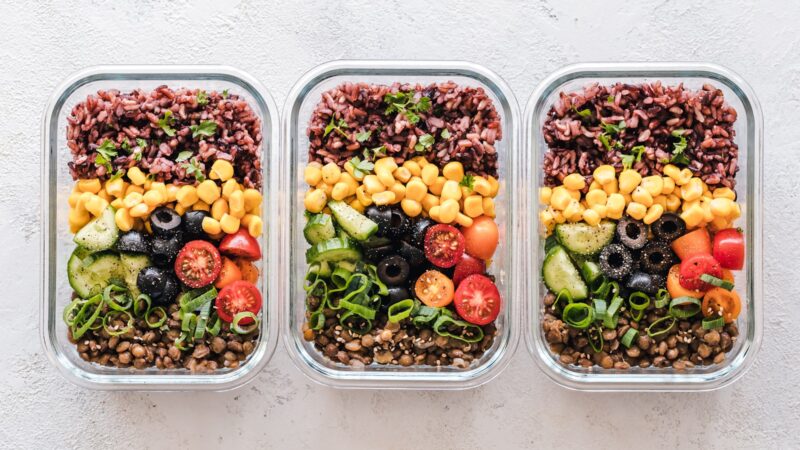
Anti-Inflammatory Meal Prep: A Practical Make-Ahead System for the Week
Go deeper with a longer structured guide connected to this topic.
View guide