
High-Protein GLP-1 Desserts: Portion-Smart Recipes With Less Added Sugar
High-protein GLP-1 dessert recipes that stay recognizably dessert: smaller servings, useful protein from yogurt, cottage cheese, eggs, soy or powder, and practical lower-added-sugar options without diet-culture hype.
Keep Learning—Listen Free
Short, practical audiobooks for your next step.

Perimenopause Symptoms: Hormones, Weight Gain, Sleep & Brain Fog | Full Audiobook
Perimenopause symptoms, hormones, weight gain, sleep problems, and brain fog are explained…

Investing for Beginners: Stock Market, Index Funds & Building Wealth | Full Audiobook
Investing for beginners, stock market basics, index funds, ETFs, diversification, compound growth,…

Personal Finance for Beginners: Budgeting, Money Management & Financial Literacy | Full Audiobook
Personal finance for beginners, budgeting, money management, and financial literacy explained in…

Time Management: How to Stop Procrastinating & Be More Productive | Full Audiobook
Time management, how to stop procrastinating, and how to be more productive…

How to Sleep Better: Insomnia, Deep Sleep & Falling Asleep Faster | Full Audiobook
How to sleep better, manage insomnia, get more deep sleep, and fall…

Psychology of Leadership: Leadership Skills, Influence & Communication | Full Audiobook
Psychology of leadership, leadership skills, influence, communication skills, and workplace psychology explained…

Carl Jung Psychology & Shadow Work: Understand Your Unconscious Mind | Full Audiobook
Carl Jung psychology and shadow work explained in a deep full audiobook…

How to Lower Cortisol Naturally: High Cortisol Symptoms & Cortisol Belly | Full Audiobook
How to lower cortisol naturally, understand high cortisol symptoms, reduce chronic stress,…

How to Simplify Your Life: Minimalism, Simple Living & Decluttering | Full Audiobook
How to simplify your life with minimalism, simple living and decluttering —…
High-protein desserts can be useful when you want something sweet that also contributes protein, but “protein dessert” should not become a nutrition halo. Portion size, ingredients, added sugar, total energy and how the food fits your day still matter.
For readers using GLP-1 medications, smaller servings may be more practical than dense restaurant-size desserts. The point is not to turn every treat into a supplement; it is to create genuinely enjoyable options that fit a smaller appetite.
Can Dessert Fit a High-Protein GLP-1 Eating Pattern?
Yes. Dessert can fit without being labeled “good” or “bad.” A protein-forward dessert is simply a sweet dish where ingredients such as Greek yogurt, cottage cheese, eggs, soy or protein powder make a meaningful contribution. If you want broader context on protein, see Mayobook’s Protein on GLP-1 reference; for serving-size context, see the GLP-1 portion-size reference.
The Protein-Dessert Building Blocks: Yogurt, Cottage Cheese, Eggs, Soy and Protein Powder
| Ingredient | Best use | Practical note |
|---|---|---|
| Greek yogurt | Parfaits, puddings, frozen bark | Plain yogurt gives you more control over sweetness |
| Cottage cheese | Blended mousse, cheesecake cups, frozen desserts | Blend thoroughly for a smooth texture |
| Eggs | Custards, baked cheesecake, small muffins | Contribute structure as well as protein |
| Silken tofu | Chocolate mousse, blended puddings | Neutral flavor when paired with cocoa or vanilla |
| Protein powder | Puddings, small-batch bakes | Can dry baked goods; use modest amounts |
Cold and Creamy High-Protein Desserts
Berry Cheesecake Yogurt Cup
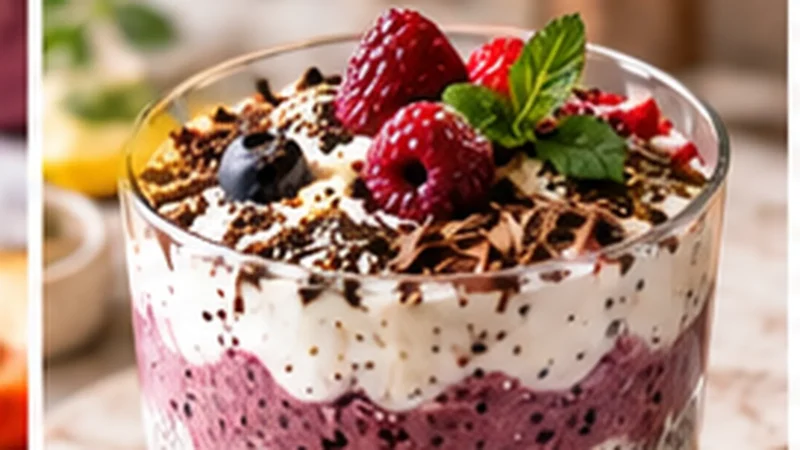
Mix 3/4 cup plain Greek yogurt with 1 tablespoon softened cream cheese, vanilla and a small amount of maple syrup or preferred sweetener. Top with 1/3 cup berries and 1 tablespoon crushed whole-grain cereal or graham crumbs. This gives cheesecake flavor without a large slice.
Chocolate Cottage Cheese Mousse
Blend 3/4 cup cottage cheese, 1 tablespoon cocoa, vanilla and enough milk to make it silky. Sweeten lightly to taste. Chill for 30 minutes. If cottage-cheese flavor is noticeable, add cinnamon or espresso powder.
Silken Tofu Chocolate Pudding
Blend 6 ounces silken tofu with cocoa, vanilla and a small amount of melted dark chocolate. Portion into two small cups. This is a useful dairy-free protein dessert.
Frozen Berry Yogurt Bark
Spread 1 cup Greek yogurt thinly on a parchment-lined tray. Swirl in mashed berries and sprinkle with chopped pistachios or pumpkin seeds. Freeze until firm and break into small pieces. Let a piece soften briefly before eating if very cold foods are uncomfortable.
Baked High-Protein Desserts in Smaller Portions
Mini Yogurt Cheesecake Cups
Whisk 1 cup Greek yogurt, 4 ounces cream cheese, 1 egg, vanilla and 1–2 tablespoons sugar or maple syrup. Divide among four silicone muffin cups and bake at 325°F until just set. Chill before serving.
Small-Batch Banana Protein Muffins
Mash one small banana with one egg, 1/2 cup Greek yogurt, 1/2 cup oat flour, cinnamon and 2 tablespoons protein powder. Divide into four muffins and bake until the centers are cooked through. Protein powders vary, so texture may require a spoonful of milk.
Warm Cinnamon Apple Yogurt Cup
Cook diced apple with cinnamon and a spoonful of water until soft, then cool slightly and spoon over plain Greek yogurt. Add a teaspoon of chopped walnuts if wanted. This creates a warm-cold dessert with less added sugar than many baked apple desserts.
Lower-Added-Sugar Desserts Without Chasing a “Sugar-Free” Label
Lower-added-sugar does not require artificial sweetness or a “sugar-free” label. Fruit, vanilla, cinnamon, cocoa and a small amount of conventional sugar can often create a more satisfying dessert than an aggressively sweet substitute. The ingredient list and serving size matter more than marketing language.
| If a recipe uses… | Try… | What changes |
|---|---|---|
| Sweetened flavored yogurt | Plain Greek yogurt + fruit + vanilla | You control sweetness |
| Large amount of syrup | Smaller amount + ripe fruit or cinnamon | Less added sugar without eliminating sweetness |
| Heavy frosting | Whipped Greek-yogurt topping | Lighter texture plus protein |
| Large ice-cream bowl | Small frozen yogurt or cottage-cheese cup | More deliberate portion |
Some sugar-free products rely on sugar alcohols or intense sweeteners. People tolerate these ingredients differently, so “sugar-free” should not be treated as universally easier or better.
How to Read Protein, Calories and Serving Size Together
A tiny dessert with 5 g protein is not automatically “high protein,” and a very large dessert with 30 g may not match a smaller appetite. Look at the actual serving you plan to eat. Protein is one dimension of a dessert, not the only measure of quality. Nutrition estimates also vary with brands, so calculate from the exact products you use when precision matters.
| Question | Useful way to think about it |
|---|---|
| Is the serving realistic for me? | Start with the amount you can comfortably eat, not the package photo |
| Does it meaningfully contribute protein? | Look at grams in your actual serving |
| Is it still enjoyable? | A dessert that tastes like punishment is not a sustainable upgrade |
| What else have I eaten? | A dessert does not need to carry the entire day's nutrition |
Texture, Sweetness and Ingredient Swaps for Changing Preferences
If rich foods are unappealing, choose chilled yogurt cups, fruit-forward desserts or lighter mousses. If very sweet foods are unpleasant, reduce syrup, use tart berries or add cocoa. If dairy is not tolerated, silken tofu or fortified soy yogurt can work in many blended recipes. If frozen desserts feel too cold, use chilled pudding or room-temperature baked fruit instead.
Persistent vomiting, dehydration or inability to eat adequately should be discussed with a clinician. Dessert substitutions are food ideas, not treatment for medication side effects.
Where Desserts Fit Among Snacks, Smoothies and Full Meals
A dessert can simply be dessert. If it provides substantial protein and you are genuinely hungry between meals, it may also function like a snack. If you need a complete meal, a dessert cup is usually better paired with other foods rather than expected to carry the entire nutritional load.
The best recipe is one you genuinely enjoy in a portion that fits your appetite. A less-sweet yogurt cheesecake cup can be useful; so can a conventional small dessert eaten because you wanted dessert. Protein should add utility, not guilt.
Want the complete system?
Explore the full book for a deeper, structured guide.
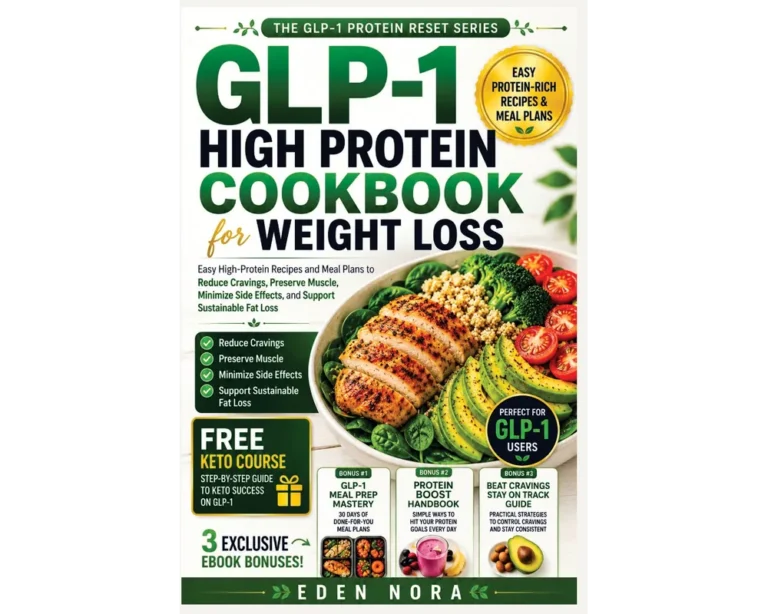
GLP-1 High Protein Cookbook for Weight Loss
GLP-1 High Protein Cookbook for Weight Loss Easy High-Protein Recipes and Meal Plans to Reduce Cravings, Preserve Muscle, Minimize Side Effects, and Support Sustainable…
View the BookKeep exploring

Fitness, Weight Loss & Body Transformation
See the wider Mayobook topic hub with guides, answers, comparisons, and books.
Explore the topic
High-Protein GLP-1 Recipes: Small-Plate Meals With Real Macros
Go deeper with a longer structured guide connected to this topic.
View guide