What Makes a High-Protein Meal Work Well on GLP-1?
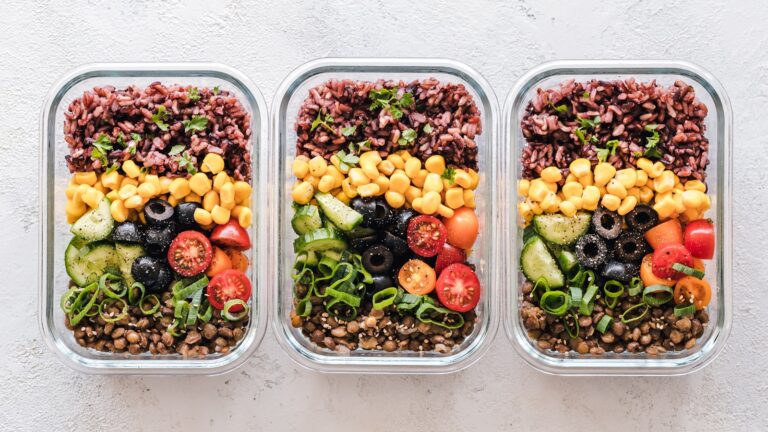
A strong small-plate meal has four qualities: a concentrated protein source, enough produce or fiber-rich food to add nutritional value, flavor without excessive bulk, and a portion that can be scaled up or down. “High protein” should never become an excuse to ignore the rest of the meal.
| Meal component | Compact choices | Why it helps |
|---|---|---|
| Protein anchor | Greek yogurt, cottage cheese, eggs, fish, chicken, tofu, tempeh, edamame, lentils | Puts meaningful protein into a modest serving |
| Produce or fiber | Berries, spinach, zucchini, peppers, broccoli, cooked carrots, beans | Adds micronutrients and fiber without requiring a giant plate |
| Flavor | Lemon, herbs, salsa, yogurt sauces, mild spice blends, pesto in small amounts | Keeps small meals interesting |
| Flexible energy | Oats, quinoa, potatoes, whole-grain toast, avocado, olive oil | Can be adjusted according to appetite and personal needs |
For a deeper explanation of how protein needs are individualized, Mayobook’s Protein on GLP-1 reference is a useful companion.
Build a Small-Plate GLP-1 Meal: Protein First, Then Fiber, Flavor and Fluids
Start by choosing one protein anchor, then add one or two supporting ingredients. This prevents the common problem of building a large “healthy” bowl that becomes impossible to finish. A half-size bowl of chicken, roasted zucchini and quinoa can be more practical than a restaurant-size salad loaded with many toppings.
A simple formula is protein anchor + colorful produce + optional compact carbohydrate + sauce or seasoning. If appetite is lower, reduce the side first rather than stripping out every source of protein. If a food suddenly seems unappealing, change texture or protein source rather than forcing it.
Easy High-Protein GLP-1 Recipes With Real Macros
The nutrition values below are estimates based on the stated portions and common ingredient profiles. Brands and exact quantities change the numbers, so use them as context rather than laboratory values.
Lemon-Herb Chicken and Zucchini Bowl
Serves 2. Toss 8 ounces chicken breast strips, 2 cups zucchini, 1 teaspoon olive oil, lemon zest, oregano, garlic powder and black pepper. Sauté until the chicken is cooked through and the zucchini is tender. Divide between two small bowls and add 2 tablespoons plain Greek yogurt to each. Serve with 1/4 cup cooked quinoa per bowl if wanted.
Approximate per serving: about 30–35 g protein before quinoa; roughly 300–350 calories depending on yogurt and oil. Swap: use firm tofu for a meatless version.
Salmon, Pea and Potato Smash
Serves 2. Flake 6 ounces cooked salmon into 1 cup cooked baby potatoes and 1 cup thawed peas. Mash lightly with 2 tablespoons Greek yogurt, dill, lemon juice and a little mustard. Warm gently or eat chilled.
Approximate per serving: about 25–30 g protein. The mashed texture can be useful when a bulky plate feels unappealing.
Turkey-Spinach Egg Skillet
Serves 2. Brown 4 ounces lean ground turkey with smoked paprika. Add 2 cups spinach until wilted. Pour in 4 beaten eggs and cook gently until just set. Finish with chopped tomato or salsa.
Approximate per serving: about 25–30 g protein. For a softer version, cook slowly over lower heat.
Creamy White Bean and Chicken Soup
Serves 3. Simmer 8 ounces shredded cooked chicken, 1 can rinsed cannellini beans, 3 cups low-sodium broth, 1 diced carrot and 1 cup chopped zucchini until tender. Blend one cup of the soup and stir it back in for creaminess without heavy cream.
Approximate per serving: about 25–30 g protein, depending on chicken and bean portions.
Tofu-Edamame Ginger Bowl
Serves 2. Sear 8 ounces extra-firm tofu cubes. Add 1 cup shelled edamame, shredded carrots and a sauce of reduced-sodium soy sauce, ginger, lime and a teaspoon of sesame oil. Serve as is or over a small scoop of rice.
Approximate per serving: about 25 g protein. This is a useful vegetarian high-protein GLP-1 recipe when meat is not appealing.
Cottage Cheese Tomato Toast Plate
Serves 1. Spread 3/4 cup cottage cheese over one slice toasted whole-grain bread or serve it alongside the toast. Add sliced tomato, cracked pepper, basil and a drizzle of balsamic. If a full slice feels too large, use half and keep the cottage cheese as the main protein.
Approximate protein: often around 20 g or more, depending on the cottage cheese brand.
High-Protein Recipe Ideas for Semaglutide and Tirzepatide Users
Searches for Ozempic high-protein recipes, Wegovy high-protein recipes, Mounjaro high-protein recipes and Zepbound high-protein recipes usually point to the same practical problem: how to eat nutrient-dense meals when appetite, fullness or food preferences have changed. The recipes above can be adapted across those situations because they are food-focused, not drug-specific. Medication dosing, side-effect treatment and medical nutrition restrictions belong with your prescribing clinician or dietitian.
High-Protein GLP-1 Breakfasts When a Large Morning Meal Is Unappealing
| Breakfast | Small-portion approach | Protein source |
|---|---|---|
| Berry yogurt crunch | 3/4 cup Greek yogurt + berries + 1 tablespoon seeds | Greek yogurt, seeds |
| Cottage cheese oats | 1/3 cup cooked oats stirred with blended cottage cheese | Cottage cheese |
| Egg-free tofu scramble cup | Crumbled tofu, spinach and salsa in a small bowl | Tofu |
| Mini egg-and-bean taco | 1 egg + 2 tablespoons black beans in a small tortilla | Egg, beans |
| Small protein smoothie | Greek yogurt or soy milk with berries | Dairy or soy |
If eggs are suddenly unappealing, there is no reason to force them. Yogurt, cottage cheese, tofu, soy milk, beans and smoothies can all create a high-protein GLP-1 breakfast without eggs.
Vegetarian High-Protein GLP-1 Recipes Beyond Plain Yogurt and Eggs
Vegetarian meals work best when the protein source is planned, not added as an afterthought. Try a tofu-edamame bowl, lentil soup topped with Greek yogurt, tempeh lettuce cups, cottage-cheese tomato toast, a chickpea-and-egg bowl, or a small bean-and-cheese quesadilla with salsa. For vegan meals, tofu, tempeh, edamame, soy yogurt and beans are especially useful because they can be served in compact portions.
High-Protein Soups and Softer Meals for Low-Appetite Days
Soup can concentrate protein into a softer texture, but broth alone is not a protein meal. Build the bowl around shredded chicken, turkey meatballs, fish, tofu, lentils, beans or blended cottage cheese. Pureeing a portion of beans into soup adds body without creating a heavy cream-based dish.
If eating becomes persistently difficult, dehydration is a concern, or symptoms are severe, contact your clinician rather than trying to solve the problem only through recipe changes.
When Meat Sounds Unappealing: Protein Alternatives That Still Make a Meal
| If this feels unappealing | Try this instead | Texture advantage |
|---|---|---|
| Chicken breast | Greek yogurt, cottage cheese, tofu | Soft or creamy |
| Ground meat | Lentils, mashed beans, tempeh | Easy to season and portion |
| Eggs | Edamame, soy yogurt, cottage cheese | Different aroma and mouthfeel |
| Solid meal | Protein smoothie or blended soup | Lower chewing burden |
Protein powder can be a practical ingredient, but it is not automatically superior to food. Check serving size, protein amount, allergens, sweetness and how the product feels for you. Whole foods add variety and other nutrients; powders are best viewed as a tool.
Choose the Right Recipe for Your Appetite, Time and Tolerance
| Situation | Good starting point |
|---|---|
| Very little appetite | Small smoothie, yogurt bowl, blended soup |
| No energy to cook | Cottage-cheese plate, tuna-and-bean bowl, no-cook protein plate |
| Want crisp texture | Air-fryer fish, chicken or tofu with a simple side |
| Want tender texture | Slow-cooker shredded chicken, soup or stew |
| Need minimal cleanup | One-pan skillet or sheet-pan dinner |
Protein, Portion Size and GLP-1: What to Personalize
Protein needs depend on body size, age, activity, overall energy intake, medical history and goals. It is more responsible to use recipes as building blocks than to chase one number for everyone. Resistance training, dietary adequacy and preserving function are recurring themes in the current evidence, but the right plan should be individualized when medical complexity is present.
For a broader collection built around the featured book, explore the GLP-1 High Protein Cookbook for Weight Loss. You can also browse Mayobook’s Fitness, Weight Loss & Body Transformation topic hub for related evidence-aware resources.