| What varies | Why it matters |
|---|---|
| Curd size | Changes mouthfeel; small curd can feel smoother |
| Fat level | Changes richness, texture and calories |
| Sodium | Can differ substantially by product |
| Protein per serving | Compare using the actual serving you plan to eat |
| Added ingredients | Some products contain gums, cultures or flavorings |
Do Not Like It Plain? Blend, Whip, Bake or Cook It
| Technique | What it changes | Good uses |
|---|---|---|
| Blend | Removes curd texture | Sauces, dips, mousse, smoothies |
| Whip | Makes it lighter and spreadable | Toast, bowls, savory dip |
| Bake | Sets it into a firmer structure | Egg bakes, cheesecakes, flatbreads |
| Cook into sauce | Disappears into a creamy base | Tomato sauce, pasta sauce, soup enrichment |
| Freeze blended | Creates a frozen-dessert texture | Berry bark, small frozen cups |
If cottage cheese tastes too tangy, blend it with a mild ingredient such as yogurt, fruit or roasted vegetables. If it feels too salty, compare brands or use a smaller amount as one component rather than the whole meal.
High-Protein Cottage Cheese Breakfasts
Berry-Lemon Whipped Cottage Cheese
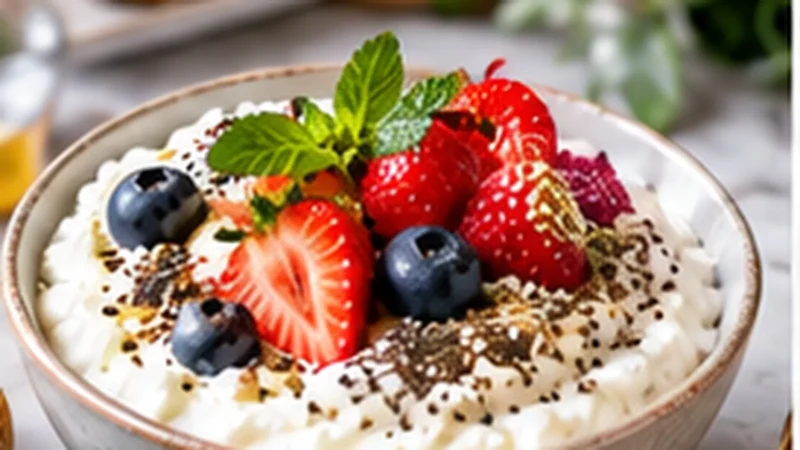
Blend ¾ cup cottage cheese until smooth, then top with ½ cup berries, lemon zest and 1 tablespoon chopped pistachios. For a thinner texture, blend in a splash of milk or soy milk.
Savory Tomato-Herb Bowl
Top ¾ cup cottage cheese with chopped tomato, cucumber, dill, black pepper and a drizzle of olive oil. Serve with a few whole-grain crackers or half a small pita if wanted.
Cottage Cheese Overnight Oats
Blend ½ cup cottage cheese with ¼ cup milk, then stir into ⅓ cup oats with chia and berries. Refrigerate overnight. This creates a thicker breakfast than yogurt alone, so reduce the oats if a smaller volume works better.
Peach-Cinnamon Egg-Free Breakfast Cup
Combine ½–¾ cup cottage cheese with diced peach, cinnamon and a spoonful of high-fiber cereal or walnuts. It is useful when eggs sound unappealing but a cold protein breakfast still works.
Savory Cottage Cheese Lunches and Light Meals
Green-Goddess Cottage Cheese Bowl
Blend ½ cup cottage cheese with parsley, dill, lemon and a small amount of garlic. Spoon over cucumber, tomato and chickpeas. Add smoked salmon, tofu or edamame if you want a different protein profile.
Tuna Cottage Cheese Crunch Bowl
Mix one tuna pouch with ⅓ cup cottage cheese, celery, lemon and black pepper. Serve over chopped cucumber or inside lettuce cups. The cottage cheese replaces a heavier mayonnaise-based dressing while adding protein.
Mediterranean Whipped Cottage Cheese Plate
Whip cottage cheese with lemon and oregano, then top with tomatoes, olives, cucumber and a spoonful of chickpeas. Keep salty toppings modest if you are also using a higher-sodium cottage cheese.
Roasted Pepper Cottage Cheese Soup Cup
Blend cottage cheese with ready-to-eat roasted red peppers, tomato juice and herbs until smooth. Serve chilled or gently warmed according to the ingredients used. This gives cottage cheese a completely different sensory profile from a plain bowl.
Small Cottage Cheese Snacks With More Variety
| Snack | Flavor | Texture change |
|---|---|---|
| Cottage cheese + berries | Sweet-tart | Leave curds or blend smooth |
| Whipped cottage cheese + cucumber | Savory-herb | Completely smooth |
| Cottage cheese + peach + cinnamon | Mild-sweet | Soft fruit contrast |
| Cottage cheese + salsa | Bright-savory | Chunky or blended dip |
| Cottage cheese + cocoa + vanilla | Dessert-like | Blend into mousse |
Keep Cottage Cheese Cold When You Pack It
Cottage cheese is a perishable dairy food, so portability depends on temperature control. For work or travel, use refrigeration or an insulated bag with cold packs and return unused portions to safe refrigeration promptly. A small serving does not become shelf-stable simply because it fits in a snack cup. For current handling guidance, use USDA Food Safety Basics.
Pack toppings separately when possible. Berries, cucumber, herbs, crackers and nuts keep better texture when added just before eating rather than sitting in cottage cheese for hours.
Cottage Cheese Desserts and Frozen Treats
Chocolate Cottage Cheese Mousse
Blend ¾ cup cottage cheese with 1 tablespoon cocoa powder, vanilla and a small amount of maple syrup or preferred sweetener. Chill before serving. Add berries rather than increasing the sweetener if you want more flavor and volume.
Berry Cheesecake Cup
Blend ½ cup cottage cheese with ¼ cup Greek yogurt, vanilla and lemon zest. Spoon into a small glass and top with crushed berries and 1 tablespoon graham-cracker crumbs. This stays recognizably dessert while providing protein from the dairy base.
Frozen Strawberry Cottage Cheese Bark
Blend cottage cheese with strawberries, spread in a thin layer and freeze. Break into small pieces and allow them to soften briefly before eating for a less icy texture.
Cooked Cottage Cheese Recipes: Bakes, Flatbreads and Sauces
Spinach Cottage Cheese Egg Bake
Whisk eggs with cottage cheese, spinach and herbs, then bake in a small dish until safely set. The cottage cheese becomes part of the custard rather than remaining as visible curds.
Blended Tomato-Cottage Cheese Sauce
Blend warm tomato sauce with cottage cheese until creamy. Toss a modest amount with pasta, zucchini noodles or roasted vegetables and add chicken, lentils or tofu as needed. Avoid boiling aggressively after blending because texture can separate.
Cottage Cheese Flatbread
Blend cottage cheese with egg and seasonings, spread thinly on parchment and bake until set and lightly browned. Top lightly with vegetables and another protein if wanted. Treat it as one recipe option, not a “zero-carb” replacement claim.
Herbed Cottage Cheese Stuffed Pepper
Mix cottage cheese with chopped spinach, herbs and a small amount of Parmesan. Spoon into a halved pepper and bake until hot and tender. This creates a warm, soft meal without a large starch component.
Choose the Right Cottage Cheese Form for the Job
| If you want… | Try |
|---|---|
| No visible curds | Blend until completely smooth |
| A spread or dip | Whip with herbs, lemon or roasted vegetables |
| A warm meal | Use in an egg bake, sauce or stuffed vegetable |
| A sweet snack | Blend with fruit, cocoa or vanilla |
| A portable meal component | Keep chilled and pack toppings separately |
How to Read Protein, Sodium and Portion Size Together
A product may advertise high protein while also carrying more sodium or richness than you prefer. Compare labels using the same serving size. If one cup is too large for your appetite, calculate from the amount you realistically eat rather than assuming the package serving is mandatory. Protein density is useful only when the food is also tolerable and practical for you.
| Question | What to check |
|---|---|
| Is this a protein-forward serving? | Protein grams in your actual portion |
| Does it fit my taste? | Curd size, saltiness, tang and fat level |
| Is it too rich? | Fat level and what else is in the meal |
| Is sodium a concern for me? | Compare brands and clinician guidance |
| Will I finish this? | Use a smaller portion and pair with one side |
If Cottage Cheese Does Not Work for You: Protein-Rich Substitutes
| Substitute | Best for | What changes |
|---|---|---|
| Greek yogurt | Bowls, dips, desserts | Smoother and tangier |
| Silken tofu | Mousse, dips, sauces | Dairy-free, very smooth |
| Firm tofu | Savory bowls and bakes | Less creamy, more chew |
| Ricotta | Bakes and fillings | Usually less tangy, different protein profile |
| Blended white beans | Savory dips and sauces | More fiber, less dairy-like flavor |
Choose the substitute based on the job the cottage cheese was doing. Greek yogurt replaces a creamy cold base well; tofu works for dairy-free blending; ricotta is useful in baking; beans work in savory dips.
Use Cottage Cheese as an Ingredient, Not a Rule
Cottage cheese is useful because one ingredient can become breakfast, lunch, dip, sauce, snack, bake or dessert. That flexibility is more valuable than trying to eat it at every meal. Rotate with yogurt, eggs, fish, poultry, tofu, beans, lentils and other foods that fit your preferences.
Persistent inability to tolerate food, vomiting, dehydration concerns or clinician-directed dietary restrictions require individualized medical guidance. A cottage-cheese recipe collection cannot replace that care.
For more compact high-protein recipe ideas from the same Product family, explore the GLP-1 High Protein Cookbook for Weight Loss. You can also browse Mayobook’s Fitness, Weight Loss & Body Transformation topic hub for related nutrition and body-composition resources.