Build a High-Protein Slow-Cooker Recipe Without a Heavy, Oversized Portion
A useful formula is protein + aromatic vegetables + a modest amount of liquid + one flavor system. Add starch or legumes only when they improve the specific dish rather than automatically filling the cooker.
- Protein: chicken breast or thigh, turkey, lean beef, pork tenderloin, lentils, beans or soy foods.
- Aromatics: onion, garlic, celery, ginger, peppers or herbs.
- Liquid: enough broth, tomatoes or sauce for the recipe—not necessarily enough to cover everything.
- Vegetables: choose those that tolerate longer cooking, adding delicate vegetables later when practical.
- Finishers: lemon, fresh herbs, yogurt, mustard or a small amount of cheese can brighten the final bowl.
Slow cookers vary in size and heat pattern. A very large cooker with a tiny recipe may cook differently from a smaller unit, so follow appliance guidance and check doneness rather than assuming one timing works in every machine.
Add Ingredients at the Right Time
Long cooking is helpful for tougher proteins and sturdy vegetables, but it can flatten fresh flavors and overcook delicate ingredients. Add spinach, fresh herbs, yogurt, lemon juice and many seafood items near the end. Beans that are already cooked can often go in later than raw meat. This timing keeps a smaller bowl from becoming a uniform soft mixture with little contrast.
Tender Chicken and Turkey Slow-Cooker Recipes
Lemon-Herb Chicken and White Beans
Place 1 pound boneless chicken, 1 can rinsed white beans, 1 cup low-sodium broth, chopped zucchini, garlic, oregano and lemon zest in the cooker. Cook until the chicken is safely done and tender, then shred it and finish with lemon juice and parsley. Serve a small bowl with extra vegetables rather than a large grain side.
Turkey Meatball Tomato Soup
Shape lean ground turkey with parsley, garlic and a little Parmesan into small meatballs. Add to crushed tomatoes, broth, diced carrots and Italian herbs. Cook until the meatballs are safely cooked through. Stir in spinach near the end. The soup format gives a softer meal while keeping the protein visible.
Ginger Chicken and Cabbage
Combine chicken, shredded cabbage, mushrooms, ginger, garlic, reduced-sodium soy sauce and a small amount of broth. Cook until tender, then finish with rice vinegar and scallions. Serve as-is or with a modest spoonful of rice if wanted.
Lean Beef and Pork Slow-Cooker Meals With Portion Control Built In
Beef and Mushroom Stew
Use lean stew beef with mushrooms, carrots, tomato paste, thyme and broth. Keep potatoes optional and modest so the final bowl does not become mostly starch. Cook until the beef is fork-tender and skim excess surface fat if needed.
Apple-Mustard Pork
Cook pork tenderloin with sliced apple, onion, Dijon mustard, thyme and a small amount of broth. Slice or shred once tender. A small serving works with green beans or cabbage; family members with larger appetites can add potatoes or bread separately.
Tomato-Paprika Beef and Peppers
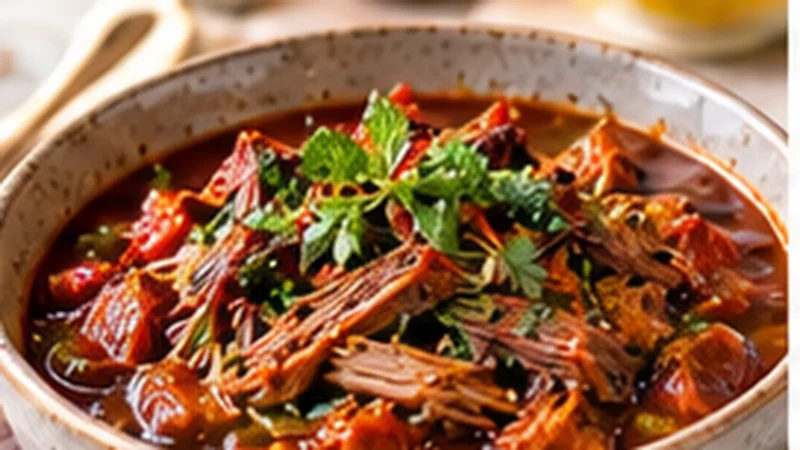
Combine lean beef, bell peppers, tomatoes, smoked paprika and garlic. Cook until tender, then finish with plain Greek yogurt if desired. The tangy finish can make a modest portion feel more complete without a heavy cream sauce.
High-Protein Soups and Stews for Softer-Texture Meals
Slow-cooker soups are especially adaptable because you can change texture without changing the core recipe. Leave a soup chunky, partially blend it, or shred the meat finely depending on what feels easiest to eat.
| Soup or stew | Main protein | Useful adjustment |
|---|---|---|
| Chicken-lentil soup | Chicken + lentils | Add lemon at the end to brighten flavor |
| Turkey bean chili | Turkey + beans | Use less chili heat if strong flavors are unappealing |
| Beef-barley soup | Lean beef | Keep barley modest for a less bulky bowl |
| White-bean chicken soup | Chicken + beans | Blend some beans to thicken without cream |
| Tofu miso vegetable soup | Tofu | Add tofu later so texture stays intact |
Vegetarian Slow-Cooker Protein Meals
Red Lentil Tomato Stew
Combine red lentils, crushed tomatoes, carrots, garlic, cumin and broth. Cook until the lentils are soft, then finish with lemon and a spoonful of Greek yogurt or soy yogurt if desired. Red lentils naturally create a softer texture.
Edamame-Tofu Curry
Slow cook a light tomato-coconut sauce with ginger and vegetables, then add cubed tofu and shelled edamame later in the cooking process so they do not break down excessively. Use enough coconut milk for flavor without making the dish unnecessarily rich.
White Bean, Spinach and Parmesan Soup
Cook white beans with tomatoes, celery, herbs and broth. Stir in spinach near the end and finish with Parmesan. Partially blending one cup of soup thickens it while leaving the rest textured.
Portion the Finished Dish for a Smaller Appetite
A slow cooker naturally produces multiple servings, but you do not have to eat a conventional bowl size. Start with a small bowl, include a clearly visible protein portion and add more only if wanted. If you are cooking for a household, keep optional starches, bread, cheese and toppings separate so other people can scale their plates without changing the base recipe.
| After cooking | Practical step |
|---|---|
| Serving now | Use a smaller bowl and portion protein deliberately |
| Cooling leftovers | Divide into shallow containers rather than leaving a deep hot pot to cool slowly |
| Refrigerating | Chill promptly and follow safe storage windows |
| Reheating | Reheat only the portion you plan to eat and verify safe reheating |
For current government guidance, see USDA Leftovers and Food Safety.
Keep Family-Size Recipes Flexible
If a recipe makes six servings but only one person has a smaller appetite, keep the base dish neutral and let other diners scale with toppings or sides. For example, serve shredded lemon chicken as a small bowl with vegetables for one person, while others add rice, pita, cheese or a larger portion. That keeps one recipe useful to the household without turning the page into a meal-prep schedule.
Fix Dry Meat, Watery Sauce and Overly Heavy Slow-Cooker Meals
| Problem | Why it happens | Fix |
|---|---|---|
| Dry chicken breast | Cooked too long for the cut | Check earlier, use adequate liquid or choose thigh when appropriate |
| Watery sauce | Too much added liquid | Use less liquid initially or reduce/thicken at the end |
| Heavy meal | Too much cream, cheese, fatty meat or starch | Lighten one component rather than shrinking every ingredient |
| Flat flavor | Long cooking muted fresh flavors | Add lemon, herbs, yogurt or vinegar at the end |
| Mushy vegetables | Added too early | Add delicate vegetables later when practical |
Flavor Systems That Keep Slow-Cooker Meals From Tasting Repetitive
Use different finishing profiles: lemon-oregano for chicken and beans; ginger-soy for chicken or tofu; tomato-paprika for beef; apple-mustard for pork; cumin-lime for turkey chili; or dill-lemon for lighter soups. Fresh finishing ingredients matter because long cooking softens flavors as well as textures.
When Slow Cooking Is the Right Method—and When It Is Not
| Choose | When you want |
|---|---|
| Slow cooker | Tender, saucy, soft-texture food with little active cooking |
| Air fryer | Crisp small-batch protein quickly |
| One pan | A complete dinner cooked together with moderate speed |
| No cook | Food immediately with almost no preparation |
Slow cooking is a practical recipe method, not a nutrition prescription. If low appetite, vomiting, dehydration or other symptoms make it difficult to maintain intake, contact your clinician rather than relying on softer recipes alone.
If you are deciding how much protein to build into a smaller slow-cooker serving, the Mayobook Protein on GLP-1 guide to needs, food sources and lean-mass support provides the detailed context behind these recipe choices.
For a broader recipe collection built around the same Product family, explore the GLP-1 High Protein Cookbook for Weight Loss. For other evidence-based nutrition and body-composition resources in this area, visit Mayobook’s Fitness, Weight Loss & Body Transformation topic hub.