Not eating enough while taking a GLP-1 medication can lead to more than simple hunger. If food and fluid intake stay too low, you may develop low energy, dizziness, dehydration, constipation, nutrient shortfalls, reduced exercise tolerance, and loss of lean tissue. The risk is not that every small meal is dangerous; it is the repeated pattern of under-fueling that matters.
Because GLP-1 medicines can strongly reduce appetite and slow gastric emptying, some people unintentionally eat far less than they need. Others deliberately over-restrict because they assume faster weight loss is better. A safer goal is to use the medication’s appetite effect without turning low intake into the main strategy.
The Direct Answer
If you chronically eat too little, your body still has to meet its energy and nutrient needs somehow. Short term, that may show up as weakness, headaches, poor concentration, constipation, dizziness or feeling unusually cold or washed out. Over time, inadequate protein, energy and dietary variety can contribute to loss of muscle, poor recovery and nutrient insufficiency.
Not every symptom proves you are under-eating, and weight loss by itself does not tell you whether intake is adequate. The concern is the overall pattern: very small intake, persistent symptoms, poor hydration, declining function, or repeated inability to tolerate food.
Why It Can Be Easy to Undereat
Several GLP-1 effects can combine. Appetite may be markedly lower, fullness may come after only a few bites, and nausea or food aversion may make eating less appealing. Some people also skip meals because they are busy and no longer receive strong hunger signals.
Intentional restriction can add to the problem. If the medication already makes you eat less, layering a rigid low-calorie diet on top can push intake below what is practical for maintaining strength and nutrition.
Early Signs Intake May Be Inadequate
Possible warning signs include persistent fatigue, dizziness when standing, headaches, poor concentration, weakness, constipation, dry mouth, dark urine or urinating much less than usual. You may also notice that workouts feel harder, recovery is poor, or ordinary daily tasks require more effort.
These signs are not specific. They can come from dehydration, illness, low blood pressure, medication effects or other medical conditions. If symptoms are persistent or worsening, the answer is not to guess—it is to involve your care team.
Protein and Lean-Mass Concerns
Weight loss can include both fat mass and lean mass. That is true with many forms of weight loss, not only GLP-1 treatment. Very low energy intake and inadequate protein can make preservation of lean tissue harder, especially in older adults or people who are inactive.
Practical protection includes eating protein-containing foods at several points across the day and, when medically appropriate, doing resistance exercise. Suitable options can include eggs, Greek yogurt, cottage cheese, fish, poultry, tofu, beans, lentils and soy foods. Individual protein needs vary, particularly with kidney disease.
Micronutrients and Dietary Variety
Eating less food generally means fewer opportunities to obtain vitamins, minerals and fiber. The risk rises when intake becomes not only small but repetitive—for example, relying on a few crackers, coffee and a protein shake day after day.
That does not mean everyone taking a GLP-1 automatically needs a multivitamin or multiple supplements. Food variety, medical conditions, laboratory findings and clinician guidance should drive those decisions. A useful baseline is to include some protein, produce, whole grains or legumes, and healthy fats across the day as tolerated.
Blood Glucose Considerations
People who also use insulin or sulfonylureas need extra care. Eating substantially less than usual can increase hypoglycemia risk depending on the medication plan. Symptoms such as sweating, shaking, confusion or palpitations should be managed according to your diabetes care instructions, and recurrent episodes require clinician review.
A Practical Recovery Strategy
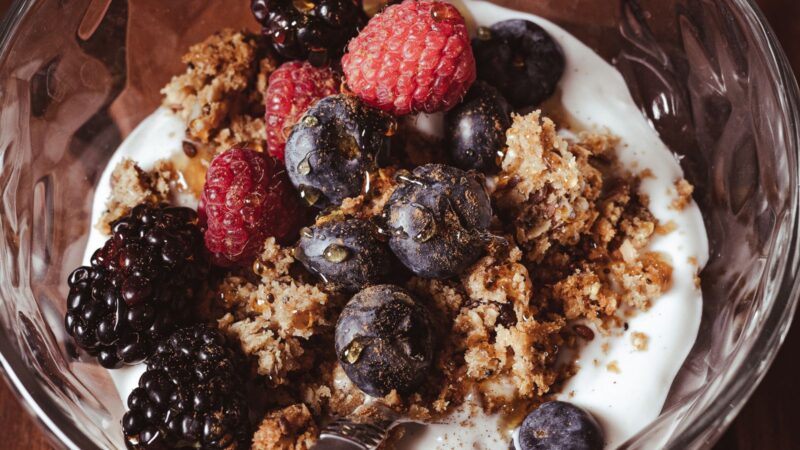
When intake has fallen too low, do not try to fix the problem by forcing one large meal. Instead, use smaller eating opportunities every few hours. Choose nutrient-dense foods that are easy to tolerate: yogurt with fruit, eggs with toast, oatmeal made with milk or fortified soy milk, soup with chicken or lentils, cottage cheese, tofu with rice, or a small smoothie with a protein source.
If fullness is intense, separate larger drinks from meals and sip fluids between eating occasions. Soft or cool foods can help when nausea or food aversion is active. Add calories and protein gradually through tolerated foods rather than relying on sheer volume.
When to Contact the Care Team
Contact your prescribing clinician if you are repeatedly unable to eat enough, losing strength, feeling persistently dizzy or weak, or relying heavily on liquid supplements because solid food is difficult. A dietitian can help translate the medication’s appetite effect into a realistic nutrition plan.
Seek prompt medical care if you cannot keep fluids down, urination becomes markedly reduced, you faint, become confused, or develop severe or persistent abdominal pain. Repeated vomiting or rapidly worsening symptoms should not be managed by continuing to cut food intake.
How to Prevent the Cycle
Use simple routines: keep easy protein foods available, plan two or three reliable small meals, set reminders if hunger cues are weak, track which foods trigger symptoms, and review dose-related problems with the prescribing team rather than changing medication on your own.
The goal of GLP-1 treatment is not to become skilled at eating as little as possible. It is to support health while appetite is lower. For a broader meal-planning system, see the GLP-1 Diet Meal Plan Cookbook and explore Mayobook’s Fitness, Weight Loss & Body Transformation resources.