GLP-1 meal planning works best when it starts with the appetite and schedule you actually have today. A meal that feels perfect on a normal-appetite day may be too large when fullness is strong, and a carefully cooked dinner may be unrealistic after a long workday. This collection is designed to help you choose a practical meal style first, then build from there.
The common thread is simple: prioritize a useful protein source, include fiber-rich foods as tolerated, keep portions comfortable, and make hydration part of the day. The ideas below are flexible combinations rather than fixed prescriptions.
Start With Your Appetite Today
Normal appetite: choose a complete meal with protein, vegetables or fruit, a useful carbohydrate such as oats, potatoes, rice, whole grains or legumes, and a modest amount of fat.
Reduced appetite: shrink the portion without stripping away the protein. A small chicken-and-rice bowl, Greek yogurt with fruit and oats, or eggs with toast may be easier than a full plate.
Very low appetite: use mini-meals. Yogurt, cottage cheese, a boiled egg, soup with chicken or lentils, a small smoothie with a protein source, or tofu with a few bites of rice can be more manageable than one conventional meal.
Fast Breakfast Ideas
Breakfast can create an early opportunity to eat before the day becomes busy. Try Greek yogurt with berries and oats; cottage cheese with banana and walnuts; eggs with whole-grain toast; overnight oats made with milk or fortified soy milk; or a small tofu scramble in a tortilla.
If morning nausea is active, cooler and simpler foods may be easier. Yogurt, fruit, a small bowl of oats, or toast with egg can be less demanding than a rich cooked breakfast.
Portable Lunch Ideas
Good portable lunches do not need to be elaborate. Consider a turkey or hummus wrap, tuna with whole-grain crackers and fruit, a small chicken-and-rice container, edamame with rice and cooked vegetables, or lentil salad with feta if raw foods are comfortable.
For no-reheat situations, use foods that remain appetizing when cool: cottage cheese with fruit, hard-boiled eggs with crackers, Greek yogurt with oats, or a small sandwich with a clear protein source.
Simple Dinner Ideas
Use repeatable meal formats. A sheet-pan dinner can pair chicken, tofu or fish with vegetables and potatoes. A bowl meal can combine rice or quinoa with protein and cooked vegetables. A soup meal can include chicken, beans, lentils or tofu rather than relying on broth alone. A skillet meal can use eggs, turkey, tofu or beans with vegetables.
When appetite is low, plate less at first. The rest can become tomorrow’s lunch instead of turning dinner into a test of how much you can finish.
Five-Minute and No-Cook Ideas
- Greek yogurt, berries and oats.
- Cottage cheese, pear and whole-grain crackers.
- Canned salmon or tuna with toast and cucumber.
- Hummus, pita, a boiled egg and soft vegetables.
- Pre-cooked chicken with microwave rice and frozen vegetables.
- Edamame with a small grain pouch and sesame seeds.
- Milk or fortified soy milk with fruit and a small oat-based snack.
Convenience foods can be useful tools when low appetite and fatigue make cooking a barrier. The strongest option is the one you will actually eat.
Soft and Gentle Meal Ideas
On nausea or pronounced-fullness days, try oatmeal, mashed sweet potato, yogurt, cottage cheese, scrambled eggs, soft tofu, flaky fish, blended lentil soup, chicken soup, bananas, applesauce, or cooked vegetables. Keep seasoning moderate and portions small if strong flavors or fat worsen symptoms.
Persistent vomiting, inability to keep fluids down, severe abdominal pain or signs of dehydration need medical assessment rather than continued food experimentation.
Vegetarian and Dairy-Free Ideas
Plant-forward meals can work well when they still include enough protein. Options include tofu stir-fry with rice, lentil soup, chickpea mash on toast, edamame grain bowls, tempeh with cooked vegetables, or oatmeal made with fortified soy milk.
For dairy-free eating, fortified soy milk and soy yogurt often provide more protein than many other plant alternatives. Check labels because nutrition varies widely.
Budget-Friendly Meal Ideas
Eggs, beans, lentils, canned tuna or salmon, oats, frozen vegetables, potatoes, rice and seasonal fruit can build inexpensive meals without sacrificing nutritional value. Cook once and reuse ingredients: lentils can become soup and a grain bowl; chicken can become dinner and a wrap; roasted vegetables can be used across two or three meals.
Frozen produce is especially useful because it reduces waste when appetite changes unexpectedly.
Choose Your Next Resource
If you want a structured week, start with a seven-day meal-plan approach. If grocery shopping is the main obstacle, build a repeatable list of proteins, produce, grains, fluids and backup foods. If very low appetite is the problem, focus first on small nutrient-dense meals and symptom tolerance rather than meal variety.
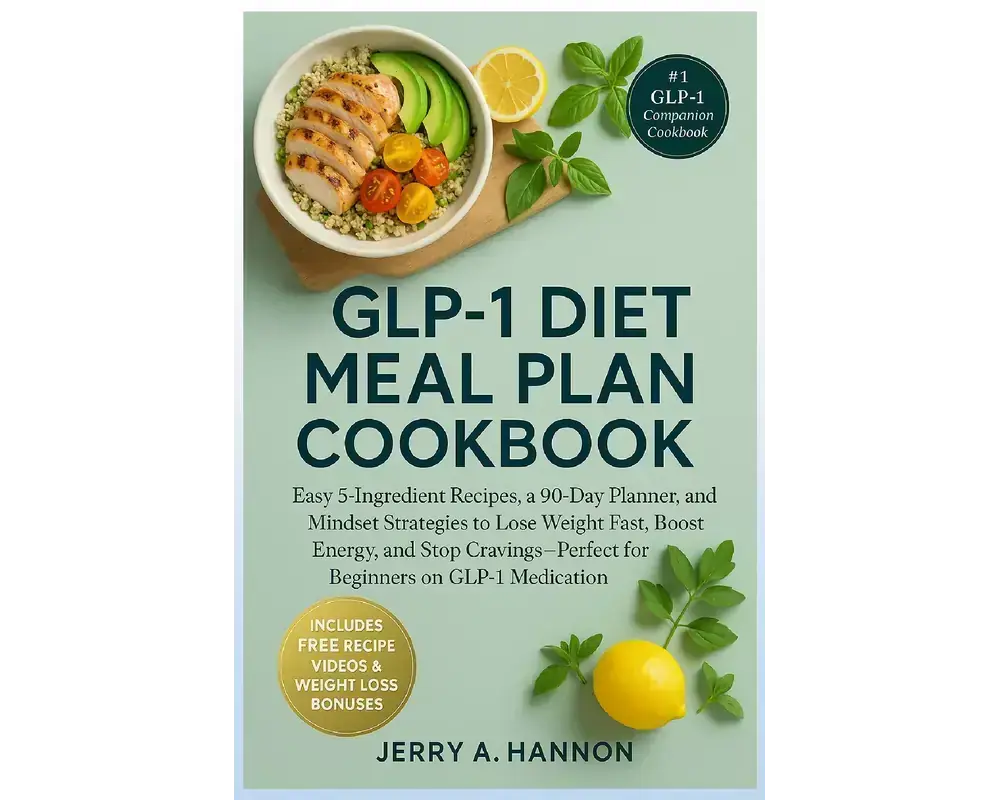
For a complete recipe and planning system, the featured resource in this collection is the GLP-1 Diet Meal Plan Cookbook. It provides the central book-level framework for turning these ideas into repeatable meals.
How the Collection Is Curated
The meal paths here are organized around real reader situations: time pressure, reduced appetite, gastrointestinal tolerance, dietary preference and budget. The collection avoids presenting one eating style as universally correct. It also avoids treating medication side effects as something food must always solve.
Meal ideas are chosen for practicality, nutritional usefulness and flexibility. When a medical condition, diabetes medication, pregnancy, kidney disease, eating-disorder history or persistent gastrointestinal symptom changes the risk profile, individualized clinical guidance takes priority.
For broader evidence-aware resources on protein, fiber, hydration and sustainable weight management, explore Mayobook’s Fitness, Weight Loss & Body Transformation topic hub.