
Foods to Limit on an Anti-Inflammatory Diet—and Better Swaps
An evidence-aware guide to foods worth limiting more often on an anti-inflammatory diet, with practical swaps for refined foods, sugary drinks, processed meats, fried foods, and other commonly misunderstood categories.

Keep Learning—Listen Free
Short, practical audiobooks for your next step.

How to Simplify Your Life: Minimalism, Simple Living & Decluttering | Full Audiobook
How to simplify your life with minimalism, simple living and decluttering —…

How to Overcome Social Anxiety: Stop Overthinking & Build Social Confidence | Full Audiobook
How to overcome social anxiety, stop overthinking conversations, overcome fear of judgment,…

How to Focus Under Pressure: Discipline, Mental Strength & Success Mindset | Full Audiobook
How to focus under pressure, build discipline, develop mental strength, and create…

How to Focus & Build Self-Discipline: Train Your Brain to Ignore Distractions | Full Audiobook
Learn how to focus, build self-discipline, improve concentration, and train your brain…

Avoidant Attachment: Why Avoidants Pull Away When You Get Close | Full Audiobook
Understand avoidant attachment and why avoidants pull away when relationships get close,…

Attachment Styles Explained: Anxious vs Avoidant & How to Become Secure | Full Audiobook
Understand attachment styles and learn how anxious attachment, avoidant attachment and secure…

Insulin Resistance Explained: Blood Sugar, Insulin Sensitivity & Metabolic Health | Full Audiobook
Learn what insulin resistance really is and how blood sugar, insulin sensitivity,…

Gut Health: How Your Microbiome, Probiotics & Gut-Brain Connection Really Work | Full Audiobook
Learn gut health through the science of the gut microbiome, probiotics, prebiotics,…

Psychology of Resilience: Building Resilience & Mental Toughness | Full Audiobook
Learn the psychology of resilience and how to build resilience, mental toughness,…
“Foods to avoid” is one of the most searched ways people approach anti-inflammatory eating, but a rigid blacklist is usually the wrong mental model. Evidence-based guidance focuses more on the overall pattern: make vegetables, fruit, whole grains, legumes, nuts, seeds, quality proteins, and unsaturated fats more common, while limiting foods that are heavily refined, highly processed, or easy to overconsume without much nutritional value.
You do not need to eat perfectly. Frequency, portion, preparation, and what a food replaces all matter. A birthday cake, restaurant meal, or favorite snack does not erase an otherwise balanced pattern.
Think “Limit More Often,” Not “Never Eat Again”
Anti-inflammatory eating is not an elimination diet by default. No single food automatically creates chronic inflammation in every person, and broad rules such as “never eat dairy,” “never eat gluten,” or “never eat seed oils” can create unnecessary restriction when there is no medical reason for avoidance.
A better question is: which foods tend to displace fiber-rich, minimally processed foods when they dominate the diet? Those are the categories where reducing frequency can have the greatest practical value.
Ultra-Processed Foods and Refined Carbohydrates
Dietary patterns high in refined grains, highly processed snack foods, sweets, and low-fiber convenience foods are often associated with poorer overall diet quality. The problem is not that every processed food is harmful. Frozen vegetables, canned beans, plain yogurt, whole-grain bread, and many other useful foods are processed too.
Focus on degree and context. If most of your carbohydrate choices are white pastries, sweetened cereals, chips, and refined snack foods, replace some of them with oats, brown rice, barley, quinoa, beans, lentils, whole-grain bread, fruit, or potatoes with skin.
Sugary Drinks and Heavily Sweetened Foods
Sugar-sweetened beverages are one of the clearest places to cut back because they can add substantial sugar without much satiety. Soda, sweetened tea, energy drinks, fruit drinks, and syrup-heavy specialty coffees can become daily habits without feeling like “food.”
Better swaps include water, sparkling water, unsweetened tea, coffee with little or no added sugar, or water flavored with citrus or herbs. Whole fruit is not nutritionally equivalent to a sweetened drink: it brings fiber, water, and a different food matrix.
Processed Meats, Red Meat, and Cooking Method Matter
Processed meats such as bacon, sausage, hot dogs, and many deli meats are reasonable foods to limit more often. Red meat deserves more nuance. You do not need to assume that one serving is “inflammatory,” but a pattern built heavily around processed or large amounts of red meat can crowd out fish, legumes, poultry, and plant proteins.
Try replacing some meals with lentils, beans, tofu, fish, or poultry. Preparation matters too: a grilled or roasted protein served with vegetables and whole grains is a different meal pattern from frequently eating deep-fried or highly processed meat with refined sides.
Deep-Fried Foods and Fat Quality
It is more useful to think about fat quality and cooking pattern than to fear all dietary fat. Nuts, seeds, olive oil, avocado, and fish provide predominantly unsaturated fats and fit well in Mediterranean-style and anti-inflammatory eating patterns.
Foods that are frequently deep-fried, especially when they are also heavily refined or highly processed, are better treated as occasional rather than foundational foods. Instead of banning fried food, shift more meals toward roasting, baking, steaming, sautéing, grilling, or air-frying where appropriate.
Dairy, Gluten, Coffee, and Other Foods People Often Blame
These categories attract broad claims that are not appropriate for everyone.
Dairy: milk, plain yogurt, kefir, and cheese are not universally inflammatory. Milk allergy, lactose intolerance, and personal tolerance are separate issues, and the nutritional profile varies across products.
Gluten: people with celiac disease must avoid gluten, and some people have other medically evaluated reasons to restrict it. That does not mean gluten needs to be eliminated from every anti-inflammatory diet.
Coffee: coffee contains polyphenols and can fit for many adults. What you add to it, your caffeine tolerance, sleep, pregnancy guidance, medications, and digestive symptoms may change the practical decision.
Unnecessary elimination can make a diet harder to sustain and may reduce nutrient variety. If a food repeatedly causes significant symptoms, seek proper evaluation rather than assuming “inflammation” is the cause.
A Better-Swaps Table for Everyday Meals
| More often limited | Practical swap |
|---|---|
| Sweetened breakfast cereal | Oats or higher-fiber cereal with fruit, nuts, and seeds |
| Sugary soda or fruit drink | Water, sparkling water, or unsweetened tea |
| Processed-meat sandwich | Bean spread, grilled chicken, tuna or salmon, or hummus with vegetables |
| Refined snack chips | Fruit with nuts, roasted chickpeas, vegetables with hummus, or plain popcorn |
| Deep-fried side | Roasted vegetables, baked potato, whole grain, or bean salad |
| Syrup-heavy coffee drink | Coffee or tea with less added sugar and a milk choice that suits you |
| Highly sweetened dessert every day | Fruit-forward desserts or smaller portions less often, while still enjoying favorite foods |
What to Focus on More Often Instead
Restriction is easier when it is replaced by something satisfying. Build meals around vegetables and fruit, whole grains, beans and lentils, nuts and seeds, fish or other quality proteins, and unsaturated fats. Use herbs, spices, garlic, onions, citrus, vinegar, and other flavor builders so “healthy” food does not become bland food.
A simple rule is to upgrade the default rather than police every exception. Keep water available. Stock fruit and nuts for quick snacks. Use beans or lentils in a few meals each week. Add vegetables to foods you already eat. Choose whole grains more often. Cook with olive oil or another suitable unsaturated fat where appropriate.
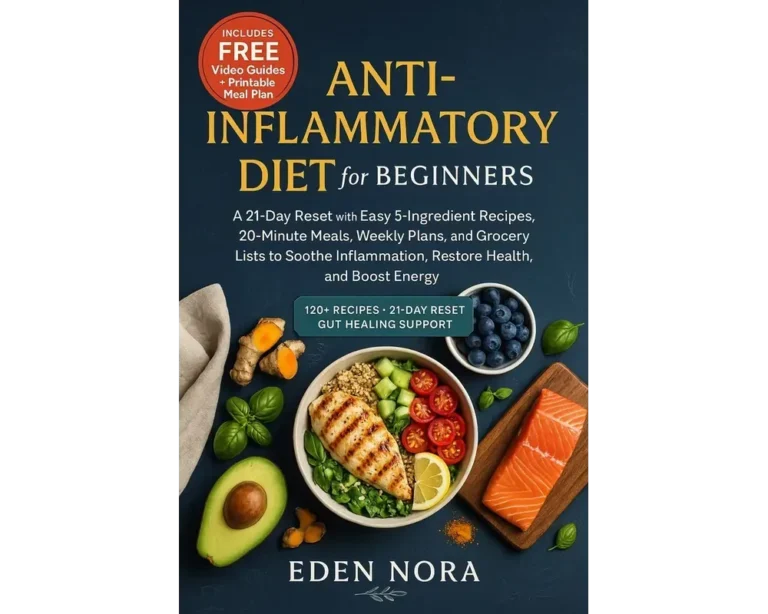
For the broader beginner framework, Mayobook's Anti-Inflammatory Diet for Beginners is the canonical Source Product. The server-governed Fitness, Weight Loss & Body Transformation topic hub is the appropriate Mayobook navigation route for related content.
An anti-inflammatory diet should expand the range of nourishing foods you eat, not make you afraid of ordinary meals. Limit the patterns that consistently displace better choices, make practical swaps, and leave room for flexibility.
Want the complete system?
Explore the full book for a deeper, structured guide.
Anti-inflammatory Diet for Beginners
The Anti-Inflammatory Diet for Beginners: Reset Your Body, Calm the Fire, and Reclaim Your Health Naturally Are you tired of living with joint pain,…
View the BookMore in Weight Loss & Detox
View category
Anti-Inflammatory Breakfast Ideas: Quick, Balanced Ways to Start the Day
Quick anti-inflammatory breakfast ideas built around protein, fiber-rich foods, unsaturated fats, and colorful plant foods, with no-cook, warm, savory, make-ahead, and adaptable options.
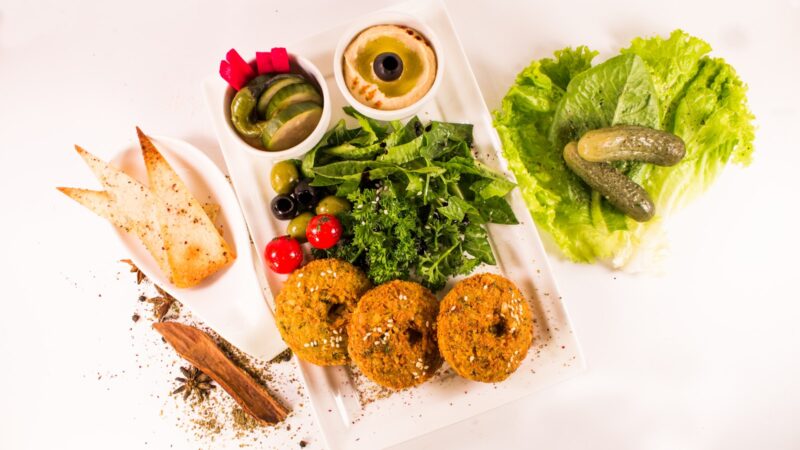
Anti-Inflammatory Snacks: Quick, Satisfying Ideas for Busy Days
Quick anti-inflammatory snack ideas that pair fiber-rich foods with protein or unsaturated fats, including zero-prep, portable, higher-protein, sweet, and packaged options for busy days.
Keep exploring

Fitness, Weight Loss & Body Transformation
See the wider Mayobook topic hub with guides, answers, comparisons, and books.
Explore the topic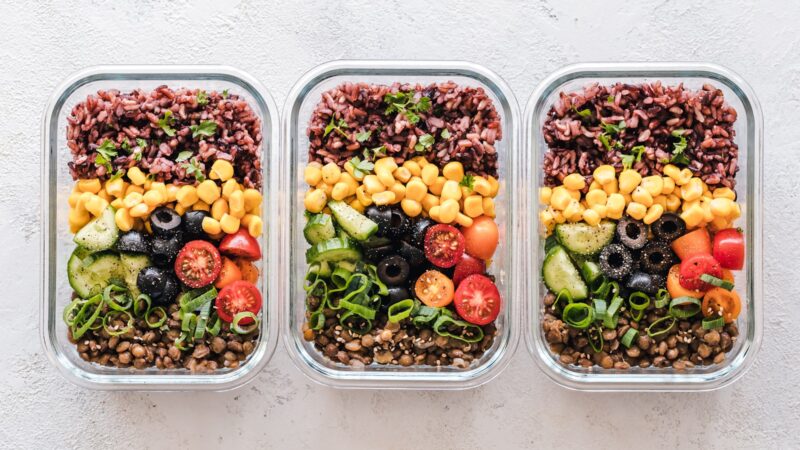
Anti-Inflammatory Meal Prep: A Practical Make-Ahead System for the Week
Go deeper with a longer structured guide connected to this topic.
View guide