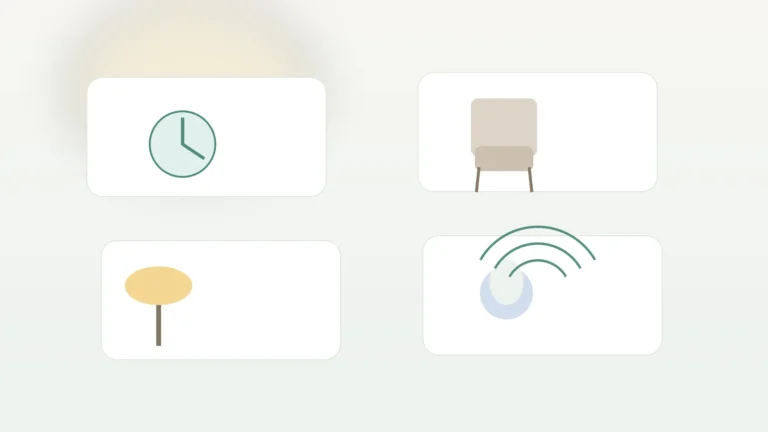

This distinction is especially important because “somatic” can describe many different traditions and techniques. A gentle shoulder roll, mindful body scan, paced breathing exercise and therapist-led somatic intervention do not have the same mechanism, evidence base or purpose simply because they all involve awareness of the body. Treat the label as a category marker, not a scientific conclusion.
Four Types of Practices Commonly Put Under the Label
Breathing practices
Comfortable slow breathing is one of the better-supported ways to alter respiratory-linked heart-rate patterns and vagally mediated HRV during practice. The effect depends on pace, depth, comfort and individual physiology; forcing deep breaths can make people lightheaded.
Breathing also provides a useful anchor because it is easy to scale. You can slow it slightly, return immediately to your normal rhythm, and practice while seated. That makes it very different from techniques that depend on strain, prolonged breath retention or provoking a strong reflex.
Orienting and attention
Orienting means deliberately noticing neutral details in your environment—light, color, sound, contact with the chair or floor. The benefit is best understood as an attention and arousal-management practice, not as proof of direct vagus activation.
For some people, looking around the room and noticing stable cues can interrupt the tunnel vision that accompanies stress. For others, it may simply be a brief mindfulness exercise. Either way, the useful outcome is whether it improves comfort and attention, not whether it produces a dramatic sensation.
Gentle movement
Slow shoulder, trunk and limb movements can reduce stiffness, interrupt prolonged stillness and change breathing and muscle tension. This may help some people feel more settled. It does not require forceful neck work.
Movement can also be adjusted to mobility level. A seated person can open and close the hands, roll the shoulders or rotate the trunk within a comfortable range. Someone who prefers standing can use slow weight shifts with support. The nervous system does not require an impressive-looking exercise for the practice to be useful.
Relaxation and vocalization
Supported rest, progressive release, humming or soft vocal exhalation may make breathing slower and prolong exhalation. Small studies of humming show HRV changes, but the available evidence does not establish that humming uniquely “switches on” the vagus nerve.
A useful way to think about vocalization is that it combines sound, breath control and attention. That combination may feel soothing without needing to assign the effect to one specific nerve pathway.
What May Be Happening in the Nervous System
Your autonomic state emerges from multiple interacting systems. Breathing changes mechanical pressure in the chest and influences heart-rate timing. Attention changes what the brain prioritizes. Gentle movement alters sensory input and muscle tension. A quiet environment reduces incoming stimulation. Feeling safer or more supported can change perceived arousal.
The vagus nerve participates in parasympathetic regulation, but it is one part of this larger network. That is why a body-based practice can be useful without needing a single-cause explanation.
It is also why two people can respond differently to the same routine. A slow breath may feel settling to one person and uncomfortable to another. Closing the eyes may promote relaxation for one person but increase unease for someone else. Good practice is adaptable rather than prescriptive.
Evidence: What We Know, What We Infer and What Is Mostly Marketing
Better supported: slow-paced breathing can increase several vagally mediated HRV measures during practice and after repeated interventions. Relaxation and physical activity can support broader stress regulation and cardiovascular health.
Plausible but indirect: gentle movement, mindfulness, humming and some yoga practices may reduce perceived stress or affect autonomic markers, but findings vary and do not prove direct stimulation of the vagus nerve.
Mostly marketing when stated as certainty: claims that one eye movement, neck position, tremor, touch point or “trauma-release” maneuver instantly resets the vagus nerve, detoxifies the nervous system or proves that trauma has left the body.
Subjective benefit still matters. The evidence boundary simply prevents a helpful experience from being turned into an unsupported medical mechanism. A practice can earn a place in your routine because it improves comfort, focus or sleep readiness—not because a viral video assigns it a dramatic biological story.
A 10-Minute Gentle Somatic Routine
This routine is designed to be low strain. You can do it seated, and there is no requirement to close your eyes.
- Minutes 0–2: Orient. Let your eyes move naturally around the room. Notice three neutral visual details, two sounds and the points where your body is supported. Do not force eye positions or hold your gaze until it becomes uncomfortable.
- Minutes 2–5: Breathe comfortably. Let the breath become a little slower. Keep inhalation easy and avoid oversized breaths. If it feels pleasant, let exhalation be slightly longer than inhalation. If you feel dizzy or air-hungry, return to normal breathing.
- Minutes 5–8: Move gently. Roll the shoulders slowly, open and close the hands, reach the arms within a comfortable range, and rotate the upper trunk a small amount while the head follows naturally. Avoid pressing or digging into the side of the neck.
- Minutes 8–9: Optional humming. On an easy exhale, hum softly once or twice. Keep the volume comfortable and stop if your throat feels strained.
- Minutes 9–10: Rest and reassess. Sit quietly. Notice breathing ease, muscle tension, alertness and comfort without trying to label the state as “vagal activation.”
If ten minutes feels too long, shorten the routine. A repeatable four-minute version may be more valuable than a complicated protocol you avoid. If one component consistently feels unhelpful, leave it out rather than assuming discomfort is necessary for progress.
How to Tell Whether a Practice Is Helping You
Use outcomes that matter in daily life. After a routine, ask whether your breathing is easier, your shoulders or jaw feel less tense, you can return to the task in front of you with less agitation, the practice helps you wind down without making you dizzy or distressed, and you can repeat it consistently without needing greater intensity.
Consider tracking a simple one-to-five comfort rating before and after practice for a week. This is not a medical score. It is simply a way to notice whether the routine is consistently useful. If you already wear an HRV device, treat it as secondary information. A temporary HRV shift can reflect the breathing pattern itself and is not a diagnosis of vagal tone.
The Problem With “Trauma Release” and “Instant Reset” Claims
Body-based practices can evoke emotion, relief, fatigue or a sense of release. Those experiences are real to the person having them. What is not established is the claim that a particular tremor, yawn, sigh or stretch proves trauma has physically left the nervous system or that a vagus nerve has been “reset.”
Be wary of explanations that make every response evidence of success: calm means the exercise worked, discomfort means “stored trauma” is moving, dizziness means the nervous system is recalibrating. A claim that cannot be questioned by any outcome is difficult to test and easy to misuse.
If a practice repeatedly triggers intense distress, panic, dissociation or worsening symptoms, stop and seek appropriate professional support rather than assuming discomfort is evidence that the technique is working.
When to Stop, Modify or Ask for Professional Guidance
Stop or scale back if a technique produces dizziness, faintness, chest discomfort, significant shortness of breath, pain, visual disturbance or neurological symptoms. Persistent fainting, palpitations, swallowing difficulty or unexplained neurological symptoms warrant appropriate medical evaluation rather than increasingly aggressive vagus exercises.
Avoid forceful carotid or neck pressure, extreme cold challenges, prolonged breath holds and manipulative techniques that require you to provoke a reflex. If you have significant cardiovascular, respiratory or neurological conditions, individualized guidance may be appropriate before beginning a new practice.
For musculoskeletal limitations, choose a position that is stable and painless. For respiratory limitations, keep breathing natural rather than attempting a slow pace that creates air hunger. Adaptation is not a lesser version of the practice; it is part of practicing responsibly.
Somatic vs. Yoga, Breathing and Vagus Nerve Exercises
Somatic practice is best understood as a broad body-awareness category. Yoga uses established movement and breath traditions. A breathing guide focuses specifically on respiratory technique and evidence. A general vagus-exercise guide compares many techniques by evidence and risk.
You do not need to choose one identity for your routine. You can borrow a gentle movement from yoga, an orienting exercise from somatic practice and an evidence-aware slow-breathing period—while keeping the claims proportional to the evidence. The best routine is the one that is understandable, safe enough to repeat and helpful in the context of your actual life.
For a broader structured practice overview, see Vagus Nerve Exercises. You can also explore the broader Fitness, Weight Loss & Body Transformation topic hub.