Benefits
- Greater confidence with meal planning
- Improved protein intake
- Better appetite management
- Reduced reliance on processed foods
- Healthier weight loss habits
- More satisfying meals

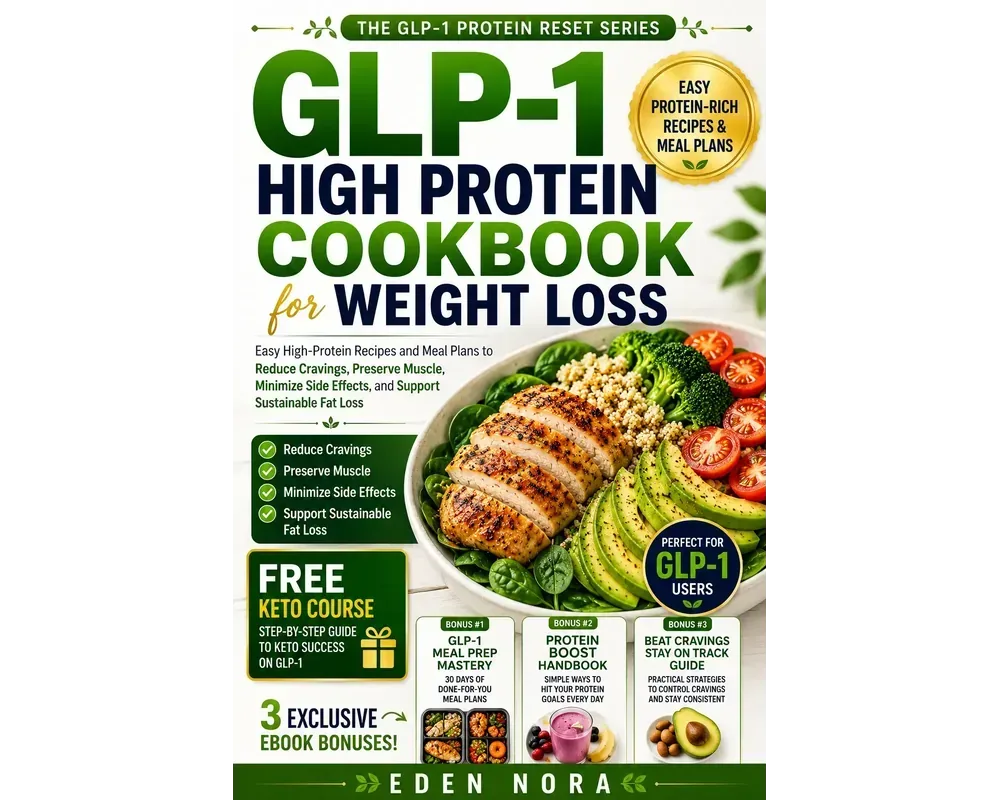
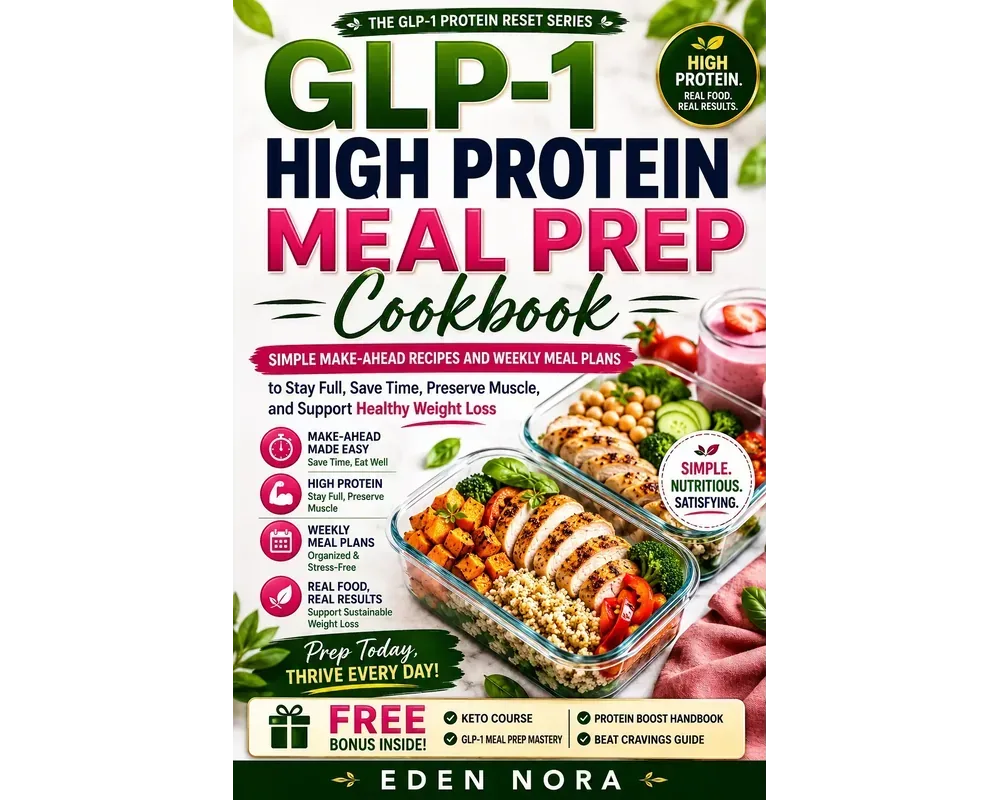
GLP-1 High Protein Cookbook for Weight Loss Easy High-Protein Recipes and Meal Plans to Reduce Cravings, Preserve Muscle, Minimize Side Effects, and Support Sustainable Fat Loss A…

Eating well can become unexpectedly complicated when a GLP-1 medication changes your appetite. You may feel full sooner, lose interest in familiar meals, or struggle to decide what is worth preparing when you only want a small portion. GLP-1 High Protein Cookbook for Weight Loss helps turn those everyday decisions into a practical routine built around protein-forward recipes, familiar foods, and flexible planning.
The book is for readers who want meals that are manageable—not another set of restrictive rules. Its breakfast, lunch, dinner, and snack ideas focus on making good use of smaller eating opportunities while keeping enjoyment and variety part of the picture. A cookbook cannot control medication side effects or guarantee weight loss, but it can make daily food choices less exhausting.
When body weight decreases, some lean mass may be lost alongside body fat. Adequate dietary protein matters, but it is not a substitute for resistance exercise, and individual protein needs vary. Medication-related appetite changes can also make it harder to eat enough food overall. The goal is to build meals that offer useful nutrition rather than chase an arbitrary number or skip essential food groups.
This cookbook places protein-rich ingredients inside complete meals. Think of protein alongside vegetables, fruit, fiber-containing foods, healthy fats, and appropriate hydration. Portion sizes can be adjusted, and anyone with kidney disease, significant nutritional concerns, or medical dietary restrictions should obtain individual advice from their healthcare team or registered dietitian.
Instead of complicated recipes that demand hard-to-find products, the guide centers on everyday ingredients and cooking methods that fit a busy household. Readers can explore:
Some days call for a prepared lunch you can take with you. Others call for a simple dinner, a smaller serving, or a softer option that feels easier to manage. The recipes and meal-planning ideas offer several ways to stay engaged with nutritious food when appetite and energy are unpredictable.
A substantial plate can feel overwhelming when hunger is low. Smaller meals, modest portions of protein-rich foods, and well-planned smoothies may be easier for some people to manage. Rather than forcing yourself through a heavy meal or repeatedly skipping meals, the book encourages thinking about what a smaller serving can contribute to your overall day’s nutrition.
For examples beyond the cookbook, explore Mayobook’s High-Protein GLP-1 Recipes and GLP-1 Protein Smoothies. Both belong to this book’s existing Product Authority Cluster and provide additional meal ideas for days when standard portions are less appealing.
Consistency becomes easier when a few useful decisions are made in advance. Keep ingredients on hand for quick breakfasts, prepare a protein option that can work in more than one meal, and build a short rotation of lunches and dinners you actually enjoy. A flexible plan reduces decision fatigue while allowing room for different appetite levels and family schedules.
Use the meal-planning guidance as a starting point, not as a rigid prescription. Food preferences, budget, allergies, activity levels, and medical needs all affect what a workable day of eating looks like. If you feel nauseated or cannot keep food and fluids down, contact your prescriber instead of relying on recipes to solve a potentially important medication problem.
Protein may help support adequate nutrition, but sustainable health also involves overall food quality, movement, sleep, and medical follow-up. Protecting muscle during weight reduction requires more than a high-protein meal; resistance or strength training, where appropriate, is an important part of the picture. No cookbook can replace a clinician’s assessment of medication dose, nutrition status, or adverse effects.
Nutrition guidance from professional organizations emphasizes nutrient-dense meals, monitoring intake, and tailored protein needs when appetite is reduced. Readers wanting the research context can consult the joint professional advisory on nutritional priorities during GLP-1 therapy. The advice in this book is educational and should be adapted with a qualified professional when medical conditions make dietary changes more complex.
GLP-1 High Protein Cookbook for Weight Loss offers a practical collection of recipes and planning ideas for readers who want to nourish themselves well while navigating an appetite-changing treatment. Its central promise is a useful one: more options, less daily guesswork, and a more thoughtful relationship with smaller, protein-conscious meals—not dramatic results that no recipe can guarantee.
GLP-1 medications can change appetite, eating habits, and nutritional needs. This cookbook provides simple, satisfying, protein-focused recipes and meal plans that help support fat loss while preserving muscle mass, managing common side effects, and making healthy eating easier to maintain over the long term.
A GLP-1 high protein diet focuses on increasing protein intake while using GLP-1 medications such as Ozempic or Wegovy. Protein helps support muscle preservation, improves satiety, and can make weight loss more sustainable. Combining GLP-1 therapy with protein-rich meals may help reduce hunger, improve nutritional balance, and support healthy body composition during weight loss.
Protein is important because GLP-1 medications often reduce appetite, which can lead to lower overall food intake. Adequate protein consumption helps preserve lean muscle mass, supports metabolism, promotes fullness, and may improve overall nutrition. Maintaining sufficient protein intake is often recommended as part of a balanced weight loss approach.
Many GLP-1 users benefit from lean protein sources such as chicken, turkey, fish, eggs, Greek yogurt, cottage cheese, tofu, legumes, and protein-rich dairy products. These foods provide essential nutrients while helping support satiety and muscle maintenance. Choosing a variety of protein sources can make meal planning easier and more enjoyable.
High-protein meals may help reduce cravings by increasing feelings of fullness and stabilizing hunger levels throughout the day. When combined with GLP-1 medications, protein-rich foods can help support appetite control and make it easier to maintain healthy eating habits. Balanced meals containing protein, fiber, and healthy fats often provide the best results.
Protein needs vary based on age, body weight, activity level, and health goals. Many individuals following a weight loss program benefit from prioritizing protein at each meal to help maintain muscle and support satiety. Consulting a healthcare professional or registered dietitian can help determine appropriate protein targets for individual needs.
A GLP-1 high protein cookbook typically includes protein-rich breakfasts, healthy lunches, satisfying dinners, nutrient-dense snacks, meal prep ideas, and structured meal plans. Recipes are often designed to be simple, balanced, and filling while supporting appetite control, muscle preservation, and sustainable weight loss goals.
Helpful Mayobook guides, answers, comparisons and references connected to this book.
More books selected for meaningful connections to this reading topic.
Continue with other books connected to this subject.




No written reviews yet.