| Element | Practical role | Common mistake |
|---|---|---|
| Protein | Anchor the meal | Using too little protein relative to the rest of the pan |
| Vegetables | Add texture, flavor and fiber | Overcrowding so everything steams |
| Starch or legumes | Optional energy/fiber component | Making the pan mostly pasta, rice or potatoes |
| Sauce/seasoning | Create variety | Using so much rich sauce that a small serving feels heavy |
The One-Pan Formula: Protein + Vegetables + a Sauce or Seasoning System
For a skillet, begin with the ingredient that needs the longest cooking time, then add faster-cooking vegetables and finishing ingredients. For a sheet pan, cut ingredients so their cooking times align or add delicate foods later. For a one-pot bowl or soup, control liquid so the final result is not unnecessarily large.
- Fast proteins: shrimp, thin chicken cutlets, ground turkey, tofu, fish.
- Medium proteins: meatballs, thicker poultry pieces, lean beef strips.
- Fast vegetables: spinach, zucchini, peppers, tomatoes, mushrooms.
- Sturdier vegetables: broccoli, cauliflower, carrots, Brussels sprouts.
- Flavor systems: lemon-herb, tomato-basil, ginger-soy, salsa-lime, Dijon-thyme.
15- to 30-Minute High-Protein Skillet Meals
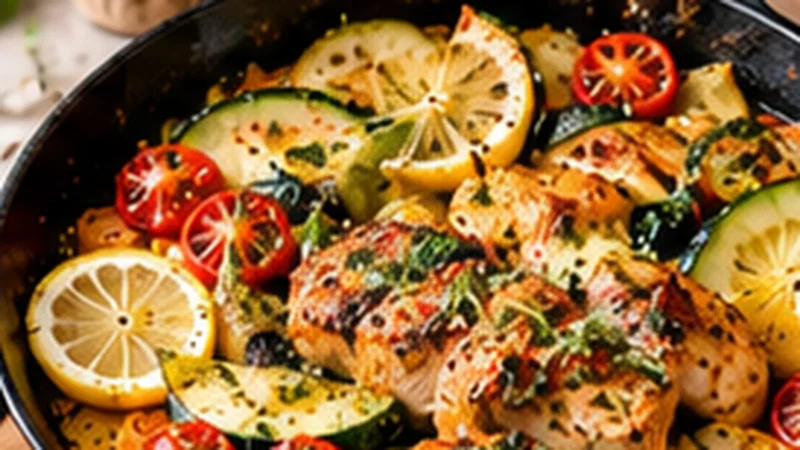
Lemon Chicken Zucchini Skillet
Slice 8 ounces chicken breast into even strips. Brown in 2 teaspoons olive oil with oregano and garlic, then add 2 cups zucchini and cherry tomatoes. Finish with lemon and parsley. Divide into two smaller servings. Add a spoonful of cooked quinoa or half a pita only if wanted.
Beef and Broccoli Stir-Fry for Two
Sear 8 ounces lean beef strips, remove briefly, then cook broccoli with ginger and a splash of water. Return the beef and add a light sauce of reduced-sodium soy sauce, rice vinegar and sesame oil. Serve in small bowls; family members can add rice separately.
Turkey Taco Skillet
Brown 8 ounces lean ground turkey with cumin, paprika and garlic. Add chopped peppers, tomatoes and a small portion of black beans. Finish with lime. Serve with avocado, yogurt or a few tortilla chips rather than automatically building a large burrito bowl.
Shrimp Spinach Tomato Skillet
Cook shrimp with garlic and cherry tomatoes, then fold in spinach until just wilted. Finish with lemon and feta. This works well when you want a fast, softer dinner without a large side.
Sheet-Pan Protein Dinners With Minimal Hands-On Time
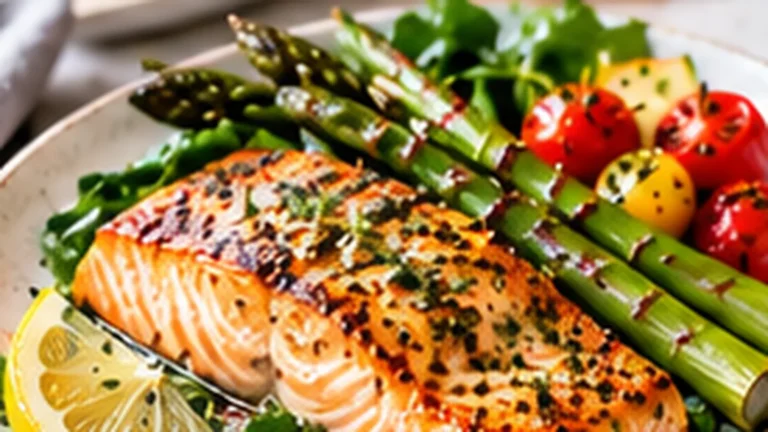
Salmon, Asparagus and Tomatoes
Arrange two small salmon portions with asparagus and cherry tomatoes. Brush lightly with olive oil, lemon and dill. Roast until the salmon reaches appropriate doneness and the vegetables are tender. If the asparagus is very thin, add it later so it does not overcook.
Chicken, Broccoli and Pepper Sheet Pan
Cut chicken and vegetables into similarly sized pieces. Season with smoked paprika, oregano and a small amount of olive oil. Spread in one layer. Crowding traps steam, so use a pan large enough for browning.
Tofu, Edamame and Cabbage Sheet Pan
Roast pressed tofu cubes and cabbage wedges with a ginger-soy glaze. Add thawed edamame near the end just to heat through. Finish with rice vinegar and sesame seeds.
For meat and poultry safety, verify doneness with a thermometer and use the USDA Safe Temperature Chart.
One-Pot Bowls, Soups and Saucy Meals
Chicken White-Bean Tomato Pot
Sauté diced chicken, then add white beans, crushed tomatoes, zucchini and Italian herbs. Simmer until the chicken is safely cooked and the sauce thickens. Finish with basil. Serve in a small bowl without needing a separate starch.
Turkey Red-Lentil Soup
Brown lean turkey, then add red lentils, carrots, tomatoes, broth and cumin. Simmer until the lentils soften. Red lentils thicken the soup, so you get a substantial texture without cream.
Ginger Tofu Edamame Bowl
Simmer mushrooms, cabbage and a small amount of broth with ginger and garlic. Add tofu and edamame near the end. Finish with soy sauce and rice vinegar. Keep broth modest if a large liquid volume feels difficult.
Vegetarian One-Pan High-Protein Meals
| Meal | Main protein | Cooking style |
|---|---|---|
| Tofu-edamame cabbage pan | Tofu + edamame | Sheet pan |
| Egg, spinach and cottage-cheese skillet | Eggs + cottage cheese | Skillet |
| White-bean tomato pot | Beans + optional Parmesan | One pot |
| Tempeh pepper skillet | Tempeh | Skillet |
| Red-lentil tomato soup | Lentils | One pot |
Vegetarian meals can become very bulky when they rely on large amounts of vegetables and beans. Use concentrated protein sources such as tofu, tempeh, edamame, eggs or dairy where appropriate, then add legumes in a quantity that suits the dish and your tolerance.
Cook for One or Two Without Drowning in Leftovers
One-pan recipes are easy to scale when you preserve ratios. Halve the protein, vegetables, sauce and starch together rather than cutting only one ingredient. Use a smaller skillet or sheet pan so a half recipe does not spread too thinly and burn.
| Original recipe | For a smaller batch |
|---|---|
| 1 pound protein / 4 servings | 8 ounces protein / about 2 servings |
| 4 cups vegetables | About 2 cups |
| ½ cup sauce | About ¼ cup, then adjust |
| Full sheet pan | Half sheet or smaller roasting pan |
Scaling cooking time is not always mathematical. A half batch may cook faster because the pan is less crowded, so check doneness early.
Minimal-Cleanup Shortcuts That Do Not Sacrifice Texture
- Line a sheet pan with parchment when appropriate for the recipe and appliance.
- Use pre-cut vegetables when they genuinely save effort.
- Mix a sauce in the serving bowl rather than dirtying a separate container.
- Cook ingredients in sequence instead of crowding them all into the pan at once.
- Use canned beans, pre-washed greens or frozen vegetables where texture remains appropriate.
- Finish with lemon, herbs or yogurt after cooking so fresh flavor does not require another saucepan.
Minimal cleanup should not mean minimal food safety. Keep raw meat separate from ready-to-eat ingredients, wash hands and utensils appropriately, and verify safe temperatures.
Choose the Pan Size Before You Choose the Recipe Size
A skillet that is too small traps steam and makes browning difficult; a sheet pan that is far too large can let a half recipe dry before the vegetables soften. For one or two servings, use cookware that keeps ingredients in a loose single layer without acres of empty metal. A 10-inch skillet, compact roasting pan or half sheet often works better than the largest pan in the kitchen. Pan material also matters: heavy metal holds heat differently from thin sheet pans, so use visual cues and doneness checks rather than treating timing as exact.
For saucy one-pot meals, choose a pot deep enough to simmer without splashing but not so large that a small amount of liquid spreads too shallowly and evaporates immediately.
Troubleshoot Common One-Pan Problems
| Problem | Cause | Fix |
|---|---|---|
| Everything is watery | Pan crowded or vegetables released liquid | Use a larger pan or cook in stages |
| Protein is dry | Protein finished before vegetables | Remove it temporarily or add it later |
| Vegetables are raw | Pieces too large or added too late | Cut smaller or give them a head start |
| Meal feels too rich | Sauce/fat dominates a small portion | Use a brighter, thinner sauce or less of it |
| Too many leftovers | Recipe not scaled | Use the one- or two-serving ratios above |
One Pan vs Air Fryer vs Slow Cooker: Choose by Time and Texture
| Method | Best fit |
|---|---|
| One pan | Complete protein-and-vegetable dinner with minimal cleanup |
| Air fryer | Small crisp protein portions and fast browning |
| Slow cooker | Tender, saucy, softer meals with little active cooking |
| No cook | Immediate assembly when cooking energy is near zero |
Use the method that solves tonight’s actual constraint. If eating remains difficult because of persistent symptoms or very low intake, contact your clinician rather than trying to solve the problem only by changing cookware.
For a broader collection of small-portion high-protein recipes, explore the GLP-1 High Protein Cookbook for Weight Loss. You can also browse Mayobook’s Fitness, Weight Loss & Body Transformation topic hub for related nutrition and body-composition resources.