
Mental Health & Emotional Wellbeing
Explore trusted books, guides, and insights designed to help you reduce stress, manage anxiety, and build emotional strength. Whether you're seeking clarity, calm, or long-term resilience, this topic brings together practical resources to support your mental wellbeing.

Books about Mental Health & Emotional Wellbeing
Explore all books →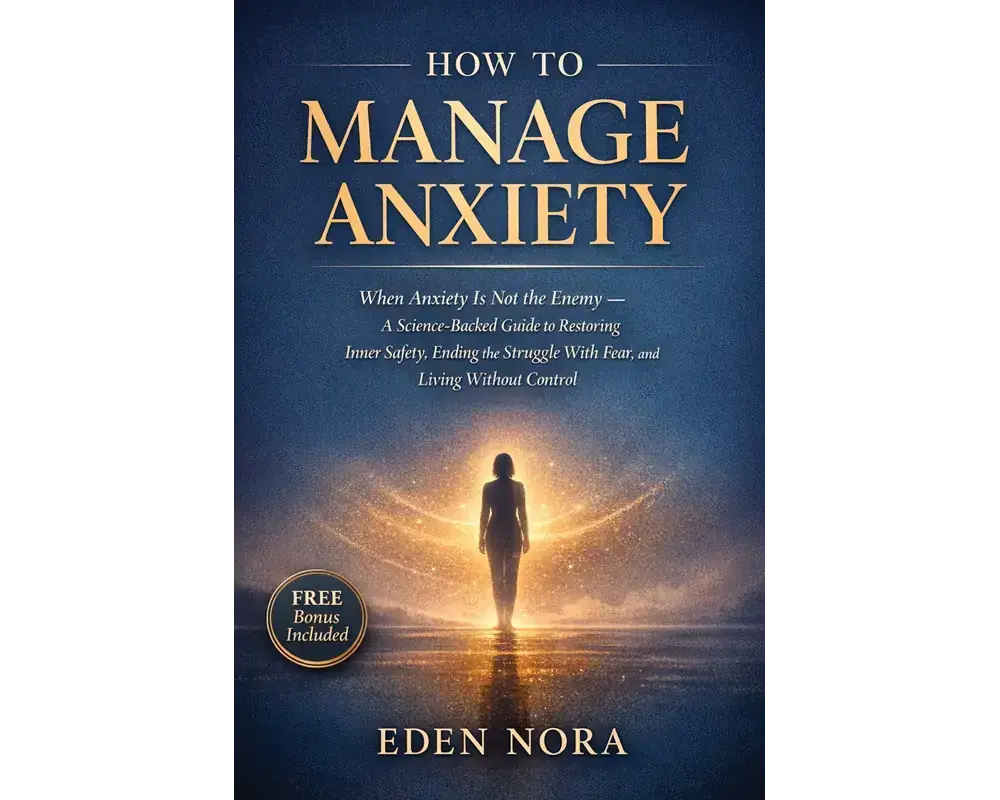
Latest guides for Mental Health & Emotional Wellbeing
Explore all guides → Somatic Exercises for the Vagus Nerve: What the Label Means and What May HelpSomatic vagus exercises usually combine body awareness, breathing, gentle movement and relaxation. This evidence-aware guide separates plausible effects from marketing claims and gives you…Read guide →
 Vagus Nerve Exercises Chart: A Practical Daily Routine by Goal and SafetyUse this evidence-aware vagus nerve exercises chart to choose a low-risk practice by goal, time and caution level. It organizes breathing, humming, movement and…Read guide →
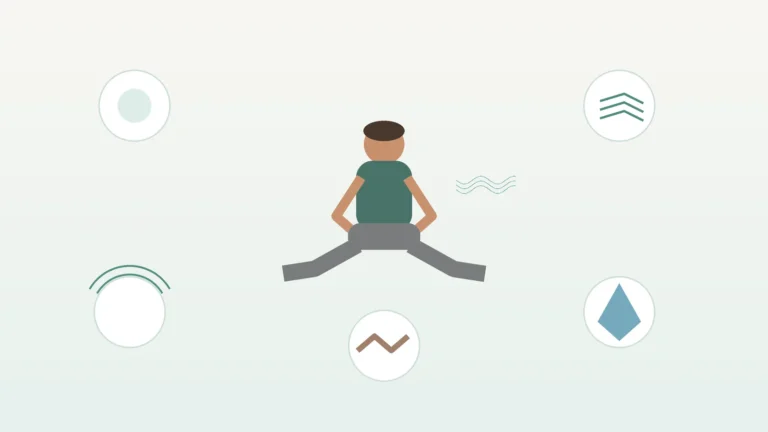 Vagus Nerve Exercises That Actually Work: Evidence vs. HypeNot every “vagus nerve exercise” has the same evidence. This guide ranks popular practices by what research actually supports, separates autonomic effects from “reset”…Read guide →
Mental health and emotional wellbeing are at the core of how we experience life, think, make decisions, and respond to challenges. When mental health is stable, everything feels more manageable. When it’s not, even simple tasks can feel overwhelming. This topic is designed to help you understand mental health more clearly and provide practical ways to improve emotional wellbeing using structured knowledge, proven techniques, and carefully selected resources.
Understanding Mental Health in Everyday Life
Mental health is not just about avoiding illness. It’s about how you think, how you feel, and how you function day to day. It affects your relationships, productivity, focus, and even physical health.
Many people assume mental health issues only apply to extreme conditions, but in reality, everyday experiences like stress, anxiety, burnout, and emotional fatigue are all part of the mental health spectrum. Recognizing this is the first step toward improvement.
Emotional wellbeing, on the other hand, is your ability to regulate emotions, stay balanced under pressure, and recover from setbacks. It’s not about always feeling good—it’s about being able to handle both good and difficult moments without losing stability.
Why Mental Health Is Becoming More Important
Modern life introduces constant mental strain:
- information overload
- digital distraction
- pressure to perform
- lack of rest
These factors make it harder to maintain clarity and emotional control. As a result, more people are actively seeking ways to improve mental health, not just treat problems.
This is where structured learning becomes powerful.
Books, guides, and well-organized knowledge can give you frameworks—not just advice. Instead of guessing what might help, you begin to follow proven systems for thinking, reacting, and improving.
The Role of Knowledge in Improving Mental Health
One of the most overlooked truths is this:
You can’t fix what you don’t understand.
Many people struggle with anxiety, stress, or negative thinking without knowing why it happens. When you begin to understand the patterns behind your thoughts and emotions, you gain control.
High-quality mental health resources typically focus on:
- identifying thought patterns
- building awareness
- restructuring negative thinking
- creating supportive habits
This is why reading the right material matters. It turns vague struggles into clear, manageable systems.
Practical Ways to Improve Emotional Wellbeing
Improving emotional wellbeing doesn’t require drastic changes. It requires consistent, small improvements.
Some of the most effective approaches include:
1. Awareness and Reflection
Taking time to observe your thoughts and reactions helps you identify patterns. Journaling, for example, is a simple but powerful tool that builds self-awareness.
2. Managing Stress Triggers
Stress is often tied to predictable triggers—work pressure, lack of rest, or uncertainty. Learning to identify and manage these triggers reduces their impact.
3. Building Healthy Mental Habits
Habits such as mindfulness, focused thinking, and limiting distractions create mental stability over time.
4. Structured Learning
Following a guide or book with a clear system helps you avoid confusion and stay consistent. This is especially important for long-term improvement.
Common Mistakes People Make
Many people try to improve mental health in ways that don’t work because they:
- rely on motivation instead of systems
- consume random advice without structure
- expect quick results
- ignore consistency
Mental health improvement is not instant. It’s a process that requires patience and clarity.
The Importance of Consistency
Consistency is more powerful than intensity.
Small actions repeated daily—like reflecting, reading, or applying simple techniques—create long-term change. This is why structured resources are so valuable. They provide a path you can follow instead of leaving you to figure things out alone.
How This Topic Hub Helps You
This topic hub brings together:
- Books that provide deep, structured insight
- Guides that simplify complex ideas into actionable steps
- Questions that address real concerns people face
- Comparisons that help you choose the right approach
Instead of searching randomly, everything is organized to help you learn faster and make better decisions.
Moving Forward
Improving mental health and emotional wellbeing is not about becoming perfect. It’s about becoming more aware, more balanced, and more capable of handling life as it comes.
If you start with the right knowledge and apply it consistently, meaningful improvement is not just possible—it’s inevitable.
Latest questions for Mental Health & Emotional Wellbeing
Explore all questions → Does Vagus Nerve Massage Work? Evidence, Limits, and Safety
Ordinary massage may support relaxation and can influence autonomic measures, but evidence does not show that you can simply “massage the vagus nerve” like…
Read answer →
Does Vagus Nerve Massage Work? Evidence, Limits, and Safety
Ordinary massage may support relaxation and can influence autonomic measures, but evidence does not show that you can simply “massage the vagus nerve” like…
Read answer →
 What Herbs Are Good for Digestion?
Herbs that are good for digestion work by supporting the body’s natural digestive processes, helping to reduce bloating, improve gut movement, and ease discomfort.…
Read answer →
What Herbs Are Good for Digestion?
Herbs that are good for digestion work by supporting the body’s natural digestive processes, helping to reduce bloating, improve gut movement, and ease discomfort.…
Read answer →
 What Herbs Help with Inflammation?
Herbs that help with inflammation work by supporting the body’s natural ability to regulate its inflammatory response rather than simply blocking it. While inflammation…
Read answer →
What Herbs Help with Inflammation?
Herbs that help with inflammation work by supporting the body’s natural ability to regulate its inflammatory response rather than simply blocking it. While inflammation…
Read answer →
Latest references for Mental Health & Emotional Wellbeing
Explore all references →
Latest comparisons for Mental Health & Emotional Wellbeing
Explore all comparisons →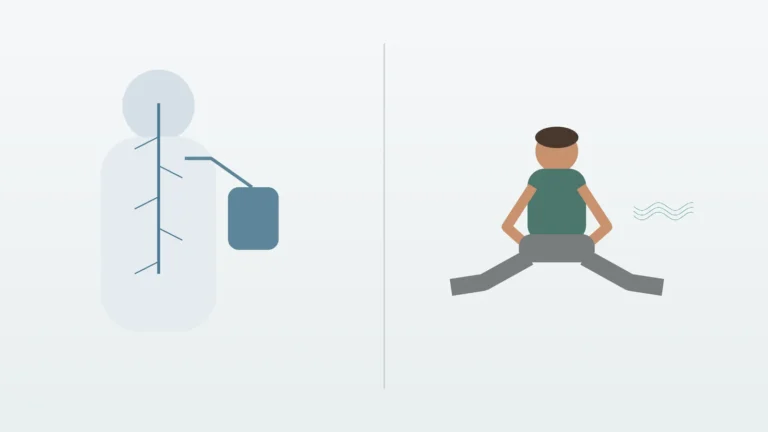
Latest articles for Mental Health & Emotional Wellbeing
Explore all articles →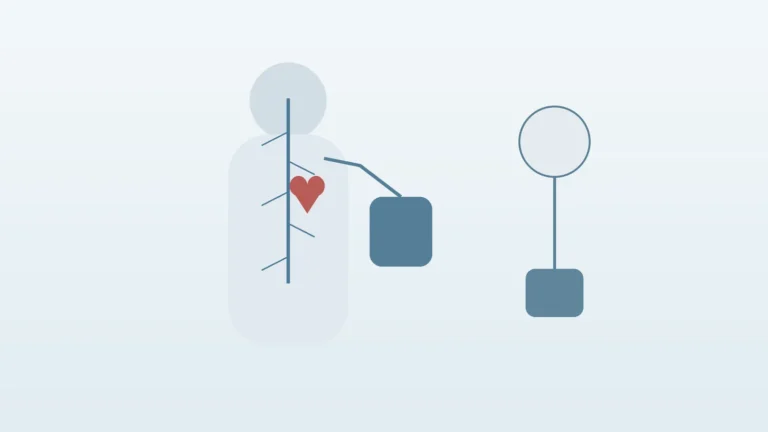 Vagus Nerve Stimulation: Clinical VNS, Noninvasive Methods, and Wellness Claims
Clinical vagus nerve stimulation uses electrical stimulation delivered by a medical device. Learn how implanted and noninvasive VNS differ, why evidence and regulatory status…
Read article →
Vagus Nerve Stimulation: Clinical VNS, Noninvasive Methods, and Wellness Claims
Clinical vagus nerve stimulation uses electrical stimulation delivered by a medical device. Learn how implanted and noninvasive VNS differ, why evidence and regulatory status…
Read article →
 Vagus Nerve Meditation: What It Is, How It May Help, and Evidence Limits
“Vagus nerve meditation” usually combines mindfulness, breathing and relaxation rather than a distinct clinical method. Learn what the evidence says, try a grounded 10-minute…
Read article →
Vagus Nerve Meditation: What It Is, How It May Help, and Evidence Limits
“Vagus nerve meditation” usually combines mindfulness, breathing and relaxation rather than a distinct clinical method. Learn what the evidence says, try a grounded 10-minute…
Read article →
 Vagus Nerve Yoga: What the Trend Means and What the Evidence Supports
“Vagus nerve yoga” is a wellness label, not a standardized medical protocol. Here is what the trend usually includes, what yoga and breathing research…
Read article →
Vagus Nerve Yoga: What the Trend Means and What the Evidence Supports
“Vagus nerve yoga” is a wellness label, not a standardized medical protocol. Here is what the trend usually includes, what yoga and breathing research…
Read article →
Latest audiobooks for Mental Health & Emotional Wellbeing
Explore all audiobooks →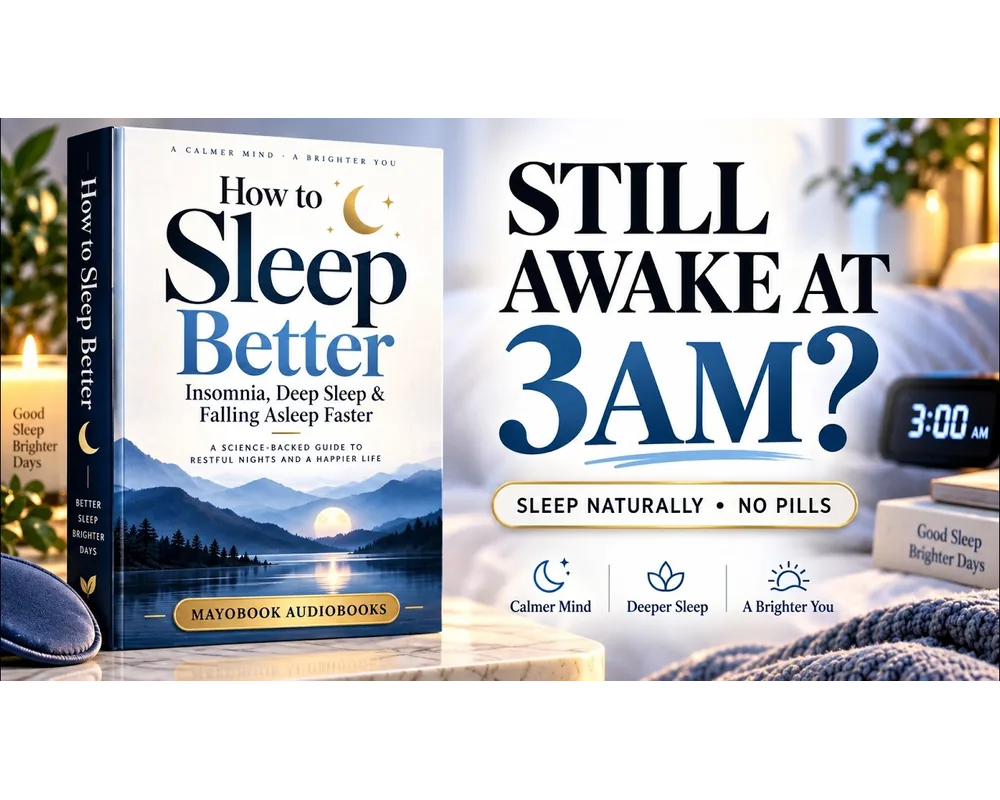 How to Sleep Better: Insomnia, Deep Sleep & Falling Asleep Faster | Full Audiobook
How to sleep better, manage insomnia, get more deep sleep, and fall asleep faster with evidence-based sleep science explained in one full audiobook. This…
Listen →
How to Sleep Better: Insomnia, Deep Sleep & Falling Asleep Faster | Full Audiobook
How to sleep better, manage insomnia, get more deep sleep, and fall asleep faster with evidence-based sleep science explained in one full audiobook. This…
Listen →
 How to Lower Cortisol Naturally: High Cortisol Symptoms & Cortisol Belly | Full Audiobook
How to lower cortisol naturally, understand high cortisol symptoms, reduce chronic stress, improve sleep, and learn what “cortisol belly” really means in this science-based…
Listen →
How to Lower Cortisol Naturally: High Cortisol Symptoms & Cortisol Belly | Full Audiobook
How to lower cortisol naturally, understand high cortisol symptoms, reduce chronic stress, improve sleep, and learn what “cortisol belly” really means in this science-based…
Listen →
 How to Overcome Social Anxiety: Stop Overthinking & Build Social Confidence | Full Audiobook
How to overcome social anxiety, stop overthinking conversations, overcome fear of judgment, and build real social confidence — explained in this practical, psychology-based full…
Listen →
How to Overcome Social Anxiety: Stop Overthinking & Build Social Confidence | Full Audiobook
How to overcome social anxiety, stop overthinking conversations, overcome fear of judgment, and build real social confidence — explained in this practical, psychology-based full…
Listen →
Frequently asked questions about Mental Health & Emotional Wellbeing
01What are the best books for improving mental health?
The best books for mental health focus on practical strategies for managing stress, anxiety, and emotional balance. Look for books that combine real-life examples with actionable techniques you can apply daily.
02How can I reduce stress and anxiety naturally?
Stress and anxiety can be reduced through consistent habits such as mindfulness, journaling, exercise, and better sleep. Many structured guides and books provide step-by-step methods to build these habits effectively.
03What is emotional wellbeing?
Emotional wellbeing is your ability to understand, manage, and respond to your emotions in a healthy way. It includes resilience, self-awareness, and the ability to stay balanced during challenges.
04Can reading books really improve mental health?
Yes, the right books can offer new perspectives, coping strategies, and mental frameworks that help you better manage thoughts and emotions when applied consistently.
05What are the signs of poor mental health?
Common signs include constant stress, anxiety, low mood, lack of motivation, poor sleep, and difficulty focusing. Recognizing these signs early allows you to take steps toward improvement.
06How do I start improving my mental health today?
Start with small, consistent actions such as journaling your thoughts, reducing overwhelm, and following a structured guide. Progress comes from daily improvements, not sudden changes.