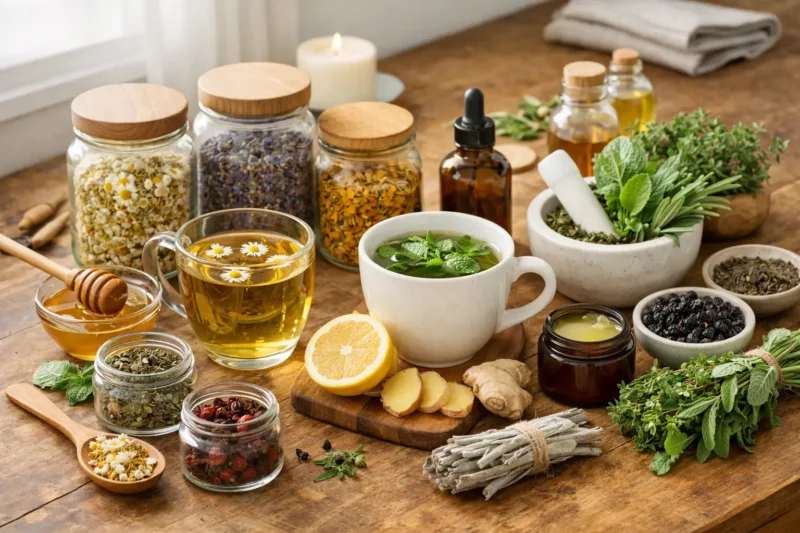
What Herbs Are Good for Digestion?

Digestive discomfort is one of the most common everyday issues—and the right herbs can make a noticeable difference.

Samuel Updated April 16, 2026 3 min read
Share this post:
What Herbs Are Good for Digestion?
Short answer

What current research and real use reveal

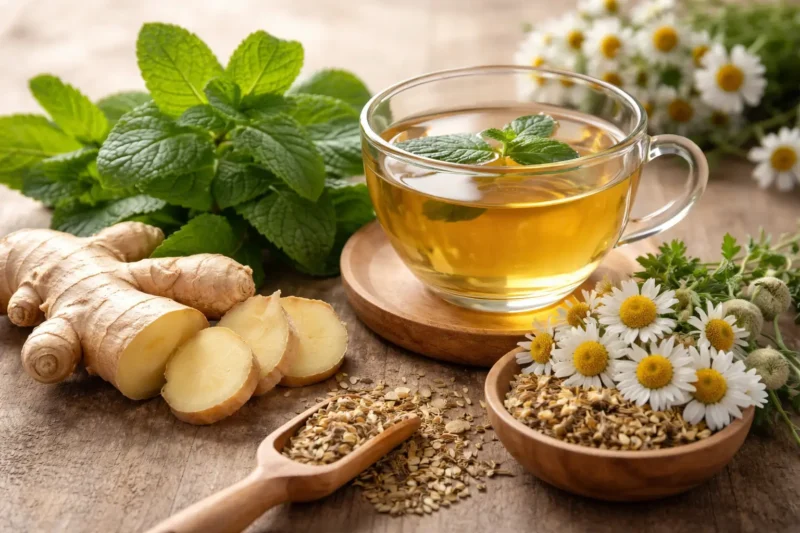
Herbs that are good for digestion include peppermint, ginger, chamomile, and fennel. These herbs help support digestion by reducing bloating, easing stomach discomfort, improving gut movement, and promoting overall digestive balance. When used correctly, they are among the most effective natural remedies for everyday digestive issues.

On this page

Start with the section that matches your intent now, then return to the full article when you want the complete picture.

Recommended next

Herbs that are good for digestion work by supporting the body’s natural digestive processes, helping to reduce bloating, improve gut movement, and ease discomfort. Digestive issues such as gas, indigestion, and stomach discomfort are extremely common, and herbal remedies are among the most widely used natural approaches for managing them.

Unlike pharmaceutical solutions that often focus on immediate symptom relief, herbal remedies tend to support digestion more holistically. They help the body process food more efficiently, regulate gut activity, and maintain balance over time.

Understanding which herbs are most effective—and how to use them—is key to getting real results.

Why Digestive Health Matters

The digestive system plays a central role in overall health.

It affects:

  • nutrient absorption
  • energy levels
  • immune function
  • overall comfort

When digestion is not functioning properly, it can lead to:

  • bloating
  • gas
  • discomfort
  • fatigue

Supporting digestion naturally is one of the most practical uses of herbal medicine.

How Herbs Support Digestion

Digestive herbs work in several ways:

1. Stimulating Digestive Processes

Some herbs help the body produce digestive enzymes and bile.

2. Relaxing the Digestive Tract

Certain herbs reduce tension in the gut, easing discomfort.

3. Reducing Gas and Bloating

Many herbs help reduce excess gas formation.

4. Supporting Gut Movement

Some herbs improve the movement of food through the digestive system.

The Best Herbs for Digestion

1. Peppermint — The Digestive Relief Herb

Peppermint is one of the most widely used herbs for digestion.

Benefits:

  • relieves bloating and gas
  • relaxes digestive muscles
  • provides quick comfort

Best use:

  • peppermint tea after meals

2. Ginger — The Digestive Activator

Ginger supports digestion and helps reduce discomfort.

Benefits:

  • improves digestion
  • reduces nausea
  • supports gut movement

Best use:

  • ginger tea or fresh ginger

3. Chamomile — Gentle Digestive Support

Chamomile supports both digestion and relaxation.

Benefits:

  • soothes the stomach
  • reduces stress-related digestion issues

4. Fennel — Gas and Bloating Relief

Fennel is often used for bloating and gas.

Benefits:

  • reduces gas buildup
  • supports digestion

When to Use Digestive Herbs

Digestive herbs are most helpful:

  • after meals
  • during discomfort
  • as part of daily routine

How to Use Digestive Herbs Effectively

1. Use after meals

Helps support digestion immediately.

2. Be consistent

Regular use improves results.

3. Choose simple preparations

Tea is often the best option.

Common Digestive Issues Herbs Can Help With

  • bloating
  • gas
  • indigestion
  • mild stomach discomfort

Lifestyle Still Matters

Herbs work best alongside:

  • balanced diet
  • proper hydration
  • stress management

Common Mistakes

  • using herbs only occasionally
  • expecting instant results
  • ignoring diet

When to Be Careful

Consult or use caution if:

  • severe digestive symptoms
  • chronic conditions
  • medication use

Final Perspective

Digestive herbs are some of the most effective and practical herbal remedies.

They are:

  • simple
  • accessible
  • effective when used correctly
Find your next best step

Use these two paths when you want the clearest immediate continuation—one for deeper guidance, one for the broader topic map.

Go deeper without losing the thread

What readers often get wrong

What most people misunderstand about this question

Most readers do not get stuck because the topic is too complex. They get stuck because they assume one herb, one dose, or one quick answer should solve every situation. In reality, the strongest results usually come from matching the right remedy to the right context and using it with consistency.

Build the full picture

When you want broader context around this answer, use these connected pages to expand your understanding across the full cluster.

See the wider answer landscape

Related questions readers ask next

FAQ

What herbs are good for digestion?

Herbs such as peppermint, ginger, chamomile, and fennel are widely used for digestion support. They help reduce bloating, ease discomfort, and improve gut function. These herbs are commonly used as teas and are most effective when used consistently and at the right time, such as after meals.

What is the best herb for bloating and gas?+

Peppermint is often considered one of the best herbs for bloating and gas because it helps relax digestive muscles and reduce discomfort quickly.

Do digestive herbs work immediately?+

Some digestive herbs, such as peppermint and ginger, can provide noticeable relief within a short time, especially when used after meals. However, long-term digestive health improves with consistent use.

Can I take digestive herbs daily?+

Yes, many digestive herbs like ginger and chamomile can be used daily in moderate amounts. However, balance and proper use are important.

What causes poor digestion that herbs can help with?+

Poor digestion can be caused by diet, stress, and lifestyle factors. Herbs help by supporting natural digestive processes and improving gut function.

Are herbal remedies for digestion safe?+

Most commonly used digestive herbs are safe when used properly. However, safety depends on dosage, preparation, and individual health conditions.

Final thought

Better digestion is not always about doing more—it’s often about using the right simple tools consistently.

Explore the full topic