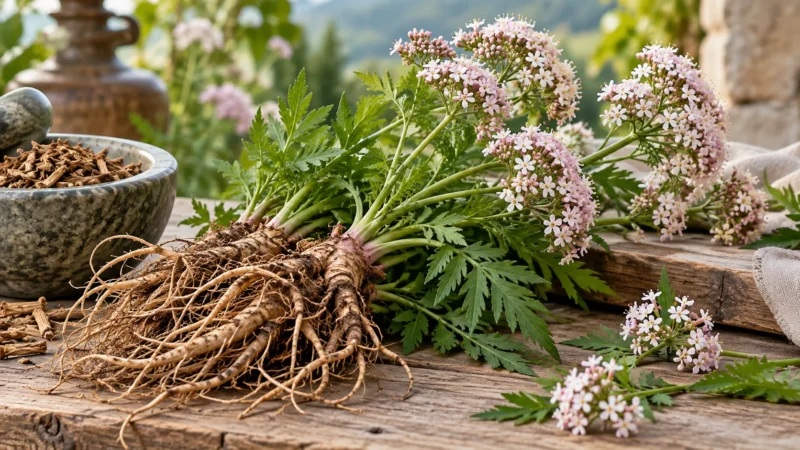

Are Herbal Remedies Effective?

People don’t just want to know what herbal remedies are—they want to know if they actually work.

Melissa Updated April 16, 2026 4 min read
Share this post:
Are Herbal Remedies Effective?
Short answer

What science and practical results actually show

Herbal remedies can be effective when used correctly, especially for mild conditions, long-term wellness, and supporting the body’s natural processes. Their effectiveness depends on the type of herb, how it is prepared, the dosage, and consistency of use. While they may not replace modern medicine in serious cases, many herbs have demonstrated real benefits in areas such as digestion, stress, inflammation, and immune support.

On this page

Start with the section that matches your intent now, then return to the full article when you want the complete picture.

Recommended next

Herbal remedies can be effective when used correctly, but their effectiveness depends on how they are used, what they are used for, and what expectations people have. Unlike pharmaceutical drugs that are designed to produce fast, targeted results, herbal medicine works by supporting the body’s natural systems over time. This difference often leads to confusion about whether herbal remedies “actually work.”

The reality is more nuanced. Herbal remedies are not ineffective—they are simply different. When understood properly, they can provide meaningful support for many aspects of health, especially in areas such as digestion, stress, inflammation, and immune function.

What “Effective” Really Means in Herbal Medicine

To understand whether herbal remedies are effective, we first need to define what effectiveness means.

For pharmaceutical medicine, effectiveness often means:

  • fast symptom relief
  • measurable short-term outcomes

For herbal medicine, effectiveness often means:

  • improved system function
  • gradual symptom improvement
  • long-term balance and resilience

This difference in expectations is where most misunderstandings begin.

How Herbal Remedies Work in Practice

Herbal remedies work through plant compounds that interact with the body’s systems.

They may:

  • support immune response
  • regulate digestion
  • influence stress and mood
  • help manage inflammation

Unlike drugs that target a single pathway, herbs often work across multiple systems at once.

This makes them:

  • less aggressive
  • more adaptable
  • slower but broader in effect

Areas Where Herbal Remedies Are Most Effective

1. Digestive Health

Herbs like ginger and peppermint are widely used for digestion.

They can:

  • reduce bloating
  • improve gut movement
  • relieve discomfort

These are areas where herbal remedies often work quickly and reliably.

2. Stress and Anxiety

Herbs such as chamomile support the nervous system.

They help:

  • promote relaxation
  • improve sleep
  • reduce stress impact

3. Inflammation Support

Herbs like turmeric are used to support inflammation balance.

This is particularly important for:

  • joint health
  • long-term wellness

4. Immune Support

Garlic and echinacea are commonly used for immune support.

They may:

  • support immune response
  • help during seasonal illness

What Science Says About Herbal Remedies

Scientific research on herbal medicine is growing.

Some herbs, such as turmeric and ginger, have been widely studied.

Research suggests:

  • certain plant compounds have measurable biological effects
  • herbs can influence inflammation, digestion, and immune function

However:

  • not all herbs are equally studied
  • effectiveness can vary

This does not invalidate herbal medicine—it highlights the importance of correct use.

Why Some People Think Herbal Remedies Don’t Work

1. Incorrect Use

Using the wrong herb for the wrong purpose.

2. Inconsistent Use

Herbs often require regular use.

3. Unrealistic Expectations

Expecting instant results like pharmaceutical drugs.

4. Poor Quality Products

Low-quality herbs reduce effectiveness.

Herbal Remedies vs Modern Medicine

This comparison often leads to confusion.

Herbal Medicine:

  • gradual
  • supportive
  • long-term

Modern Medicine:

  • fast
  • targeted
  • critical for serious conditions

Both are useful—but for different situations.

When Herbal Remedies Work Best

Herbal remedies are most effective for:

  • mild conditions
  • daily wellness
  • preventive care
  • long-term support

When They May Not Be Enough

Herbal remedies are not ideal for:

  • severe infections
  • emergencies
  • advanced medical conditions

In these cases, medical care is necessary.

How to Get the Best Results from Herbal Remedies

1. Choose the right herb

Match it to your need.

2. Use proper preparation

Tea, tincture, or food form matters.

3. Be consistent

Regular use is key.

4. Keep it simple

Avoid overcomplication.

Final Perspective

Herbal remedies are effective—but not in the way many people expect.

They work best when:

  • used consistently
  • matched correctly
  • understood properly

The real advantage is not speed—but sustainability.
Find your next best step

Use these two paths when you want the clearest immediate continuation—one for deeper guidance, one for the broader topic map.

Take the next step with clarity

What readers often get wrong

What most people misunderstand about this question

Most readers do not get stuck because the topic is too complex. They get stuck because they assume one herb, one dose, or one quick answer should solve every situation. In reality, the strongest results usually come from matching the right remedy to the right context and using it with consistency.

Build the full picture

When you want broader context around this answer, use these connected pages to expand your understanding across the full cluster.

Explore the most relevant next reads

Related questions readers ask next

FAQ

Are herbal remedies effective?

Herbal remedies can be effective when used correctly, especially for mild health concerns and long-term wellness support. Their effectiveness depends on factors such as the herb used, dosage, preparation method, and consistency. While they may not provide immediate results like pharmaceuticals, many herbs support the body’s natural systems in ways that contribute to gradual and sustainable improvements in health.

Do herbal remedies really work or is it a placebo?+

Herbal remedies are not purely placebo. Many herbs contain biologically active compounds that have measurable effects on the body. Scientific research has shown that certain herbs can influence inflammation, digestion, and immune response. However, the effectiveness can vary depending on the quality of the herb, how it is used, and individual differences.

How long does it take for herbal remedies to be effective?+

The timeline varies depending on the herb and the condition being addressed. Some herbs, such as peppermint or ginger, may provide relief within hours, while others require consistent use over days or weeks. Herbal medicine generally works gradually, building its effects over time rather than producing instant results.

What conditions do herbal remedies work best for?+

Herbal remedies are most effective for mild conditions and ongoing wellness support. These include digestive issues, stress and anxiety, sleep difficulties, inflammation-related discomfort, and immune support. They are less suitable for severe or acute medical conditions that require immediate intervention.

Why do herbal remedies sometimes not work?+

Herbal remedies may not work if they are used incorrectly, such as choosing the wrong herb, using the wrong dosage, or not using them consistently. Poor-quality products and unrealistic expectations can also reduce perceived effectiveness. Understanding how herbal medicine works is key to achieving results.

Can herbal remedies replace modern medicine completely?+

Herbal remedies are not a complete replacement for modern medicine. They are best used as supportive tools for everyday health and mild conditions. In serious or emergency situations, modern medical care is essential. A balanced approach that uses both appropriately is often the most effective.

Final thought

Herbal remedies are not ineffective—they are often misunderstood.

Explore the full topic