
Curcumin
Curcumin is the primary active compound in turmeric and is responsible for its strong anti-inflammatory and antioxidant effects. It helps regulate inflammatory pathways in the body and supports long-term health.
Turmeric explained clearly—how it reduces inflammation, supports joint health, and strengthens the body over time.
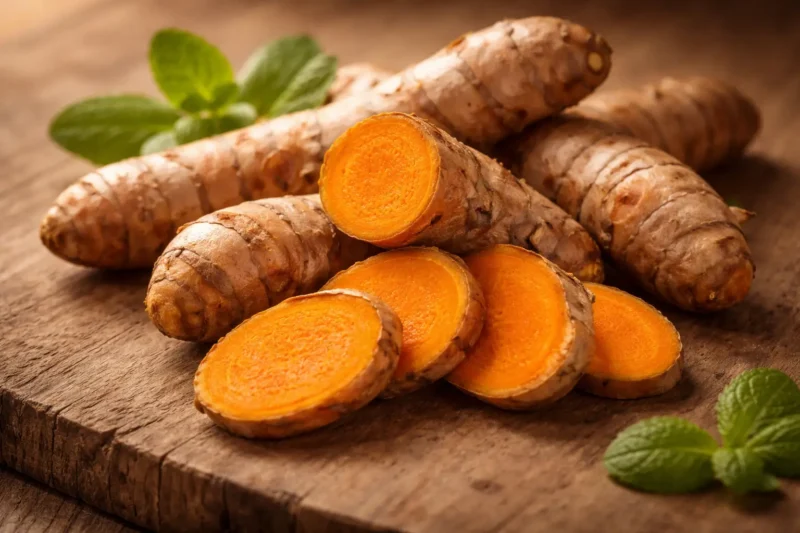
Turmeric is a medicinal root derived from Curcuma longa, widely used for its anti-inflammatory and antioxidant properties.
Turmeric has been used for centuries in traditional medicine systems, particularly for reducing inflammation and supporting long-term health. It is commonly used for joint discomfort, digestive support, and general wellness.
Unlike fast-acting remedies, turmeric works gradually. Its value comes from consistent use over time, making it one of the most important herbs for long-term health support.
Use this map to move through the concept in a clear order: meaning, mechanism, use, and wider context.
Turmeric is one of the most widely recognized medicinal herbs in the world, known for its powerful anti-inflammatory and antioxidant properties. Derived from the root of Curcuma longa, it has been used for centuries in traditional medicine to support overall health and reduce chronic discomfort.
Unlike fast-acting remedies, turmeric works gradually. Its true value lies in consistent use, where its effects build over time to support the body’s natural balance.
Turmeric is often considered a foundational herb because of its ability to influence multiple systems in the body. It is not limited to a single use but instead supports:
This broad range of effects makes it a core component of many herbal protocols.
Turmeric’s primary active compound, curcumin, plays a central role in its effectiveness. It works by:
These actions make turmeric particularly valuable for long-term health support.
Inflammation is a natural response in the body, but chronic inflammation can lead to ongoing discomfort and health issues.
Turmeric helps regulate this process, making it useful for:
Its effects are not immediate but become more noticeable with consistent use.
Turmeric is widely used to support joint health. It is often included in routines aimed at improving mobility and reducing stiffness.
This makes it particularly useful for:
Oxidative stress can damage cells over time. Turmeric’s antioxidant properties help protect against this damage, supporting long-term health and resilience.
Turmeric can be easily incorporated into daily routines. It can be:
Because it works gradually, consistency is key.
One limitation of turmeric is its low natural absorption. Combining it with black pepper significantly enhances its effectiveness.
This is an important consideration for anyone using turmeric regularly.
Turmeric is generally safe when used in moderate amounts. However:
Being mindful of dosage ensures safe and effective use.
Turmeric is not a quick fix. It is a long-term ally.
Used consistently, it supports the body in maintaining balance, reducing inflammation, and promoting overall well-being.
Curcumin is the primary active compound in turmeric and is responsible for its strong anti-inflammatory and antioxidant effects. It helps regulate inflammatory pathways in the body and supports long-term health.
This compound contributes to turmeric’s overall anti-inflammatory effects and supports cellular protection against oxidative stress.
This compound enhances turmeric’s antioxidant capacity and works alongside curcumin to support overall effectiveness.
These compounds support absorption and contribute to turmeric’s broader health effects, including digestive and immune support.
Turmeric is not primarily used for immediate symptom relief like ginger—it is best known for long-term inflammation regulation and systemic support.
Use these connected pages for the next step.
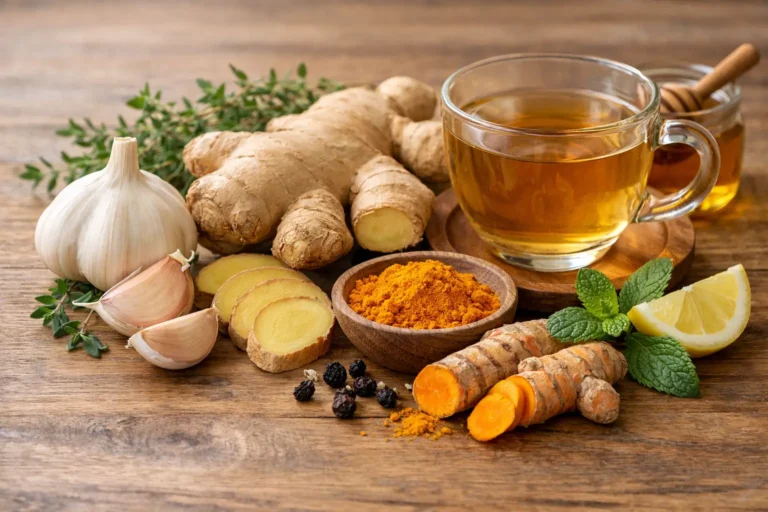


The Herbal Remedies Encyclopedia is a comprehensive reference designed for anyone who wants to understand ...…
Explore booksWhen the overview is clear but practical application still matters, this deeper resource shows how the concept fits into a complete framework and how to use it well.
Turmeric works slowly—but its effects compound over time.