
Allicin
Allicin is the primary active compound in garlic responsible for its antimicrobial effects. It is formed when garlic is crushed or chopped and plays a key role in inhibiting bacteria, fungi, and other harmful microorganisms.
Garlic explained clearly—its antimicrobial strength, heart health benefits, and how to use it safely in everyday life.
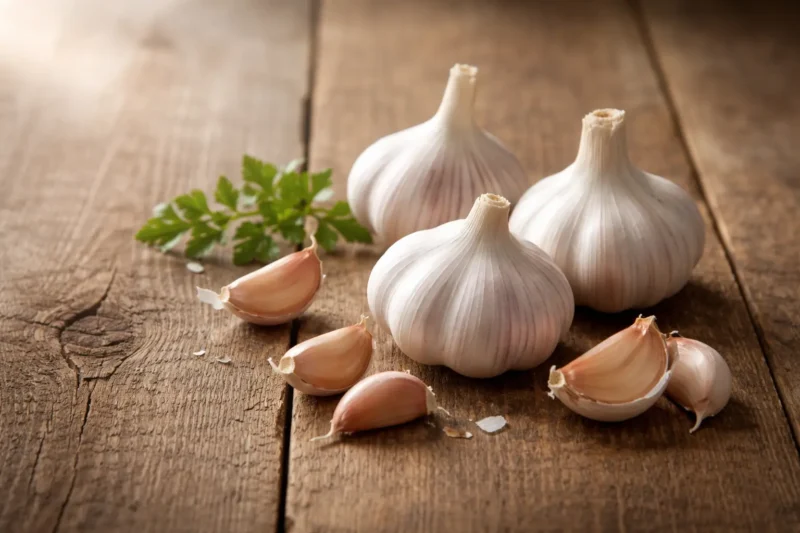
Garlic is a medicinal herb derived from the bulb of Allium sativum, widely used for its antimicrobial, immune-supporting, and cardiovascular health benefits.
Garlic is one of the most widely used natural remedies in both traditional and modern herbal medicine. It is commonly used to support immune health, help manage infections, and promote cardiovascular wellness.
If you’re considering garlic as a natural remedy, it’s important to understand that its effectiveness depends on how it is prepared and used. Fresh garlic, in particular, contains active compounds that are only released when it is crushed or chopped.
Use this map to move through the concept in a clear order: meaning, mechanism, use, and wider context.
Garlic is one of the most widely used and studied medicinal herbs in the world. Known scientifically as Allium sativum, it has been used for centuries across cultures for its powerful health-supporting properties. Today, it remains a staple in both traditional remedies and modern wellness practices.
What makes garlic unique is its versatility. It is not only a culinary ingredient but also a medicinal tool that can support multiple systems in the body, including the immune system, cardiovascular system, and digestive system.
The strength of garlic lies in its chemical composition. When garlic is crushed or chopped, it releases allicin, a compound responsible for many of its health benefits. This process is essential—without it, garlic loses much of its medicinal value.
Garlic’s compounds do not target just one system. Instead, they influence multiple processes, including microbial balance, circulation, and inflammation.
Garlic works through several mechanisms:
This combination of effects makes it one of the most versatile herbs in natural medicine.
Garlic is widely used to support immune function, particularly during times of increased stress or exposure to illness. It does not act as a quick fix but rather as a supportive tool that helps the body function more effectively.
Many people incorporate garlic into their diet regularly as a preventative measure, while others use it more intentionally during periods of illness.
One of the most researched benefits of garlic is its impact on cardiovascular health. It has been associated with:
These effects make it a common addition to heart health routines.
Garlic can be used in several ways:
However, not all forms are equal. Fresh garlic tends to provide the most active compounds.
Garlic is generally safe, but it is not without risks. Overconsumption can lead to digestive discomfort, and its blood-thinning properties can interact with medications.
Using garlic responsibly means:
Garlic is one of the simplest yet most powerful herbs available. Its effectiveness comes not from complexity, but from consistency and proper use.
When used correctly, it becomes more than just a food—it becomes a foundation for natural health.
Allicin is the primary active compound in garlic responsible for its antimicrobial effects. It is formed when garlic is crushed or chopped and plays a key role in inhibiting bacteria, fungi, and other harmful microorganisms.
Garlic contains a variety of sulfur-based compounds that contribute to its health benefits, including immune support and cardiovascular effects. These compounds help improve circulation and support overall body function.
Ajoene is a compound formed from allicin and is associated with garlic’s antifungal and blood-thinning properties. It contributes to garlic’s role in supporting heart health and circulation.
These compounds support detoxification processes and contribute to garlic’s long-term protective effects, particularly in cardiovascular and metabolic health.
Garlic’s effectiveness depends heavily on preparation—raw or properly crushed garlic activates its most powerful compounds, while processed forms may significantly reduce its potency.
Use these connected pages for the next step.
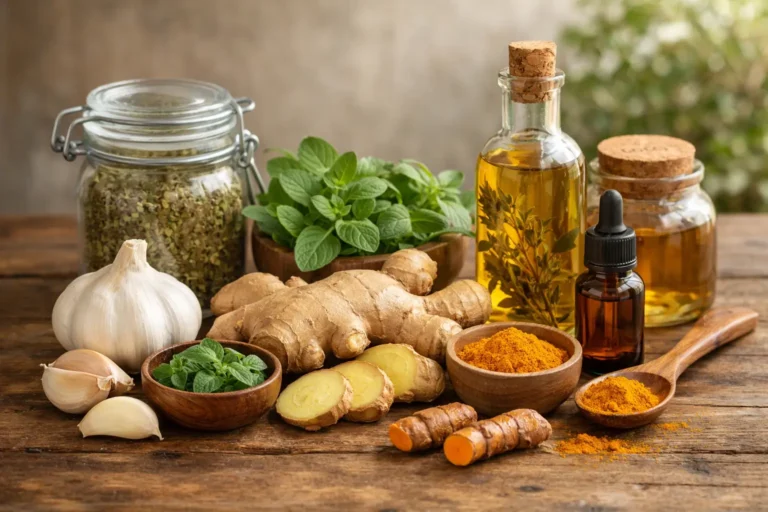
Discover natural antibiotics in herbal medicine, including powerful…
Read next
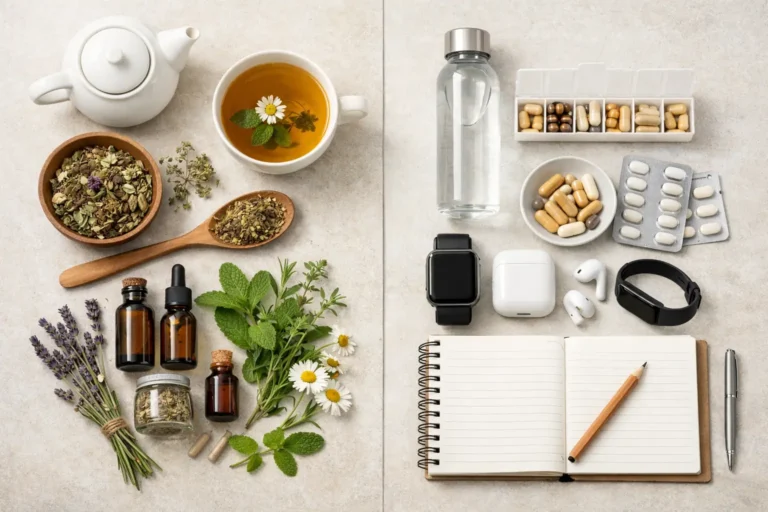
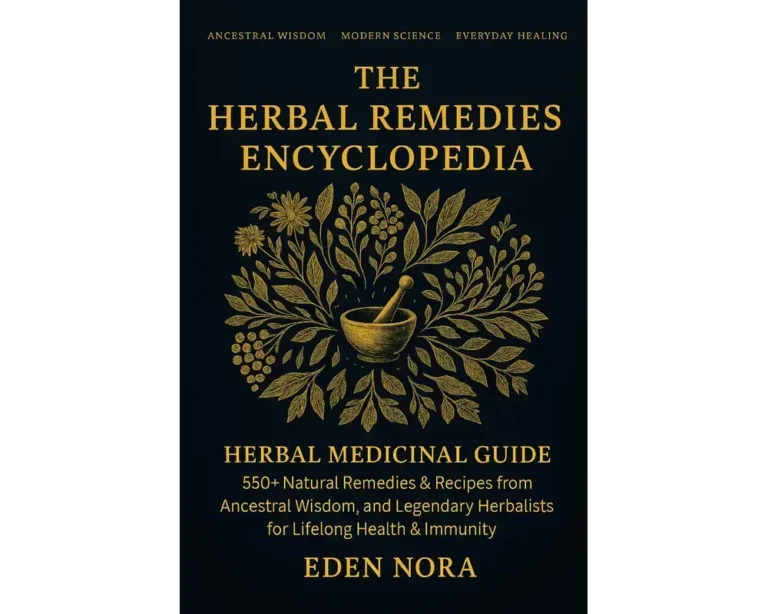
The Herbal Remedies Encyclopedia is a comprehensive reference designed for anyone who wants to understand ...…
Explore booksWhen the overview is clear but practical application still matters, this deeper resource shows how the concept fits into a complete framework and how to use it well.
Garlic is simple, accessible, and powerful—but its real strength lies in how it is used.