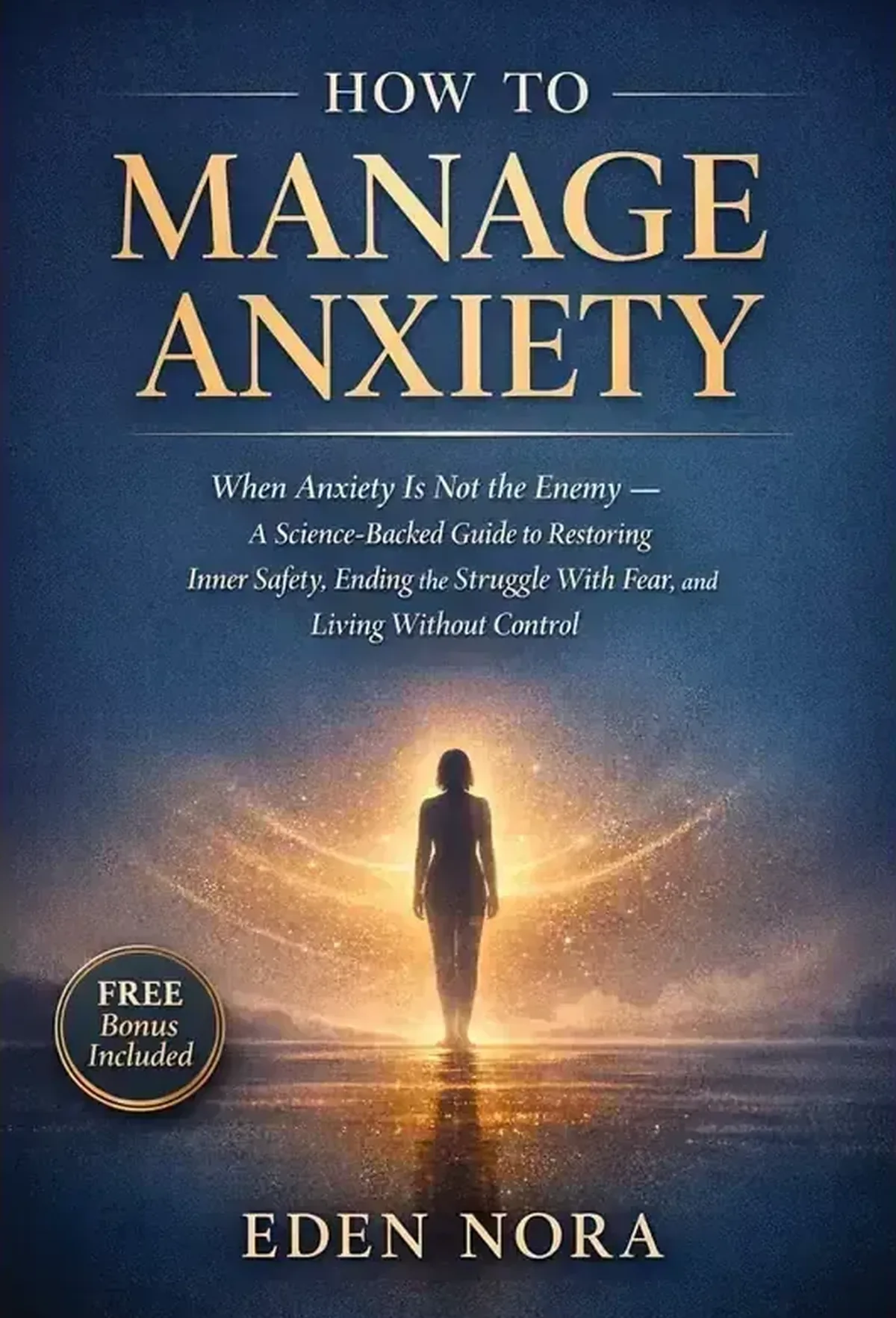
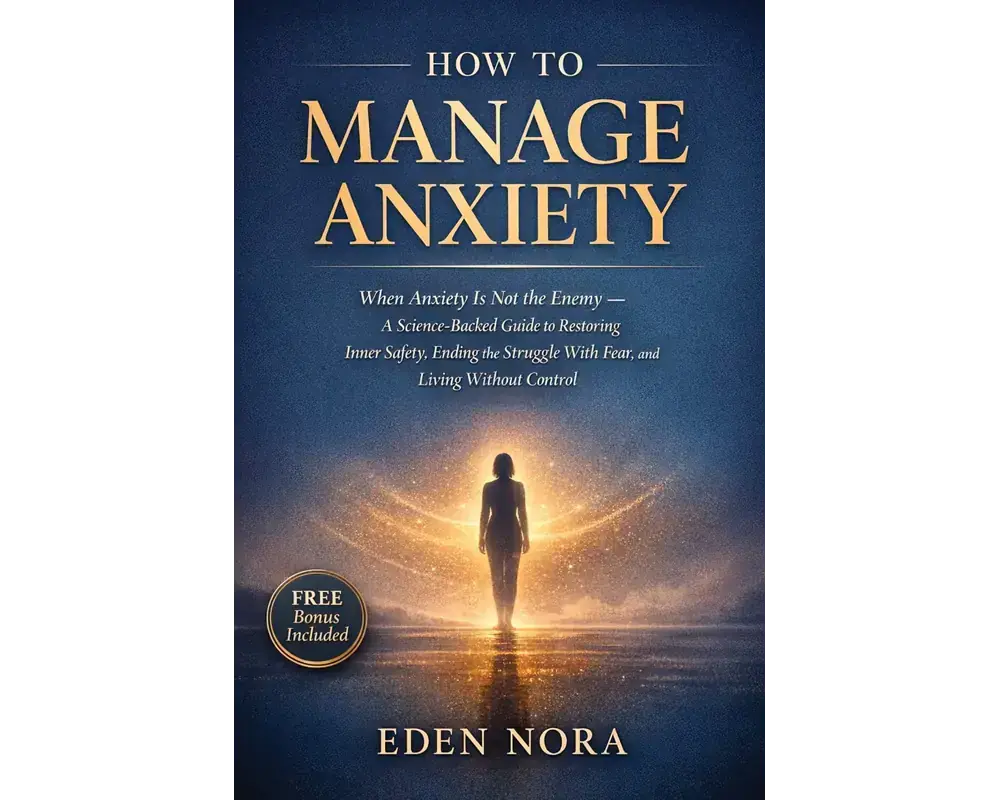
When worry begins to occupy more of your attention than the situation in front of you, the effort to feel certain can become exhausting. How to Manage Anxiety: When Anxiety Is Not the Enemy explores a compassionate approach to understanding fear, overthinking, avoidance and the urge to control every outcome.
Examine the struggle with uncertainty
Anxiety is a normal human response, although it can become persistent, disproportionate or disruptive. The book considers how attempts to eliminate uncomfortable feelings or obtain constant reassurance may sometimes reinforce anxious patterns. Its focus is on recognizing those patterns rather than treating every anxious thought as a personal failure or evidence of a damaged nervous system.
Develop a more flexible response to anxious experiences
The guide introduces grounding, calming practices, emotional awareness and reflection on habitual responses to fear. These topics invite readers to notice what happens when they encounter uncertainty and to consider alternative responses. Some techniques may not suit every reader; a practice that increases distress can be stopped or adapted.
Keep self-help within the context of effective care
The National Institute of Mental Health’s guide to generalized anxiety disorder explains that anxiety disorders can be treated with psychotherapy, medication or both. Cognitive behavioral therapy is one established option. This book’s educational exercises are not equivalent to a professionally delivered course of treatment, and its effectiveness as a complete program has not been independently established.
If worry, panic, avoidance or sleep difficulties interfere with everyday life, seek appropriate professional assessment. New or severe physical symptoms should not automatically be attributed to anxiety.
Read with curiosity rather than pressure
Choose this title for its emphasis on acceptance, fear-driven control habits and self-compassion. Unlike a guide organized principally around vagus nerve practices, it places anxious thought patterns and emotional responses at the center of the discussion. It offers a supportive reading companion for exploring a different relationship with uncertainty, not a promise of instant relief or a substitute for medical or mental health care.