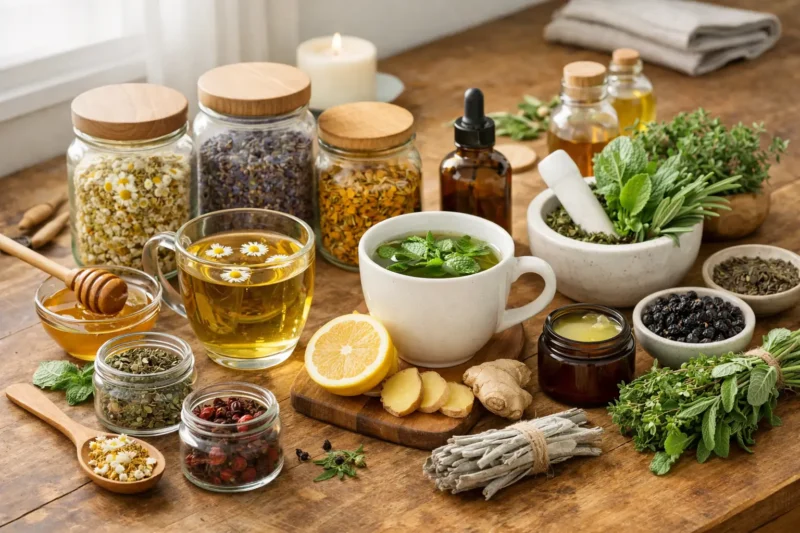
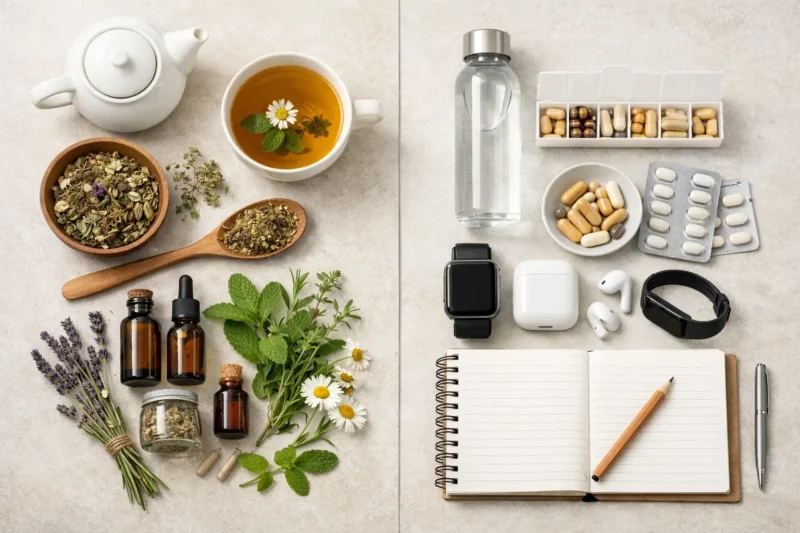
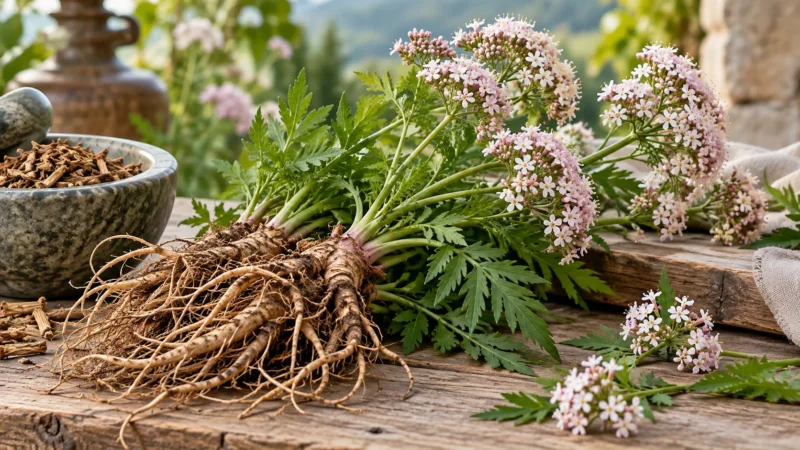
Herbs that help with stress and anxiety work by supporting the nervous system, promoting relaxation, and helping the body regulate its response to stress. While they do not eliminate stress entirely, they can make it easier for the body and mind to return to a calm and balanced state.
Stress and anxiety are not just mental experiences—they are physical responses involving hormones, the nervous system, and overall body function. This is why herbal remedies can be effective: they interact with these systems directly.
Understanding which herbs help—and how to use them—can make a significant difference in managing everyday stress.
How Stress and Anxiety Affect the Body
Stress activates the body’s “fight or flight” response.
This can lead to:
- increased heart rate
- muscle tension
- digestive disruption
- sleep problems
When stress becomes chronic, it can affect:
- mood
- energy levels
- overall health
Herbs help by supporting the body’s ability to return to balance.
How Herbs Help with Stress and Anxiety
Herbs support the nervous system by:
- promoting relaxation
- reducing stress signals
- supporting sleep
- balancing mood
Unlike pharmaceuticals, herbal remedies typically:
- work gradually
- support multiple systems
- build resilience over time
The Best Herbs for Stress and Anxiety
1. Chamomile — The Gentle Calming Herb
Chamomile is traditionally used for relaxation, but results from clinical research on anxiety are limited and do not establish it as a replacement for treatment. For a broader view of what is known, see whether herbal remedies are effective.
Benefits:
- promotes calm
- supports sleep
- reduces mild anxiety
Best use:
- herbal tea
2. Peppermint — Cooling and Soothing
Peppermint supports both digestion and relaxation.
Benefits:
- reduces tension
- provides a calming effect
3. Lavender — The Relaxation Herb
Lavender is commonly used for stress relief.
Benefits:
- promotes relaxation
- supports sleep
4. Adaptogenic Herbs (e.g., Ashwagandha)
Adaptogens help the body adapt to stress.
Benefits:
- supports stress resilience
- helps regulate stress response
Immediate vs Long-Term Support
Immediate calming:
- chamomile
- peppermint
Long-term support:
- adaptogenic herbs
How to Use Herbs for Stress
1. Daily routine
Individual responses vary, and taking an herb longer does not guarantee better results. For practical preparation methods, read how to prepare and use herbal remedies.
2. Evening use
Supports relaxation and sleep.
3. Simple preparations
Tea is effective and accessible.
Lifestyle Still Matters
Herbs work best alongside:
- sleep
- nutrition
- stress management habits
Common Mistakes
- expecting instant results
- inconsistent use
- overcomplicating
When to Be Careful
Herbs can cause side effects or interact with prescribed medications, including medicines used for anxiety. Review herbal medicine safety and dosage before trying supplements, and seek qualified care if anxiety is persistent or disrupts daily life.
Use caution if:
- severe anxiety
- medication use
- underlying conditions
Final Perspective
Herbs do not remove stress—but they help you handle it better.
That is where their real value lies.