
Herbal Medicine
Herbal medicine is one of the oldest and most effective systems of healing in the world. Long before modern pharmaceuticals, plants were used to fight infection, reduce inflammation, and restore balance to the body. Today, interest in natural remedies is rising again—not as a trend, but as a return to methods that work with the body rather than against it. This hub gives you a clear path forward. Instead of scattered information, you’ll find a structured journey—from understanding how herbal medicine works to knowing how to apply it in real situations with confidence.
Books about Herbal Medicine
Explore all books →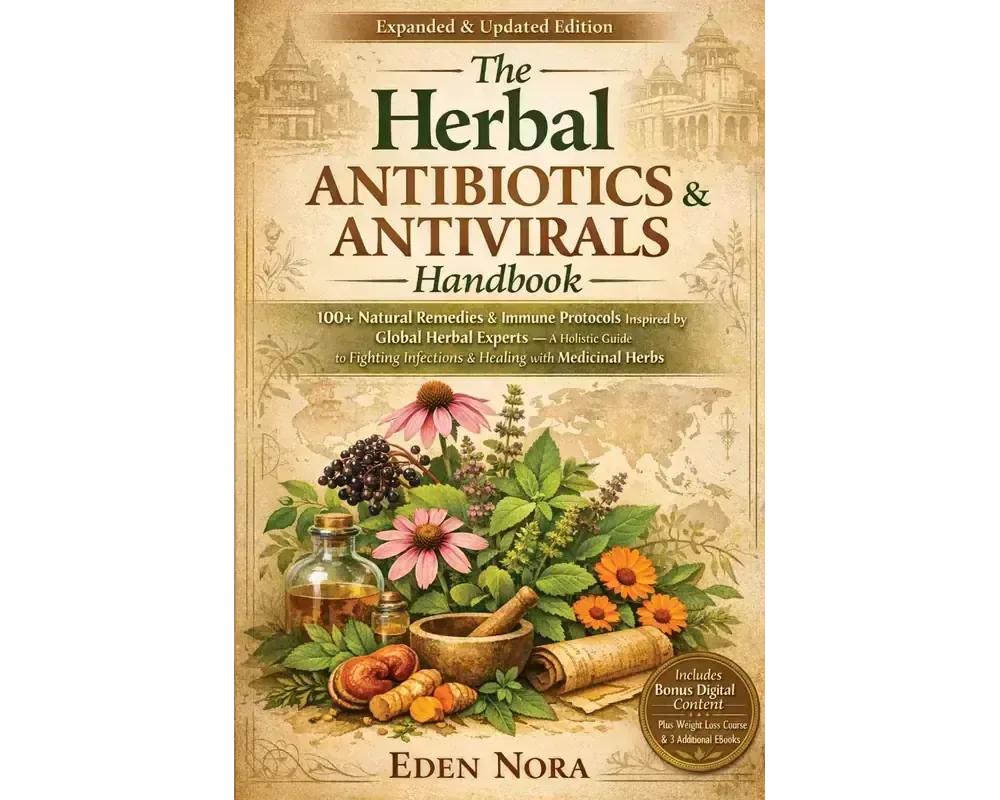 Herbal Antibiotics and Antivirals Handbook (Expanded)
Herbal Antibiotics and Antivirals Handbook is a trusted herbal medicine guide featuring 100+ natural remedies inspired by global…
View book →
Herbal Antibiotics and Antivirals Handbook (Expanded)
Herbal Antibiotics and Antivirals Handbook is a trusted herbal medicine guide featuring 100+ natural remedies inspired by global…
View book →
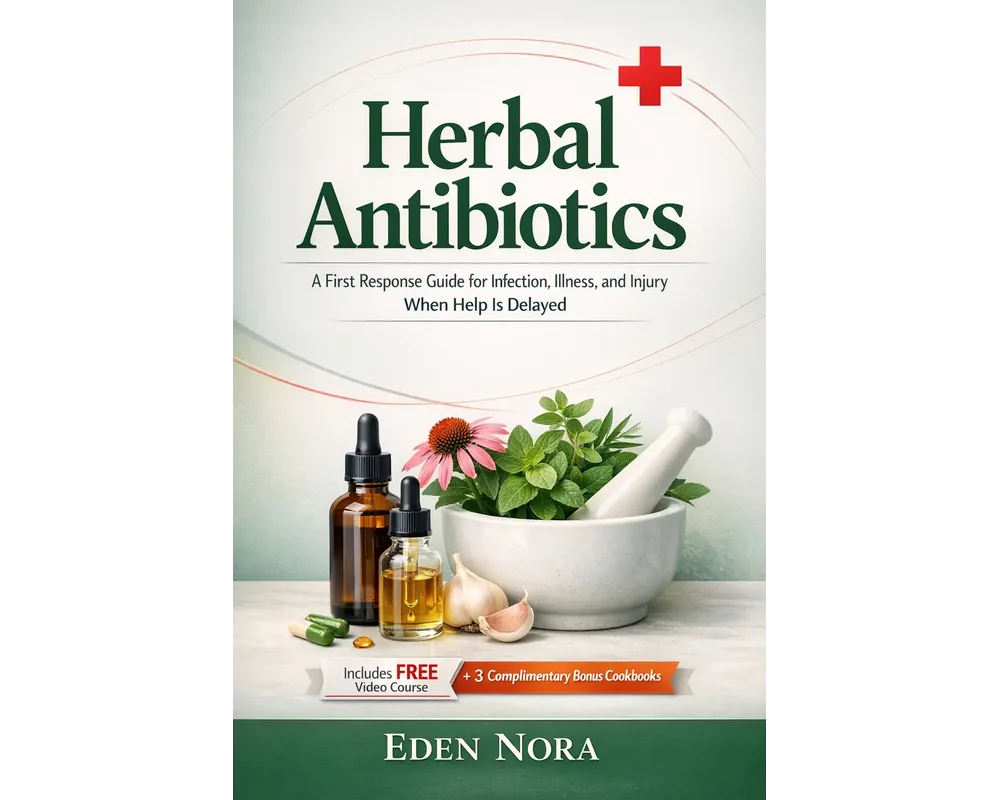 Herbal Antibiotics
A calm, practical guide to herbal antibiotics and natural infection remedies. Learn how to respond early to illness,…
View book →
Herbal Antibiotics
A calm, practical guide to herbal antibiotics and natural infection remedies. Learn how to respond early to illness,…
View book →
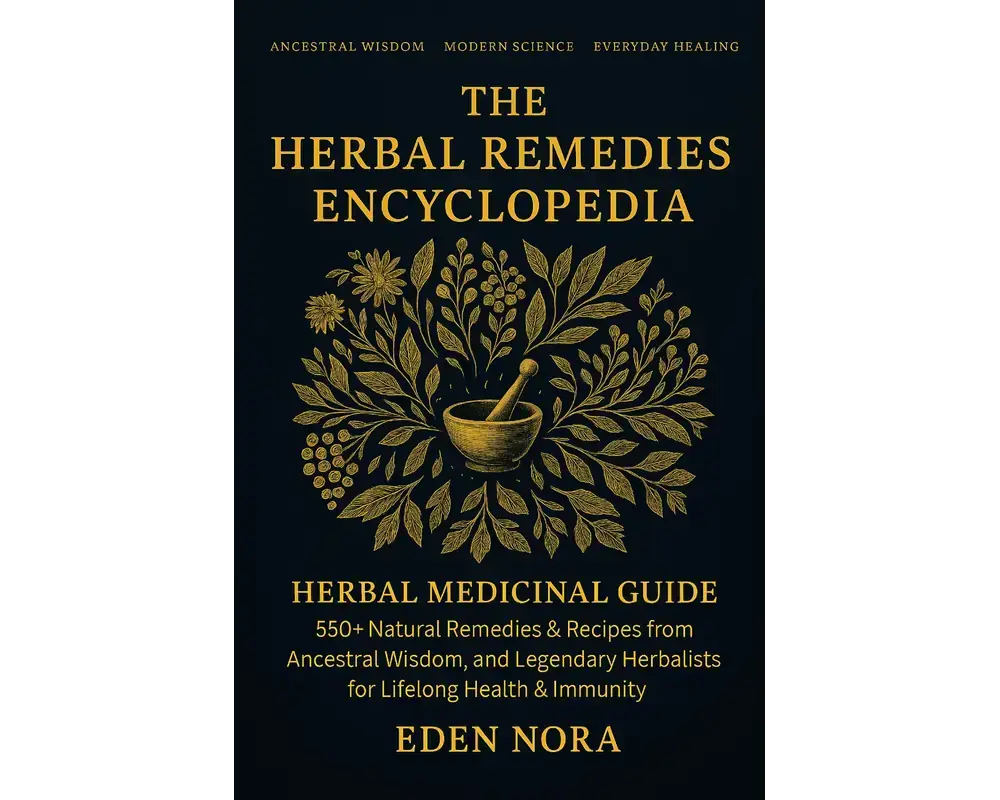 The Herbal Remedies Encyclopedia
Explore 550+ natural remedies in "The Herbal Remedies Encyclopedia - 550+ Powerful Medicinal Herbs", an all-in-one herbal encyclopedia.…
View book →
The Herbal Remedies Encyclopedia
Explore 550+ natural remedies in "The Herbal Remedies Encyclopedia - 550+ Powerful Medicinal Herbs", an all-in-one herbal encyclopedia.…
View book →
 The Herbal Apothecary Book & Natural Medicine Guide
A complete plant-based healing system—The Herbal Apothecary Book & Natural Medicine Guide with 600+ herbal recipes, remedies, and…
View book →
The Herbal Apothecary Book & Natural Medicine Guide
A complete plant-based healing system—The Herbal Apothecary Book & Natural Medicine Guide with 600+ herbal recipes, remedies, and…
View book →
 The Herbal Remedies Survival Book
Turn panic into preparedness—and your backyard into a living apothecary. The Herbal Remedies Survival Book is the calm,…
View book →
The Herbal Remedies Survival Book
Turn panic into preparedness—and your backyard into a living apothecary. The Herbal Remedies Survival Book is the calm,…
View book →
 The Herbal Antibiotics & Antivirals Handbook
A practical, beginner-friendly guide to medicinal herbs traditionally used for immune support and everyday wellness. The Herbal Antibiotics…
View book →
The Herbal Antibiotics & Antivirals Handbook
A practical, beginner-friendly guide to medicinal herbs traditionally used for immune support and everyday wellness. The Herbal Antibiotics…
View book →
 Home Apothecary Herbs – 100+ Wild and Medicinal Herbs with DIY remedies
100+ wild and cultivated medicinal herbs with DIY remedies, rituals, and healing recipes rooted in Indigenous, African, Asian…
View book →
Home Apothecary Herbs – 100+ Wild and Medicinal Herbs with DIY remedies
100+ wild and cultivated medicinal herbs with DIY remedies, rituals, and healing recipes rooted in Indigenous, African, Asian…
View book →
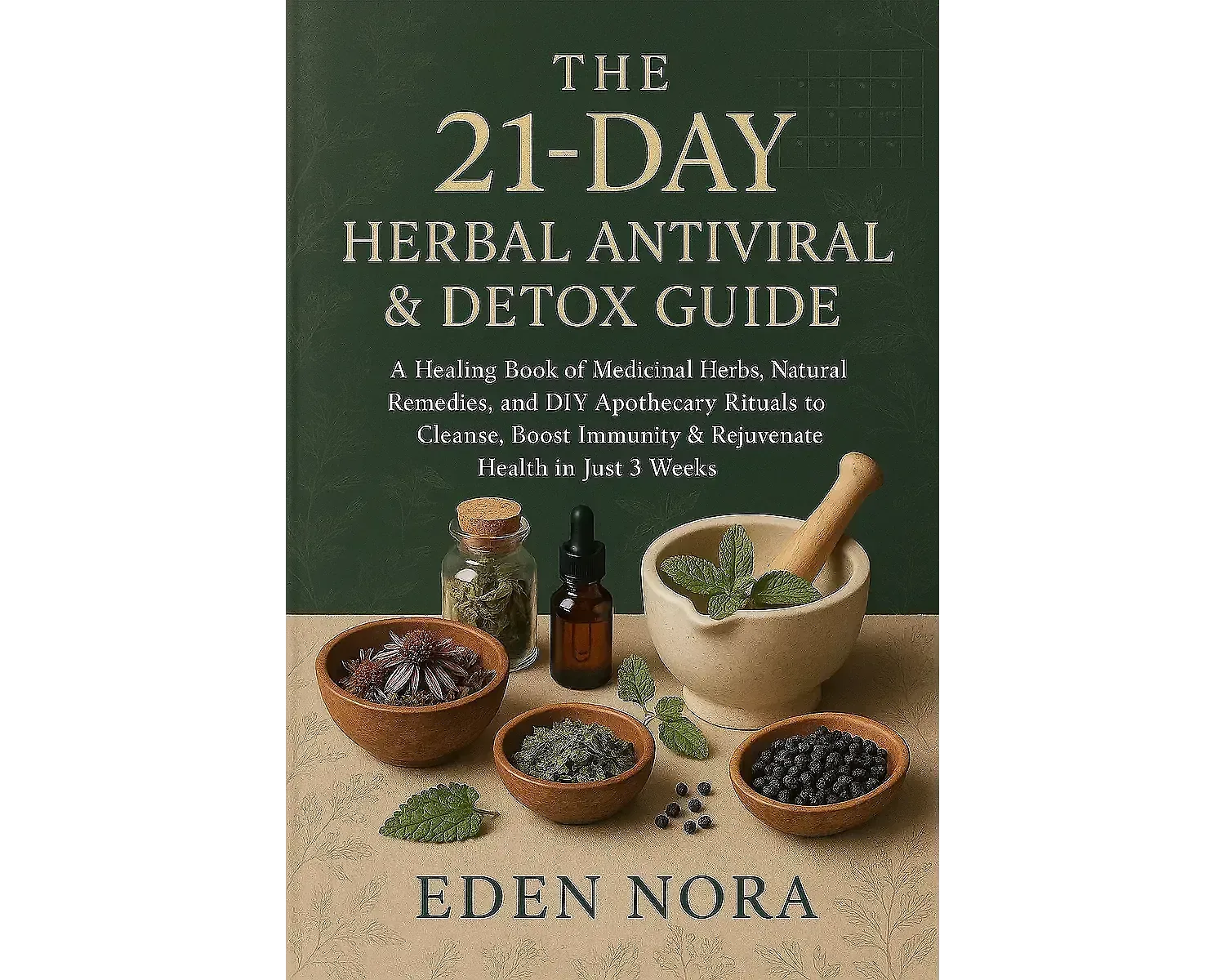 The 21-DAY Herbal Antiviral & Antibiotics Guide
The 21-DAY Herbal Antiviral & Detox Guide is a complete 21-day herbal detox and immune-boosting program rooted in…
View book →
The 21-DAY Herbal Antiviral & Antibiotics Guide
The 21-DAY Herbal Antiviral & Detox Guide is a complete 21-day herbal detox and immune-boosting program rooted in…
View book →
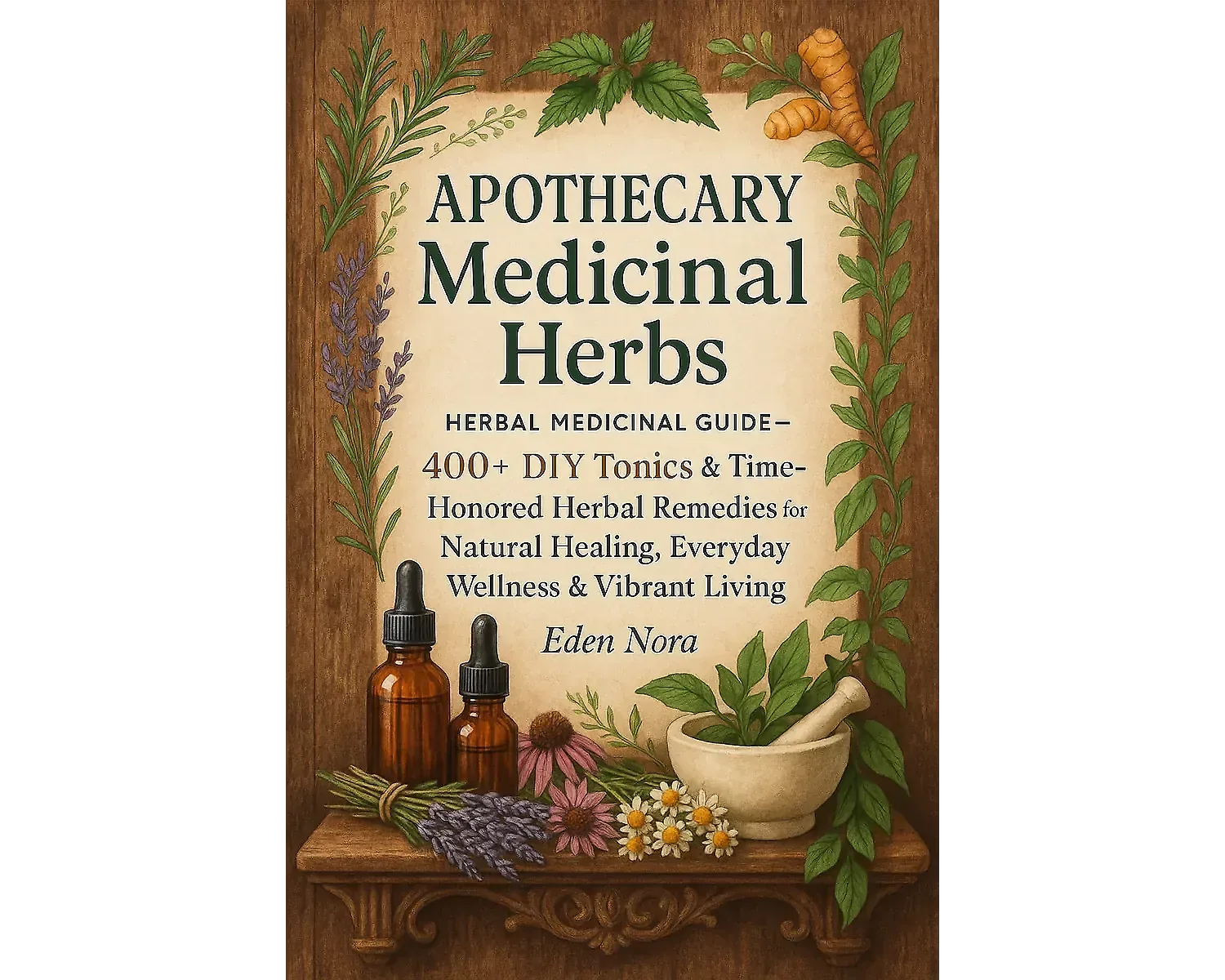 Apothecary Medicinal Herbs
A complete guide with 400+ time-honored herbal recipes for natural healing, immunity, and daily wellness. Master the art…
View book →
Apothecary Medicinal Herbs
A complete guide with 400+ time-honored herbal recipes for natural healing, immunity, and daily wellness. Master the art…
View book →
Latest guides for Herbal Medicine
Explore all guides → How to Use Herbal Antibiotics Safely When Medical Help Is DelayedWhen medical help is delayed, the safest goal is not to improvise a natural substitute for antibiotics. It is to reduce risk, use low-risk…Read guide →
 Everyday Herbal Remedies for Common Health IssuesDiscover everyday herbal remedies for common health issues like digestion, stress, colds, and sleep, with simple and safe natural solutions.Read guide →
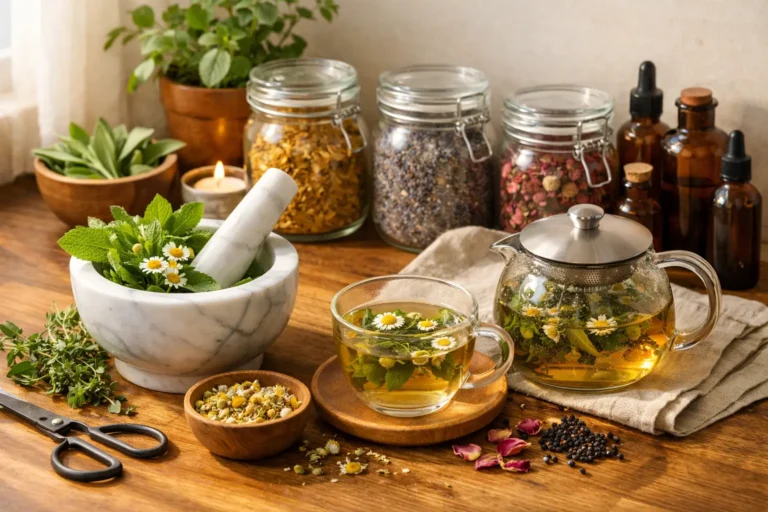 How to Prepare and Use Herbal RemediesLearn how to prepare and use herbal remedies at home, including teas, tinctures, oils, and safe methods for effective natural healing.Read guide →
What Is Herbal Medicine?
Herbal medicine is a natural system of healing that uses plant-based remedies to support the body’s ability to restore balance, strengthen the immune system, and maintain long-term health. Rooted in traditional practices across cultures, herbal medicine combines centuries of empirical knowledge with modern research to provide a holistic approach to wellness.
Unlike conventional treatments that often target isolated symptoms, herbal medicine focuses on supporting the body as a whole. It works by enhancing natural processes such as immune response, inflammation control, and cellular repair. This makes herbal medicine not just a treatment option, but a broader framework for understanding how the body responds to stress, infection, and imbalance over time.
As interest in natural remedies continues to grow, more people are turning to herbal medicine as a way to take a proactive role in their health—seeking solutions that are not only effective but also aligned with the body’s natural rhythms.
How Herbal Medicine Works
One of the defining characteristics of herbal medicine is its multi-dimensional approach to healing.
Modern pharmaceuticals are typically designed to act quickly on a specific target—such as reducing pain, suppressing inflammation, or eliminating a particular pathogen. While this can be effective in many cases, it often addresses only one aspect of a condition.
Herbal medicine, by contrast, works through multiple pathways simultaneously.
A single herb can:
- support immune function
- reduce inflammation
- improve circulation
- promote detoxification
- aid recovery and tissue repair
This layered approach allows herbal remedies to support the body in a more integrated way, addressing both symptoms and underlying imbalances.
Because of this, herbal medicine may act more gradually—but it often contributes to more sustainable, long-term outcomes.
Key Benefits of Herbal Medicine
Herbal medicine offers a wide range of benefits that extend beyond immediate symptom relief.
1. Natural Immune Support
Many herbs help strengthen the body’s immune response, making it easier to resist infections and recover more effectively.
2. Anti-Inflammatory Properties
Chronic inflammation is linked to many health conditions. Herbal remedies can help regulate inflammatory responses and support overall balance.
3. Holistic Healing
Rather than focusing on isolated symptoms, herbal medicine supports multiple systems in the body, promoting overall wellbeing.
4. Long-Term Health and Prevention
Herbal medicine is often used not only for treatment but also for prevention—helping maintain resilience and reduce the likelihood of recurring issues.
5. Gentle but Effective Support
When used correctly, herbal remedies can offer effective support with fewer side effects compared to some conventional treatments.
These benefits make herbal medicine an appealing option for those seeking a more balanced and proactive approach to health.
Common Uses of Herbal Medicine
Herbal medicine is widely used to support a variety of health needs. Some of the most common applications include:
Immune Support
Herbs like echinacea, elderberry, and garlic are commonly used to strengthen the immune system and help the body respond to infections.
Digestive Health
Ginger, peppermint, and chamomile are often used to support digestion, reduce discomfort, and promote gut health.
Stress and Mental Wellbeing
Adaptogenic herbs such as ashwagandha and rhodiola help the body manage stress and improve resilience.
Inflammation and Pain Relief
Turmeric, willow bark, and other herbs are known for their anti-inflammatory properties.
Respiratory Health
Herbs like thyme and mullein are used to support lung function and respiratory comfort.
These applications highlight the versatility of herbal medicine across different areas of health.
Herbal Antibiotics and Natural Antimicrobials
Within herbal medicine, certain plants are known for their antimicrobial properties and are often referred to as herbal antibiotics.
These herbs do not function exactly like pharmaceutical antibiotics, but they can:
- inhibit bacterial growth
- disrupt harmful microorganisms
- support immune defense
- help restore microbial balance
Examples include:
- Oregano – known for strong antimicrobial effects
- Garlic – supports immune function and fights infection
- Echinacea – enhances immune response
Understanding how these herbs work—and when to use them—is essential for effective and responsible use.
Forms of Herbal Medicine
Herbal remedies come in various forms, each suited to different needs and preferences.
Teas (Infusions and Decoctions)
One of the most traditional methods, herbal teas are used for gentle, daily support.
Tinctures
Concentrated liquid extracts that are absorbed quickly and offer precise dosing.
Capsules and Tablets
Convenient and standardized, often used for consistent supplementation.
Essential Oils
Used externally or aromatically, though they require careful handling and proper knowledge.
Powders and Extracts
Often added to foods or beverages for easy integration into daily routines.
Choosing the right form depends on the herb, the condition being addressed, and personal preference.
When Herbal Medicine Is Most Effective
Herbal medicine is particularly useful in situations where the body benefits from support rather than suppression.
It is commonly used for:
- early-stage symptoms
- mild to moderate conditions
- long-term health maintenance
- immune resilience
- stress-related imbalances
It can also complement other forms of treatment when used appropriately.
However, it is important to recognize when conventional medical care is necessary, especially in serious or urgent situations.
Safety and Responsible Use
A common misconception is that natural remedies are always completely safe.
In reality, herbal medicine can be powerful and must be used with care.
Safe and effective use requires:
- choosing the right herb for the condition
- understanding proper dosage
- selecting the correct preparation method
- being aware of potential interactions
Some herbs may not be suitable for:
- pregnant or breastfeeding individuals
- those with certain medical conditions
- people taking specific medications
This is why informed use is essential.
Herbal medicine is most effective when approached with knowledge, not assumption.
How to Get Started with Herbal Medicine
For beginners, the key is to start simple.
1. Focus on a Few Core Herbs
Choose a small number of well-understood herbs rather than trying everything at once.
2. Learn the Basics
Understand what each herb does, how it works, and how it should be used.
3. Choose Quality Sources
Use high-quality, trusted products to ensure effectiveness and safety.
4. Start with Gentle Forms
Teas and basic preparations are a good starting point for beginners.
5. Observe Your Body
Pay attention to how your body responds and adjust accordingly.
Building knowledge gradually leads to better outcomes and greater confidence.
Herbal Medicine and Modern Healthcare
Herbal medicine is not about rejecting modern healthcare—it’s about expanding your options.
Both systems have strengths.
Modern medicine:
- provides rapid, targeted intervention
- is essential for emergencies and serious conditions
Herbal medicine:
- supports long-term balance
- promotes resilience
- complements overall health strategies
Understanding how to use both appropriately allows for more informed and effective decision-making.
The Bigger Picture
Herbal medicine represents a shift in perspective—from reactive treatment to proactive health management.
It encourages you to:
- understand your body
- support natural processes
- make informed choices
- take responsibility for long-term wellbeing
When used correctly, herbal medicine becomes more than a tool—it becomes part of a broader approach to living well.
Final Thought
Herbal medicine offers a powerful and natural way to support your health, but its true value lies in understanding how to use it effectively.
By combining traditional knowledge with modern insight, you can build a balanced approach to healing that supports both immediate needs and long-term vitality.
Latest questions for Herbal Medicine
Explore all questions → How Long Does Herbal Medicine Take to Work?
Herbal medicine can begin working within hours in some cases, but more commonly, it takes days or weeks to produce noticeable results. The timeline…
Read answer →
How Long Does Herbal Medicine Take to Work?
Herbal medicine can begin working within hours in some cases, but more commonly, it takes days or weeks to produce noticeable results. The timeline…
Read answer →
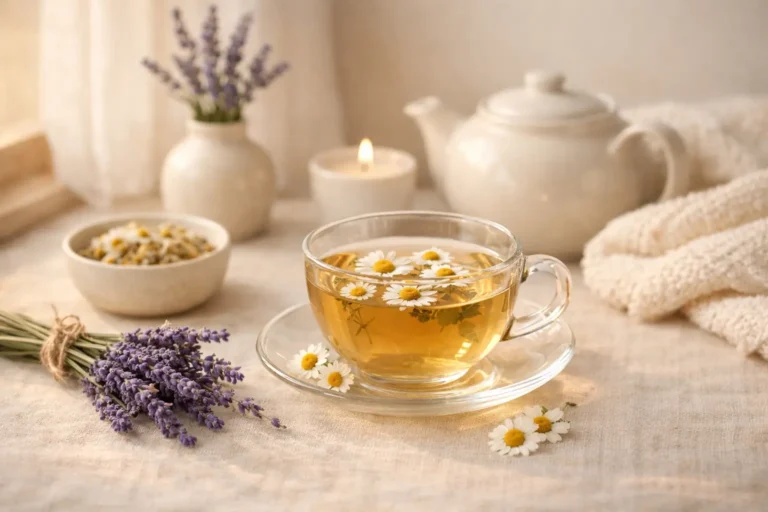 What Herbs Help with Stress and Anxiety?
Herbs that help with stress and anxiety work by supporting the nervous system, promoting relaxation, and helping the body regulate its response to stress.…
Read answer →
What Herbs Help with Stress and Anxiety?
Herbs that help with stress and anxiety work by supporting the nervous system, promoting relaxation, and helping the body regulate its response to stress.…
Read answer →
 Are There Side Effects of Herbal Medicine?
Herbal medicine can have side effects, especially when herbs are used incorrectly, taken in high doses, or combined with other substances without proper understanding.…
Read answer →
Are There Side Effects of Herbal Medicine?
Herbal medicine can have side effects, especially when herbs are used incorrectly, taken in high doses, or combined with other substances without proper understanding.…
Read answer →
Latest references for Herbal Medicine
Explore all references →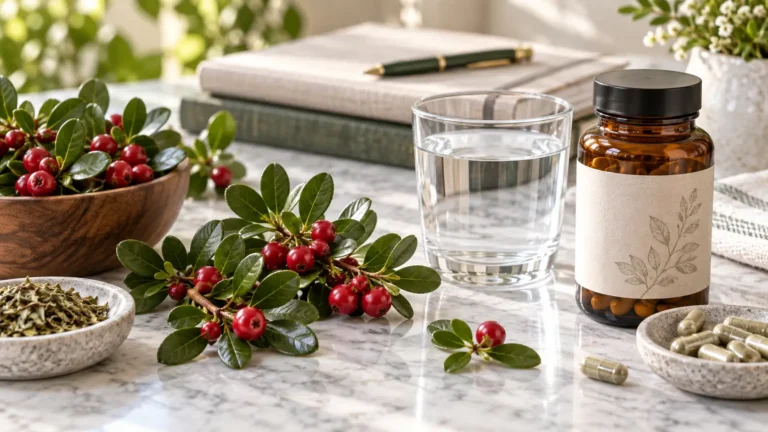 Uva Ursi: UTI Evidence, Traditional Use, Risks, and Safety
Uva ursi, or bearberry leaf, has a long traditional-use history for mild lower urinary symptoms, but modern trials do not show it to be…
Open reference →
Uva Ursi: UTI Evidence, Traditional Use, Risks, and Safety
Uva ursi, or bearberry leaf, has a long traditional-use history for mild lower urinary symptoms, but modern trials do not show it to be…
Open reference →
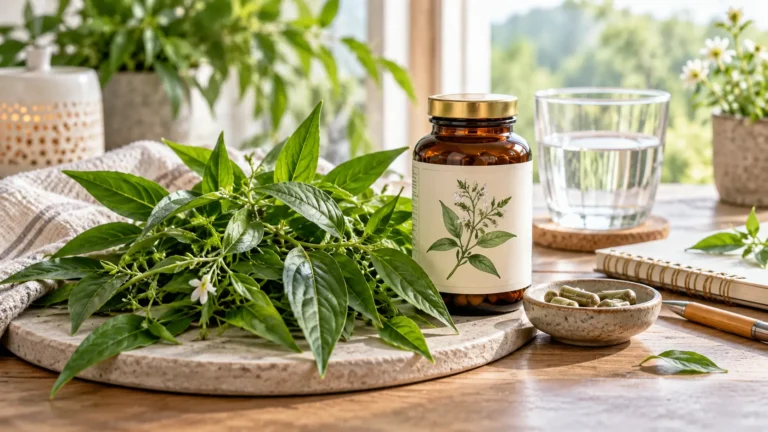 Goldenseal: Benefits, Antimicrobial Evidence, Interactions, and Safety
Goldenseal is widely marketed for infections, colds, and immune support, but rigorous human evidence has not established benefit for any health condition. Its best-known…
Open reference →
Goldenseal: Benefits, Antimicrobial Evidence, Interactions, and Safety
Goldenseal is widely marketed for infections, colds, and immune support, but rigorous human evidence has not established benefit for any health condition. Its best-known…
Open reference →
 Elderberry: Respiratory Benefits, Evidence, Uses, and Safety
Elderberry is widely used for colds and flu, but human evidence remains limited and mixed. Some studies suggest possible relief in the duration or…
Open reference →
Elderberry: Respiratory Benefits, Evidence, Uses, and Safety
Elderberry is widely used for colds and flu, but human evidence remains limited and mixed. Some studies suggest possible relief in the duration or…
Open reference →
Latest comparisons for Herbal Medicine
Explore all comparisons → Natural Medicine vs Alternative Medicine
Natural medicine and alternative medicine are often used interchangeably, but they are not the same. Understand the key differences, benefits, and which approach fits…
Compare →
Natural Medicine vs Alternative Medicine
Natural medicine and alternative medicine are often used interchangeably, but they are not the same. Understand the key differences, benefits, and which approach fits…
Compare →
 Herbal Remedies vs Supplements
Herbal remedies and supplements may seem similar, but they work in very different ways. Learn the real differences, benefits, risks, and which option makes…
Compare →
Herbal Remedies vs Supplements
Herbal remedies and supplements may seem similar, but they work in very different ways. Learn the real differences, benefits, risks, and which option makes…
Compare →
 Herbal Medicine vs Modern Medicine
Herbal medicine and modern medicine offer different approaches to health. Discover the key differences, benefits, risks, and which one is right for you.
Compare →
Herbal Medicine vs Modern Medicine
Herbal medicine and modern medicine offer different approaches to health. Discover the key differences, benefits, risks, and which one is right for you.
Compare →
Latest collections for Herbal Medicine
Explore all collections → Herbal Medicine Starter Collection
A curated starting point for understanding herbal medicine, from foundational guides to practical remedies, safety, and real-world use.
Open collection →
Herbal Medicine Starter Collection
A curated starting point for understanding herbal medicine, from foundational guides to practical remedies, safety, and real-world use.
Open collection →
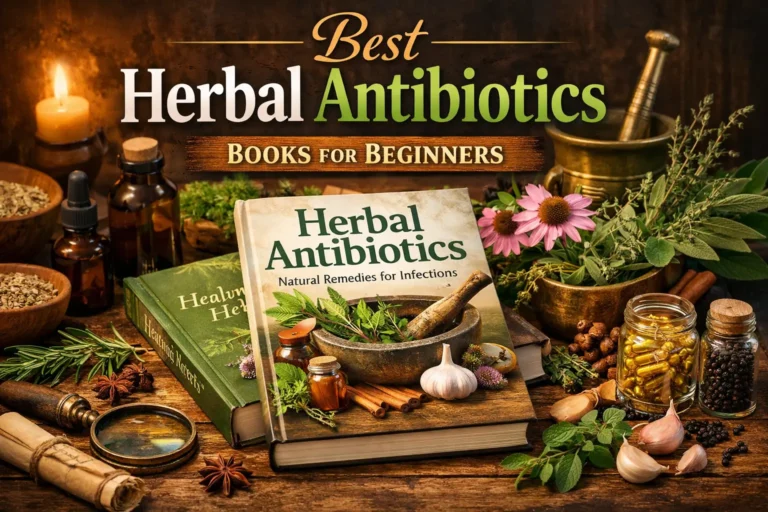 Best Herbal Antibiotics Books for Beginners
How to Use This Collection Choosing the right herbal antibiotics book can feel harder than it should. Some readers want a simple introduction. Others…
Open collection →
Best Herbal Antibiotics Books for Beginners
How to Use This Collection Choosing the right herbal antibiotics book can feel harder than it should. Some readers want a simple introduction. Others…
Open collection →
Latest articles for Herbal Medicine
Explore all articles → Homemade Antibiotics: What Works, What’s Hype, and How to Use Them Safely
Your calm, expert map to homemade antibiotics—proven recipes, safety, dosage, and when to seek medical care.
Read article →
Homemade Antibiotics: What Works, What’s Hype, and How to Use Them Safely
Your calm, expert map to homemade antibiotics—proven recipes, safety, dosage, and when to seek medical care.
Read article →
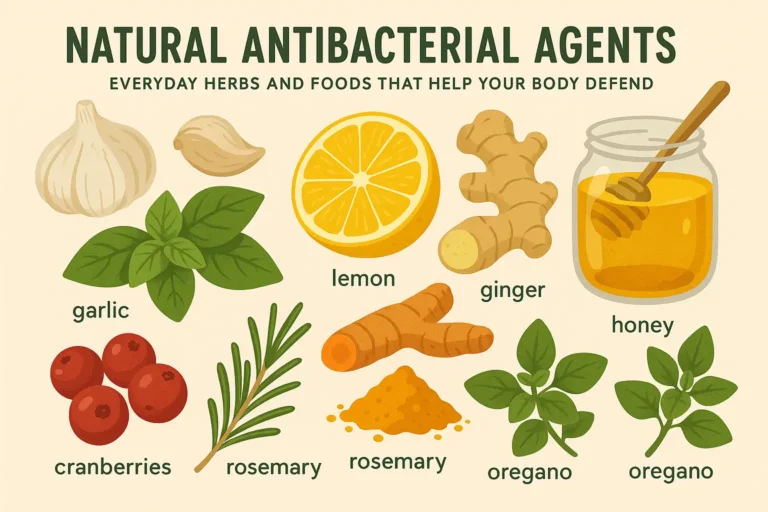 Natural Antibacterial Agents: Everyday Herbs and Foods That Help Your Body Defend
A warm, science-grounded guide to natural antibacterial agents—how everyday herbs and foods quietly help your body defend.
Read article →
Natural Antibacterial Agents: Everyday Herbs and Foods That Help Your Body Defend
A warm, science-grounded guide to natural antibacterial agents—how everyday herbs and foods quietly help your body defend.
Read article →
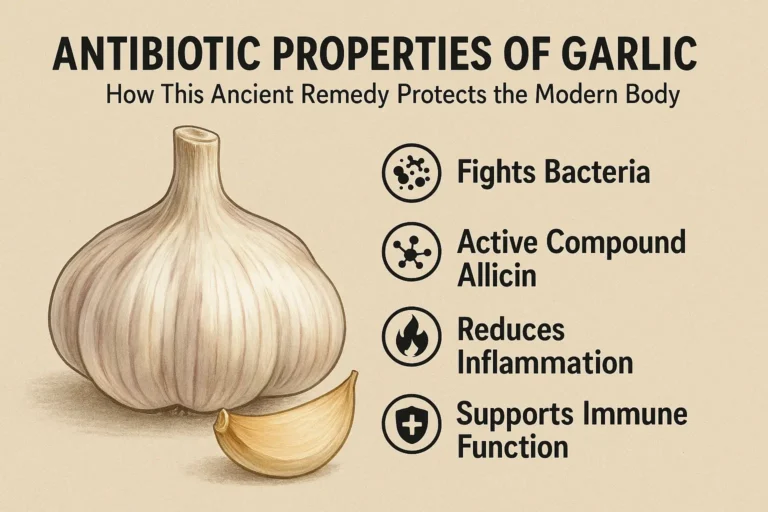 Antibiotic Properties of Garlic: How This Ancient Remedy Protects the Modern Body
A calm, expert guide to garlic’s antibiotic properties—how allicin works, practical uses, safety, and the right moment to seek medical care.
Read article →
Antibiotic Properties of Garlic: How This Ancient Remedy Protects the Modern Body
A calm, expert guide to garlic’s antibiotic properties—how allicin works, practical uses, safety, and the right moment to seek medical care.
Read article →
Frequently asked questions about Herbal Medicine
01What is herbal medicine and how does it work?
Herbal medicine is a natural approach to healing that uses plant-based remedies to support the body’s ability to restore balance and maintain health. It works by interacting with multiple systems in the body at once, such as the immune system, inflammatory response, and digestive processes. Unlike conventional medicine, which often targets a single symptom, herbal remedies typically provide broader support by helping the body heal itself more effectively over time.
02What are the benefits of herbal medicine?
Herbal medicine offers several benefits, including natural immune support, reduced inflammation, improved digestion, and better stress management. It is often used for long-term health maintenance and prevention, rather than just short-term symptom relief. When used correctly, herbal remedies can support overall wellbeing with fewer side effects, making them a popular choice for people seeking a more holistic and balanced approach to health.
03Are herbal medicines safe to use?
Herbal medicines can be safe when used properly, but they are not completely risk-free. Some herbs are powerful and may interact with medications or cause side effects if taken incorrectly. Safety depends on factors such as dosage, preparation method, and individual health conditions. It is important to use high-quality products, follow recommended guidelines, and seek professional advice when needed to ensure safe and effective use.
04What herbs are best for immune system support?
Several herbs are widely used to support the immune system, including echinacea, elderberry, garlic, and ginger. These herbs help strengthen the body’s natural defenses, reduce inflammation, and improve the body’s ability to respond to infections. Each herb works differently, so choosing the right one depends on your specific needs, whether it’s prevention, early-stage symptoms, or recovery support.
05Can herbal medicine replace conventional medicine?
Herbal medicine is not meant to completely replace conventional medicine, especially in serious or emergency situations. Instead, it can complement modern treatments by supporting the body’s natural healing processes and improving overall health. Many people use herbal remedies alongside conventional care as part of a balanced approach, but it is important to understand when professional medical treatment is necessary.
06How do you start using herbal medicine as a beginner?
To start using herbal medicine, begin with a few well-known herbs and learn their benefits, proper usage, and recommended dosages. Start with simple forms like herbal teas or basic supplements, and focus on understanding how your body responds. It is important to use trusted sources, avoid overcomplicating the process, and build knowledge gradually. Starting simple allows you to gain confidence and use herbal remedies more effectively over time.