What Is the Vagus Nerve?
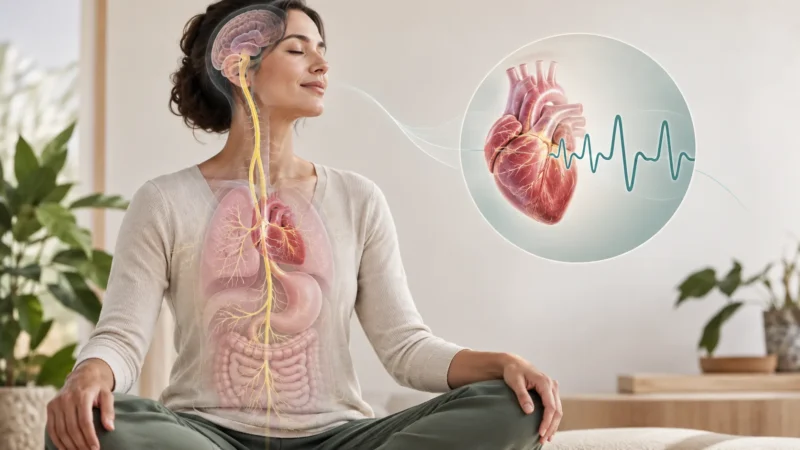
The vagus nerve, also called cranial nerve X, is one of the body’s major communication pathways between the brainstem and organs in the neck, chest and abdomen. It carries a mixture of sensory, motor and autonomic signals and is especially important within the parasympathetic nervous system.
The word vagus comes from a Latin root meaning “wandering,” a fitting description because the nerve travels farther through the body than the other cranial nerves. There is a left and right vagus nerve, and together their branches participate in functions involving the heart, lungs, digestive tract, voice and swallowing.
That broad reach is one reason the vagus nerve attracts so much attention. But broad influence does not mean it “controls everything,” and common symptoms cannot be diagnosed as vagus-nerve problems simply because the nerve is involved in many systems.
Where the Vagus Nerve Travels
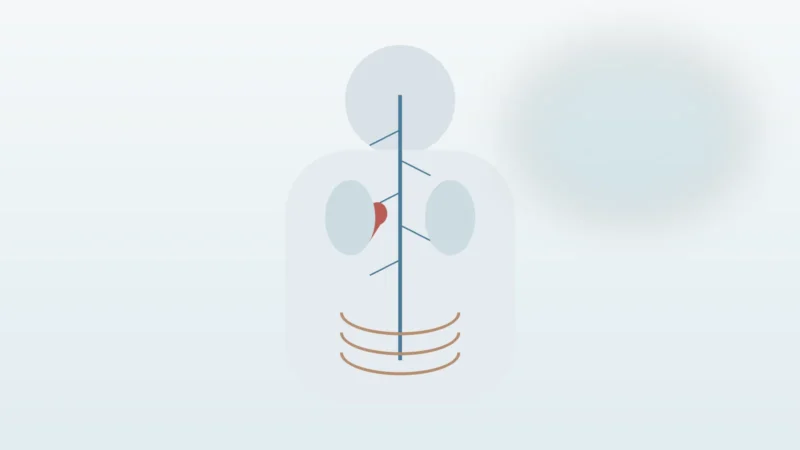
The vagus nerve begins in the brainstem and exits the skull before descending through the neck. Its branches continue into the chest and abdomen, communicating with structures including the larynx, heart, lungs and gastrointestinal tract.
Much of the information carried by vagal pathways is sensory information traveling from the body toward the brain. Other fibers carry motor instructions, including signals involved in muscles of the throat, and parasympathetic signals that influence organ function.
This anatomy is medically important, but it is not an invitation to try to locate or press on the nerve yourself. The neck also contains major blood vessels and other sensitive structures. Deep pressure intended to “activate” the vagus nerve is not a safe shortcut to autonomic regulation.
What the Vagus Nerve Helps Regulate
The vagus nerve participates in several important functions. At the heart, parasympathetic vagal activity helps modulate heart rate. In the digestive system, vagal pathways contribute to communication related to motility, secretion and signals traveling between the gut and brain. In the throat, vagal branches are involved in voice and swallowing. The nerve also carries sensory information from parts of the chest and abdomen.
These functions are coordinated with many other nerves, brain regions, hormones and local organ systems. It is more accurate to describe the vagus nerve as an important contributor to regulation than as a master switch for the entire body.
The Vagus Nerve and the Parasympathetic Nervous System
The autonomic nervous system helps regulate functions that do not require constant conscious control. Its sympathetic and parasympathetic divisions are often summarized as “fight or flight” and “rest and digest.” Those phrases are useful teaching shortcuts, but the real system is not a simple on/off switch.
Vagal pathways provide much of the parasympathetic influence to organs in the chest and abdomen. Their activity changes continuously with breathing, posture, activity, blood pressure, digestion, sleep, emotion and environmental demands.
This is why the phrase “activate the vagus nerve” can be misleading when it suggests that the nerve is normally off. Healthy autonomic regulation is dynamic. The goal is not maximum parasympathetic activity at all times, but appropriate flexibility as circumstances change.
Why the Vagus Nerve Became a Wellness Buzzword
Interest in the vagus nerve grew as research on autonomic regulation, heart-rate variability, mind-body practices and neuromodulation became more visible. Slow breathing can change respiratory-linked heart-rate patterns associated with parasympathetic cardiac modulation. Clinical vagus nerve stimulation uses electrical devices for specific medical purposes. These genuine areas of science make the vagus nerve an appealing explanation for stress, sleep, digestion and emotional state.
The problem comes when separate findings are combined into a single story: if the vagus nerve affects many organs, then every symptom must be vagal; if breathing changes HRV, then one breath pattern must “reset” the nerve; if clinical VNS has medical uses, then humming, cold water or massage must be natural versions of the same treatment. Those conclusions do not follow automatically.
Common Vagus Nerve Myths
Myth: The vagus nerve has an instant reset button. Autonomic regulation is continuous and context-dependent. A practice may shift breathing, heart rate or perceived arousal without creating a permanent before-and-after reset.
Myth: A yawn, sigh, shiver or tingling sensation proves vagal activation. These sensations can occur for many reasons and cannot diagnose vagal tone.
Myth: Poor sleep, anxiety, fatigue or digestive discomfort automatically means vagus nerve dysfunction. These symptoms are nonspecific and have many possible causes.
Myth: Every technique that feels calming directly stimulates the vagus nerve. Relaxation can emerge through attention, breathing, muscle tension, expectation, environment and multiple neural pathways.
Symptoms Should Not Be Self-Diagnosed as a “Vagus Nerve Problem”
Because the vagus nerve has wide-ranging functions, online symptom lists can become so broad that almost anyone recognizes something on them. That is not a reliable diagnostic method.
Fainting, persistent significant palpitations, chest pain, severe or unexplained shortness of breath, new neurological symptoms, major swallowing difficulty, persistent major voice changes or severe dizziness deserve appropriate medical evaluation rather than repeated attempts to stimulate the vagus nerve at home.
Likewise, persistent digestive symptoms, fatigue, poor sleep or anxiety should be assessed in context. A vagus-based explanation should not crowd out more likely or more important possibilities.
Can Everyday Practices Affect Vagal Activity?
Yes, ordinary physiology can influence vagal and parasympathetic patterns. Slow comfortable breathing has relatively strong evidence for increasing vagally mediated heart-rate variability during practice. Exercise, sleep, recovery and stress-management practices can also influence broader autonomic health.
Humming, meditation, yoga, massage and cold exposure may affect autonomic measures or perceived relaxation in some contexts, but the evidence for a unique direct vagus-specific effect varies by technique. None should be treated as proof that the nerve was damaged before the exercise or repaired afterward.
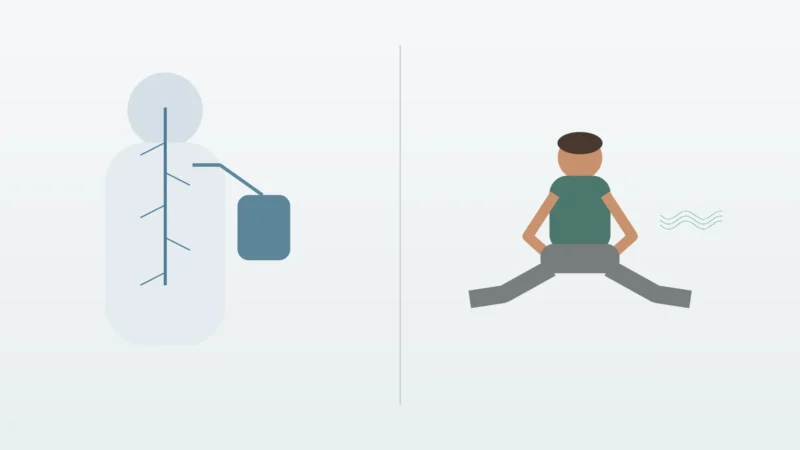
Clinical electrical VNS is a different category altogether. It uses a medical device and should not be equated with self-guided wellness practices.
Common Questions About the Vagus Nerve
The most useful foundational questions are anatomical and functional: where the nerve travels, what roles it plays, what researchers mean by vagal tone, how injury or disease can affect vagal functions, how breathing influences autonomic patterns and how medical VNS differs from home practices. These questions are best answered without turning the vagus nerve into a universal diagnosis.
Explore the Vagus Nerve Cluster
Once the basic anatomy is clear, you can evaluate vagus-related claims much more accurately. Use the vagal-tone reference for measurement concepts, the breathing guide for the strongest self-guided physiological evidence, the evidence-ranked exercise guide to compare popular techniques, and the clinical VNS explainer for device-based medical stimulation.
The central idea is simple: the vagus nerve is important, but it is one part of a larger regulatory system. Understanding what it actually does is more useful than treating it as a catch-all explanation for how you feel.
For Mayobook’s broader self-guided framework, see Vagus Nerve Exercises.