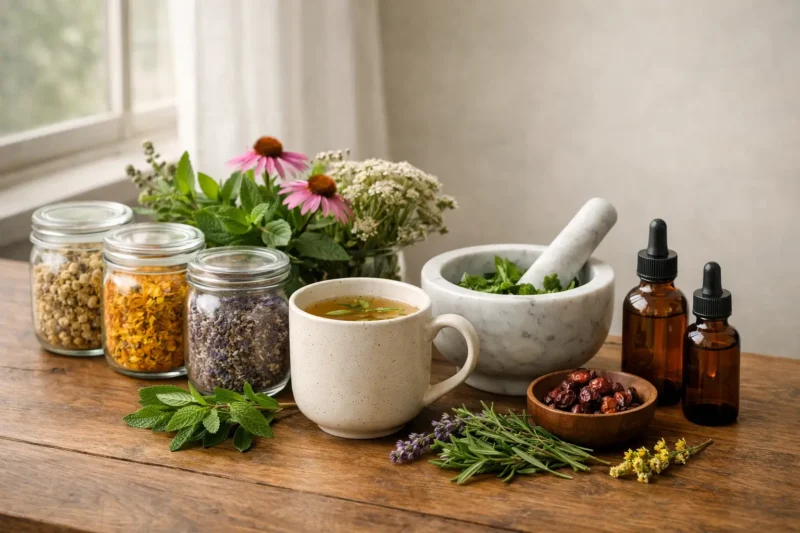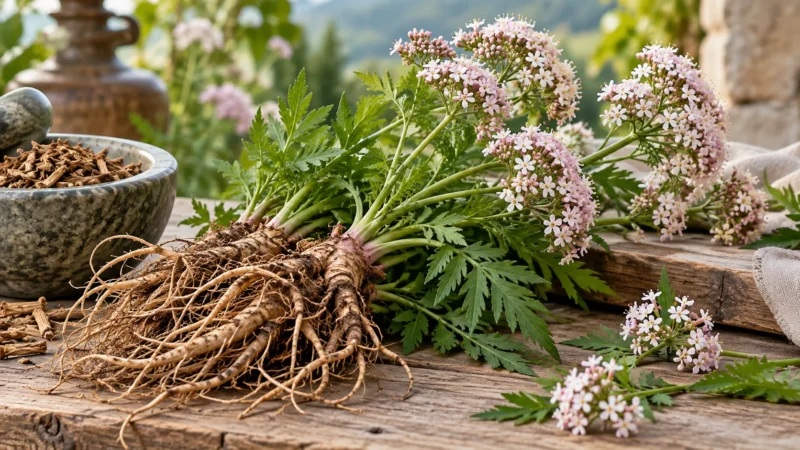
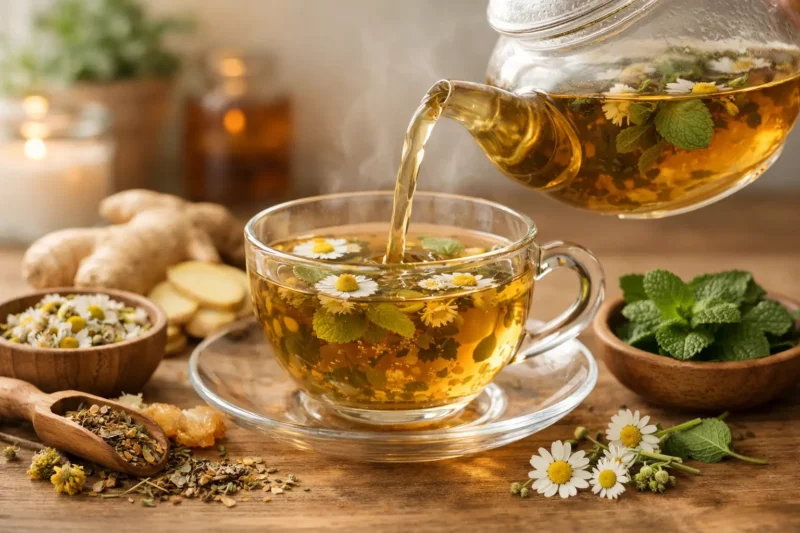
Herbal medicine works by interacting with the body’s natural systems through plant-based compounds that support healing, balance, and overall function. Unlike pharmaceutical drugs that often target a single symptom or pathway, herbal remedies tend to work across multiple systems at once, helping the body restore equilibrium rather than forcing rapid change.
This difference is not a limitation—it is the defining strength of herbal medicine.
To understand how herbal medicine truly works, it is important to look beyond the idea of “quick fixes” and instead understand how the body responds to consistent, supportive input over time.
The Core Principle: Support, Not Suppression
Modern medicine often focuses on suppressing symptoms quickly.
Herbal medicine focuses on:
- supporting natural processes
- improving system function
- restoring internal balance
For example:
- instead of forcing sleep, herbs may promote relaxation
- instead of blocking inflammation completely, herbs help regulate it
This approach aligns more closely with how the body naturally operates.
The Role of Plant Compounds
Herbs contain biologically active compounds such as:
- polyphenols
- flavonoids
- alkaloids
- essential oils
These compounds interact with the body in subtle but meaningful ways.
What they do:
- influence cellular activity
- support immune signaling
- affect digestion and metabolism
- interact with the nervous system
Unlike synthetic drugs, these compounds often work together, creating a synergistic effect.
System-by-System: How Herbs Affect the Body
1. Immune System Support
Herbs like garlic and echinacea help regulate immune response.
They may:
- support defense against pathogens
- improve immune signaling
- reduce excessive immune reactions
2. Digestive System Support
Herbs such as ginger and peppermint support digestion.
They help:
- improve gut movement
- reduce bloating
- enhance nutrient absorption
3. Nervous System Regulation
Herbs like chamomile affect the nervous system.
They can:
- reduce stress signals
- promote relaxation
- improve sleep quality
4. Inflammation Balance
Herbs like turmeric support inflammation control.
They:
- help regulate inflammatory responses
- support long-term health
Why Herbal Medicine Works Gradually
One of the most misunderstood aspects is speed.
Herbal medicine:
- works with the body
- requires consistency
- builds effects over time
This is why:
- results may take days or weeks
- benefits accumulate gradually
Synergy: Why Whole Herbs Matter
Whole herbs contain multiple compounds working together.
This creates:
- balanced effects
- reduced side effects
- broader support
This is different from isolated compounds found in many drugs.
The Difference Between Herbs and Drugs
| Herbal Medicine | Modern Medicine |
|---|---|
| works gradually | works quickly |
| supports systems | targets symptoms |
| multi-system effect | single pathway focus |
Both are useful—but they serve different purposes.
Factors That Affect How Herbal Medicine Works
1. Dosage
Too little → no effect
Too much → potential side effects
2. Preparation Method
Tea vs tincture vs capsule affects absorption
3. Consistency
Irregular use reduces effectiveness
4. Individual Response
Each person responds differently
Common Misunderstandings
“Herbs don’t work”
Often caused by:
- incorrect use
- lack of consistency
- unrealistic expectations
“More herbs = better results”
This often reduces effectiveness.
When Herbal Medicine Works Best
Herbal medicine is most effective for:
- daily wellness
- mild conditions
- long-term support
- prevention
Final Perspective
Herbal medicine works not by overpowering the body—but by working with it.
That is why:
- it is slower
- but often more sustainable
Understanding this changes everything about how you use it.