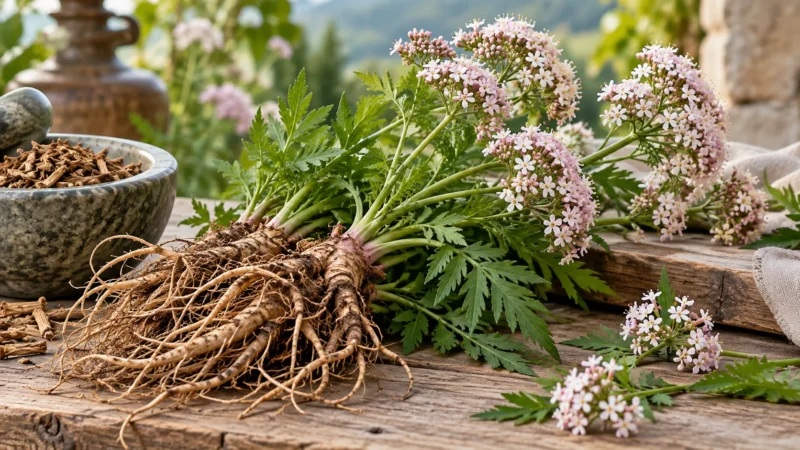

Herbal medicine cannot fully replace modern medicine, but it can play a valuable role in supporting health when used appropriately. While herbal remedies offer natural, long-term support for many aspects of wellness, modern medicine remains essential for diagnosing, treating, and managing serious or life-threatening conditions.
This question often comes from a desire for natural alternatives, but the reality is more nuanced. Herbal and modern medicine are not direct replacements for each other—they serve different purposes.
Understanding those differences is key to making informed decisions.
Why This Question Comes Up So Often
Many people explore herbal medicine because they:
- want natural options
- are concerned about medication side effects
- prefer long-term wellness approaches
- seek preventive care
At the same time, modern medicine is often associated with:
- fast results
- clinical treatment
- emergency care
This creates a natural comparison.
The Core Difference Between Herbal and Modern Medicine
Herbal Medicine
- works gradually
- supports body systems
- focuses on balance
Modern Medicine
- acts quickly
- targets specific symptoms or conditions
- essential for acute and serious issues
Where Herbal Medicine Works Best
Herbal medicine is most effective for:
1. Everyday Wellness
Supporting general health and balance.
2. Mild Conditions
Such as:
- digestion issues
- stress
- sleep problems
3. Long-Term Support
Helping maintain stability over time.
4. Preventive Care
Supporting the body before issues develop.
Where Modern Medicine Is Essential
Modern medicine is necessary for:
1. Emergencies
- injuries
- severe infections
- critical conditions
2. Complex Diagnoses
Identifying underlying health issues.
3. Advanced Treatment
- surgeries
- chronic disease management
Why Herbal Medicine Cannot Fully Replace Modern Medicine
1. Speed of Action
Herbs generally work more slowly.
2. Precision
Modern medicine targets specific conditions.
3. Clinical Monitoring
Serious conditions require professional oversight.
Why Herbal Medicine Still Matters
Even though it cannot replace modern medicine, it offers:
- natural support
- fewer aggressive side effects (when used correctly)
- long-term benefits
- holistic approach
The Best Approach: Complementary Use
Instead of choosing one over the other, many people benefit from combining both.
Example:
- use modern medicine for acute issues
- use herbs for recovery and long-term support
Common Misconceptions
“Herbal medicine can cure everything”
Not true.
“Modern medicine is always better”
Also not true.
“You must choose one”
False—both can work together.
Safety Considerations
Combining herbal and modern medicine requires care.
- potential interactions
- dosage considerations
- timing matters
How to Decide What to Use
Ask:
- Is this mild or serious?
- Do I need immediate results?
- Am I supporting long-term health?
Final Perspective
Herbal medicine is not a replacement—it is a complement.
The strongest approach is:
- understanding both
- using each appropriately
- avoiding extremes