
Self-Help, Habits & Life Mastery
Personal growth doesn’t happen by chance—it’s built through consistent habits, disciplined thinking, and intentional action. The small decisions you make every day shape your mindset, your productivity, and ultimately the direction of your life. In this topic, you’ll discover how to build better habits, stay consistent with your goals, and develop the mindset needed to overcome distractions, procrastination, and self-doubt. You’ll learn how discipline works, how routines are formed, and how to create systems that support long-term success instead of short-term motivation. Whether you want to improve your productivity, strengthen your focus, or create lasting change, this section is designed to help you take control of your actions and build a life that aligns with your goals and values.

Books about Self-Help, Habits & Life Mastery
Explore all books → Think Like Martin Luther King Jr
A transformational memoir-style biography revealing 21 timeless life lessons from the legacy of Martin Luther King Jr. on…
View book →
Think Like Martin Luther King Jr
A transformational memoir-style biography revealing 21 timeless life lessons from the legacy of Martin Luther King Jr. on…
View book →
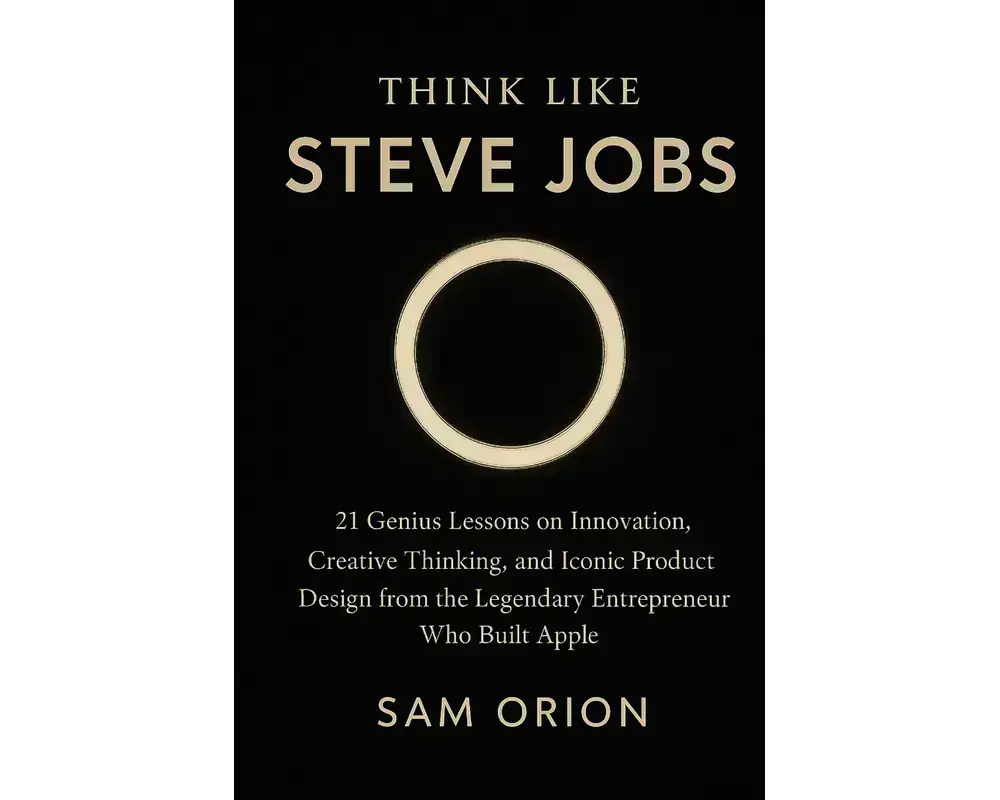 Think Like Steve Jobs
Discover 21 timeless lessons from Steve Jobs on how to think boldly, simplify radically, lead with vision, and…
View book →
Think Like Steve Jobs
Discover 21 timeless lessons from Steve Jobs on how to think boldly, simplify radically, lead with vision, and…
View book →
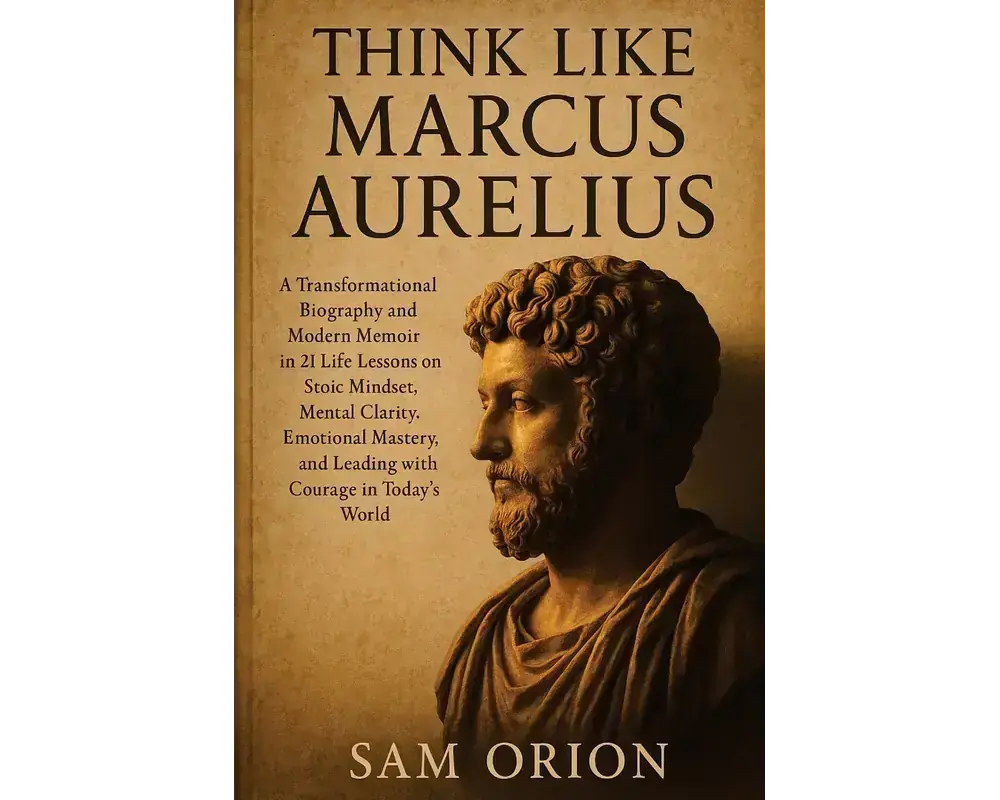 Think Like Marcus Aurelius
Discover timeless Stoic wisdom reimagined for the modern world. Think Like Marcus Aurelius blends biography and memoir to…
View book →
Think Like Marcus Aurelius
Discover timeless Stoic wisdom reimagined for the modern world. Think Like Marcus Aurelius blends biography and memoir to…
View book →
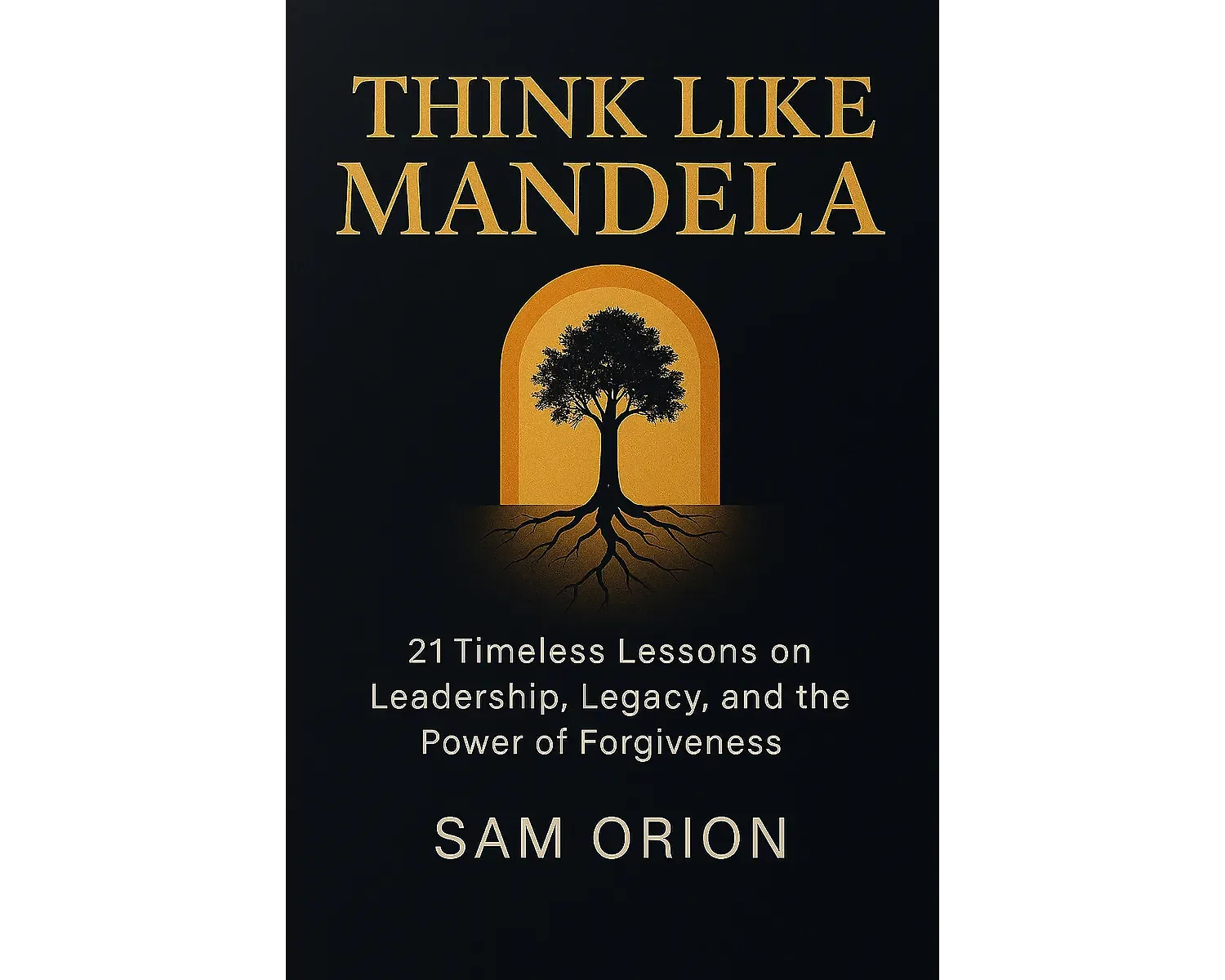 Think Like Mandela
Discover 21 timeless lessons on leadership, courage, and legacy inspired by Nelson Mandela. Learn how to lead with…
View book →
Think Like Mandela
Discover 21 timeless lessons on leadership, courage, and legacy inspired by Nelson Mandela. Learn how to lead with…
View book →
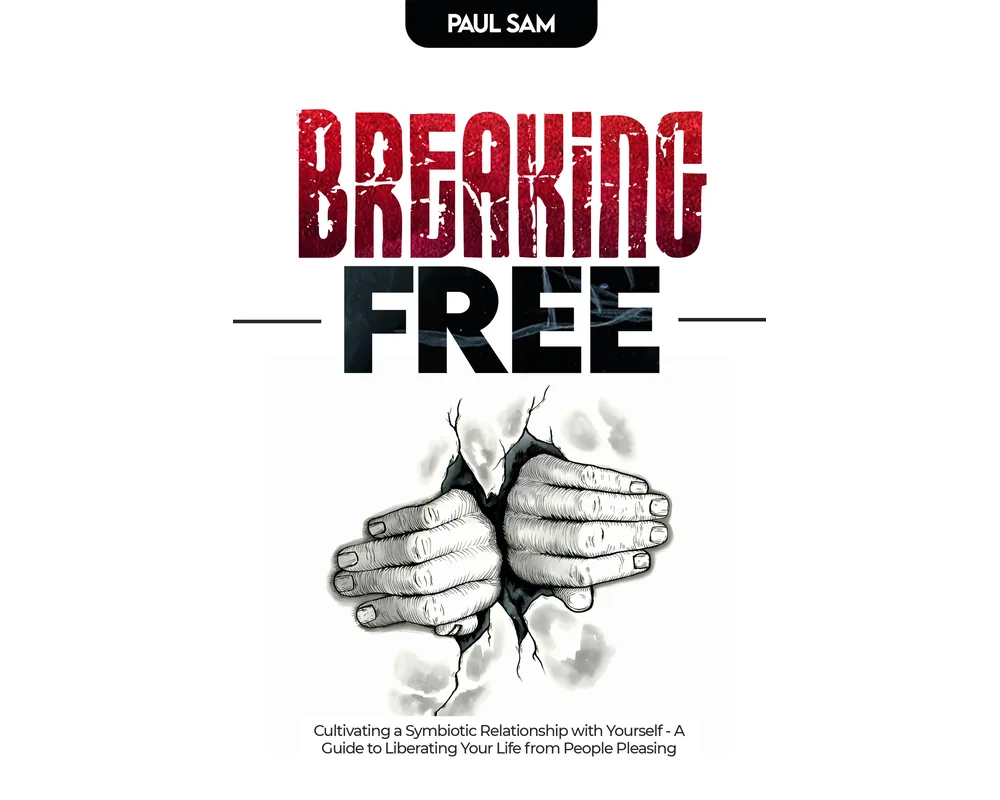 Breaking Free: A Guide to Liberating Your Life from People Pleasing
Discover how to end the exhausting cycle of people-pleasing and reclaim your life with clarity, courage and self-love.…
View book →
Breaking Free: A Guide to Liberating Your Life from People Pleasing
Discover how to end the exhausting cycle of people-pleasing and reclaim your life with clarity, courage and self-love.…
View book →
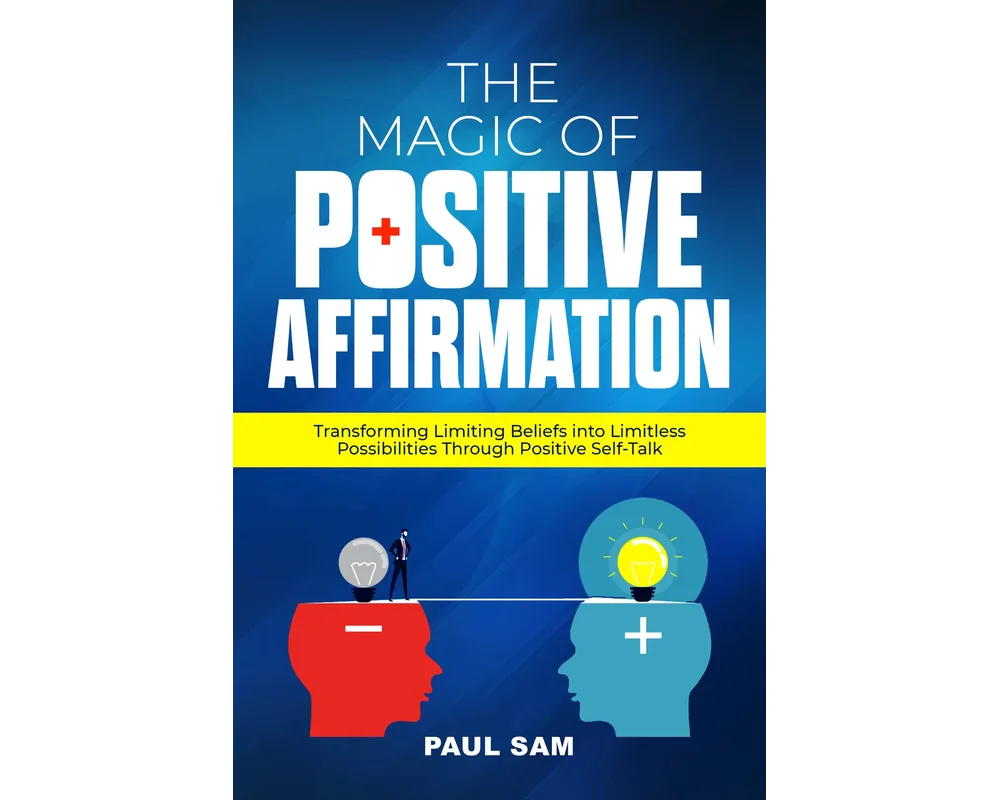 The Magic of Positive Affirmation
Unlock the transformative power of your own words. The Magic of Positive Affirmation by Paul Sam invites you…
View book →
The Magic of Positive Affirmation
Unlock the transformative power of your own words. The Magic of Positive Affirmation by Paul Sam invites you…
View book →
Latest guides for Self-Help, Habits & Life Mastery
Explore all guides → How to Write Affirmations That Feel Specific, Believable, and UsefulLearn how to write affirmations that are specific, credible, personally relevant, and connected to behavior. Includes practical formulas, rewrites, examples, and a simple test…Read guide →
 How to Stop People-Pleasing Without Feeling GuiltyStopping people-pleasing often creates guilt before it creates relief. Learn how to distinguish healthy guilt from conditioned boundary guilt, say no without overexplaining, tolerate…Read guide →
 Marcus Aurelius’ Stoic Principles: A Practical Guide to Living the PhilosophyMarcus Aurelius’s Stoicism is not a collection of toughness quotes. It is an integrated practice of virtue, judgment, control, social duty, impermanence, discipline, and…Read guide →
Self-help, habits, and life mastery are at the core of personal growth and long-term success. The way you think, the habits you build, and the actions you take every day determine the direction of your life. While many people look for quick results, true transformation comes from consistency, discipline, and a clear understanding of how habits and mindset shape outcomes over time.
This topic is designed to help you take control of your life by developing powerful habits, strengthening your mindset, and building systems that support lasting change. Whether you're trying to improve your productivity, overcome procrastination, or create better routines, understanding how personal growth works is the first step toward real progress.
The Power of Habits in Everyday Life
Habits are the invisible system running your life.
From the moment you wake up to the decisions you make throughout the day, much of your behavior is driven by patterns you’ve repeated over time. These patterns can either move you forward or keep you stuck.
Good habits:
- improve focus
- increase productivity
- reduce decision fatigue
- create momentum
Bad habits:
- waste time and energy
- reinforce procrastination
- limit growth
- create frustration and inconsistency
The key to life mastery is not relying on motivation—it’s building habits that make progress automatic.
Understanding How Habits Are Formed
Every habit follows a simple loop:
- Cue – a trigger that starts the behavior
- Action – the behavior itself
- Reward – the benefit that reinforces it
For example:
- Cue: waking up
- Action: checking your phone
- Reward: instant stimulation
To build better habits, you must:
- identify your cues
- replace ineffective actions
- create meaningful rewards
Small changes repeated daily lead to significant long-term results.
Discipline vs Motivation
One of the biggest misconceptions in self-help is the idea that motivation drives success.
Motivation is temporary. Discipline is reliable.
Motivation:
- comes and goes
- depends on mood
- is unpredictable
Discipline:
- is built through repetition
- creates consistency
- leads to results regardless of feelings
If you rely only on motivation, progress will always be inconsistent. But when you develop discipline through habits and routines, you create stability and long-term growth.
Overcoming Procrastination
Procrastination is one of the most common obstacles to personal growth.
It often happens because:
- tasks feel overwhelming
- goals are unclear
- distractions are easily available
- there is no structured system
To overcome procrastination:
1. Break tasks into smaller steps
Large goals feel intimidating. Small actions feel manageable.
2. Reduce friction
Make it easier to start. Remove distractions and simplify your environment.
3. Focus on starting, not finishing
Momentum builds after action begins.
4. Build a routine
Consistency removes the need for constant decision-making.
Procrastination is not laziness—it’s a lack of structure.
Building Effective Daily Routines
Routines are the foundation of productivity and success.
Instead of deciding what to do every day, you follow a system that supports your goals.
A strong routine includes:
- clear priorities
- structured time blocks
- consistent habits
- space for rest and recovery
Morning routines help you start your day with intention.
Evening routines help you reflect and reset.
When your routine is aligned with your goals, progress becomes predictable.
The Role of Mindset in Personal Growth
Your mindset shapes how you approach challenges, setbacks, and opportunities.
A fixed mindset:
- avoids difficulty
- fears failure
- seeks comfort
A growth mindset:
- embraces learning
- adapts to change
- sees failure as feedback
Developing a strong mindset allows you to:
- stay consistent during difficult periods
- overcome self-doubt
- take action despite uncertainty
Your mindset determines how far your habits can take you.
Creating Long-Term Change
Real change does not happen overnight.
It is built through:
- consistency
- patience
- self-awareness
- repetition
Many people fail because they:
- expect quick results
- change too many things at once
- give up when progress feels slow
Instead, focus on:
- one habit at a time
- small daily improvements
- long-term thinking
The goal is not perfection—it’s progress.
Managing Time and Energy
Productivity is not just about time—it’s about energy.
You can have time but no focus, or energy but no direction.
To improve productivity:
- identify your most productive hours
- focus on high-impact tasks
- eliminate unnecessary distractions
- take breaks to maintain energy
Time management is about prioritization.
Energy management is about sustainability.
Both are essential for life mastery.
Self-Discipline and Consistency
Self-discipline is the ability to do what needs to be done, even when you don’t feel like doing it.
It is built through:
- repetition
- structure
- accountability
- clarity of purpose
Consistency is what turns effort into results.
Without consistency:
- habits don’t stick
- progress resets
- goals remain incomplete
With consistency:
- small actions compound
- confidence increases
- success becomes inevitable
The Connection Between Habits and Identity
One of the most powerful shifts in self-help is moving from:
“What do I want to achieve?”
to
“Who do I want to become?”
Instead of focusing only on goals, focus on identity.
Example:
- not “I want to work out”
- but “I am someone who exercises regularly”
When your habits align with your identity, behavior becomes natural instead of forced.
Avoiding Common Self-Help Mistakes
Many people struggle because they:
- try to change everything at once
- rely on motivation instead of systems
- copy strategies without understanding them
- give up too quickly
To avoid this:
- keep things simple
- focus on consistency
- build systems, not just goals
- track progress over time
Simplicity leads to sustainability.
Where to Start
If you’re new to self-help, start with:
- building one simple habit
- creating a basic daily routine
- identifying your biggest distractions
- setting clear, realistic goals
Then expand into:
- productivity systems
- mindset development
- long-term habit building
Progress starts with one step.
Final Thought
Self-help, habits, and life mastery are not about quick fixes—they are about building a system that works for you.
When you understand how habits form, how discipline works, and how mindset shapes your decisions, you gain control over your direction in life.
With the right approach, small daily actions can lead to powerful transformation.
Latest questions for Self-Help, Habits & Life Mastery
Explore all questions →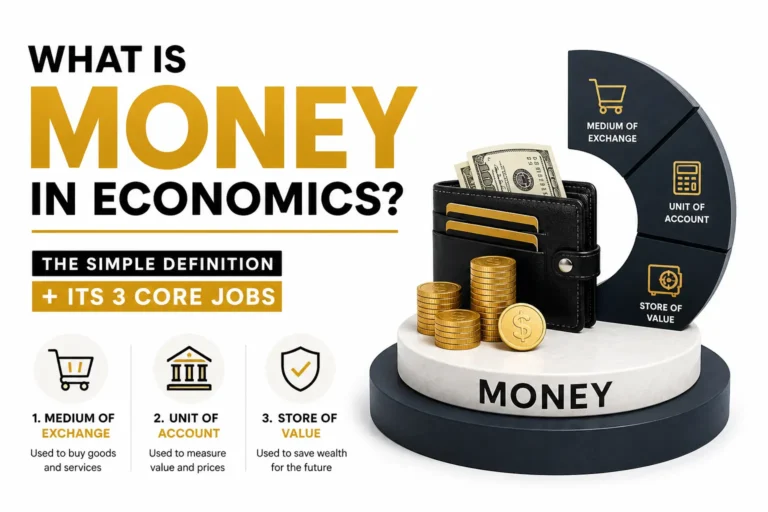 What Is Money in Economics? The Simple Definition + Its 3 Core Jobs
Money in economics is more than cash. It’s a tool that helps people trade, measure value, and hold purchasing power over time through its…
Read answer →
What Is Money in Economics? The Simple Definition + Its 3 Core Jobs
Money in economics is more than cash. It’s a tool that helps people trade, measure value, and hold purchasing power over time through its…
Read answer →
 Why Does Money Matter in Everyday Life? The Real Reasons
Money shapes your daily choices, stress level, and sense of security. Here’s why it matters, what it really does, and how to improve your…
Read answer →
Why Does Money Matter in Everyday Life? The Real Reasons
Money shapes your daily choices, stress level, and sense of security. Here’s why it matters, what it really does, and how to improve your…
Read answer →
 What Is Dating Anxiety – A Clear, Practical Guide
Dating anxiety is more than nerves—it's persistent worry and self-doubt around dating. Learn what it means, what it feels like, and what to do.
Read answer →
What Is Dating Anxiety – A Clear, Practical Guide
Dating anxiety is more than nerves—it's persistent worry and self-doubt around dating. Learn what it means, what it feels like, and what to do.
Read answer →
Latest references for Self-Help, Habits & Life Mastery
Explore all references → Negative Visualization: How Marcus Aurelius Prepared for Difficulty
Negative visualization is not catastrophizing. In Stoic practice, deliberately imagining a bounded, plausible difficulty can prepare character and action—if the exercise stays brief, realistic,…
Open reference →
Negative Visualization: How Marcus Aurelius Prepared for Difficulty
Negative visualization is not catastrophizing. In Stoic practice, deliberately imagining a bounded, plausible difficulty can prepare character and action—if the exercise stays brief, realistic,…
Open reference →
 The View From Above: Marcus Aurelius’ Stoic Practice for Perspective
The Stoic View From Above changes scale without dismissing reality. Marcus Aurelius uses distance, time, cities, generations, and the wider world to loosen distorted…
Open reference →
The View From Above: Marcus Aurelius’ Stoic Practice for Perspective
The Stoic View From Above changes scale without dismissing reality. Marcus Aurelius uses distance, time, cities, generations, and the wider world to loosen distorted…
Open reference →
 People-Pleasing and Childhood Trauma: What the Evidence Can and Cannot Tell Us
Childhood trauma can contribute to people-pleasing when appeasement or self-silencing becomes linked with safety, but it is not the only cause. Learn what research…
Open reference →
People-Pleasing and Childhood Trauma: What the Evidence Can and Cannot Tell Us
Childhood trauma can contribute to people-pleasing when appeasement or self-silencing becomes linked with safety, but it is not the only cause. Learn what research…
Open reference →
Latest comparisons for Self-Help, Habits & Life Mastery
Explore all comparisons →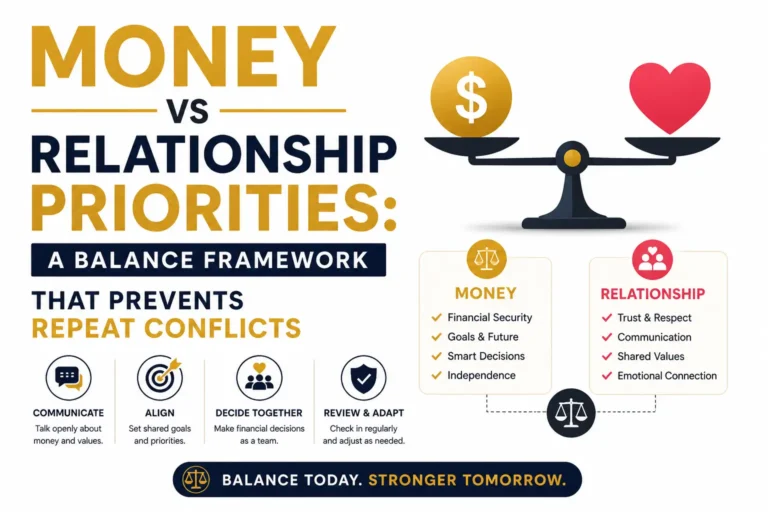
Latest collections for Self-Help, Habits & Life Mastery
Explore all collections →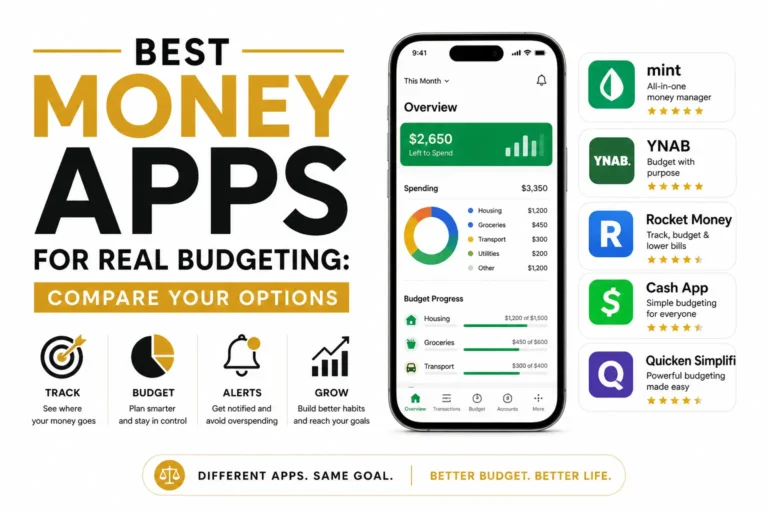
Latest articles for Self-Help, Habits & Life Mastery
Explore all articles → People-Pleasing and Resentment: Why Saying Yes Can Turn Into Anger
People-pleasing can create resentment when repeated yeses hide unspoken limits and expectations. Learn why the cycle develops, how to recognize it early, and how…
Read article →
People-Pleasing and Resentment: Why Saying Yes Can Turn Into Anger
People-pleasing can create resentment when repeated yeses hide unspoken limits and expectations. Learn why the cycle develops, how to recognize it early, and how…
Read article →
 Fawn Response and People-Pleasing: What’s the Connection?
Fawning can look like people-pleasing because both may involve appeasing others, but the terms are not interchangeable. Learn what the fawn response means, when…
Read article →
Fawn Response and People-Pleasing: What’s the Connection?
Fawning can look like people-pleasing because both may involve appeasing others, but the terms are not interchangeable. Learn what the fawn response means, when…
Read article →
 Self Healing Practices: Rebuild Your Inner Safety and Emotional Strength
A deeply human, science-informed guide to self healing practices that help you calm your nervous system, release stored pain, and rebuild inner safety and…
Read article →
Self Healing Practices: Rebuild Your Inner Safety and Emotional Strength
A deeply human, science-informed guide to self healing practices that help you calm your nervous system, release stored pain, and rebuild inner safety and…
Read article →
Latest audiobooks for Self-Help, Habits & Life Mastery
Explore all audiobooks → Psychology of Leadership: Leadership Skills, Influence & Communication | Full Audiobook
Psychology of leadership, leadership skills, influence, communication skills, and workplace psychology explained in one deep full audiobook for anyone who wants to lead better.…
Listen →
Psychology of Leadership: Leadership Skills, Influence & Communication | Full Audiobook
Psychology of leadership, leadership skills, influence, communication skills, and workplace psychology explained in one deep full audiobook for anyone who wants to lead better.…
Listen →
 Carl Jung Psychology & Shadow Work: Understand Your Unconscious Mind | Full Audiobook
Carl Jung psychology and shadow work explained in a deep full audiobook about the unconscious mind, projection, archetypes, self-awareness, persona, and individuation. Learn how…
Listen →
Carl Jung Psychology & Shadow Work: Understand Your Unconscious Mind | Full Audiobook
Carl Jung psychology and shadow work explained in a deep full audiobook about the unconscious mind, projection, archetypes, self-awareness, persona, and individuation. Learn how…
Listen →
 How to Simplify Your Life: Minimalism, Simple Living & Decluttering | Full Audiobook
How to simplify your life with minimalism, simple living and decluttering — learn how to declutter your home, reduce mental clutter, live with less…
Listen →
How to Simplify Your Life: Minimalism, Simple Living & Decluttering | Full Audiobook
How to simplify your life with minimalism, simple living and decluttering — learn how to declutter your home, reduce mental clutter, live with less…
Listen →
Frequently asked questions about Self-Help, Habits & Life Mastery
01What are habits and why are they important?
Habits are repeated behaviors that shape your daily actions and long-term results. They are important because they automate decision-making, reduce effort, and create consistency. Good habits lead to improved productivity, discipline, and success, while bad habits can limit progress and reinforce negative patterns over time.
02How long does it take to build a habit?
The time it takes to build a habit varies depending on the behavior and individual, but research suggests it typically takes between 21 and 66 days for a habit to become automatic. Consistency is more important than speed—repeating the behavior regularly is what strengthens the habit over time.
03How can I stay consistent with my goals?
To stay consistent, break your goals into smaller daily actions, create a structured routine, and track your progress. Removing distractions and focusing on systems rather than outcomes also helps maintain consistency. The key is to build habits that support your goals instead of relying on motivation alone.
04Why do I struggle with discipline?
Struggling with discipline is often due to unclear goals, lack of structure, and reliance on motivation. Without a consistent routine and defined priorities, it becomes difficult to take action regularly. Building discipline requires creating systems that make it easier to act consistently, even when motivation is low.
05How do I stop procrastinating and take action?
To stop procrastinating, start by breaking tasks into smaller, manageable steps and focusing on just getting started. Remove distractions, create a dedicated work environment, and use time blocks to stay focused. Building momentum through small actions helps reduce resistance and increases productivity over time.
06What is the best way to improve productivity?
The best way to improve productivity is to prioritize high-impact tasks, eliminate distractions, and build structured routines. Managing your energy, not just your time, is also essential. By focusing on consistency and creating systems that support your workflow, you can maintain productivity without burnout.