
Fawn Response and People-Pleasing: What’s the Connection?
Fawning can look like people-pleasing because both may involve appeasing others, but the terms are not interchangeable. Learn what the fawn response means, when people-pleasing may reflect threat-based appeasement, and how to interrupt an automatic yes.

Keep Learning—Listen Free
Short, practical audiobooks for your next step.

The Art of War Explained: Sun Tzu’s Strategy for Winning Without Fighting | Full Audiobook
The Art of War, Sun Tzu, Art of War explained, strategy, winning…

Arthur Schopenhauer: Why You’re Never Satisfied — The Psychology of Desire | Full Audiobook
Arthur Schopenhauer, Schopenhauer philosophy, the psychology of desire, hedonic adaptation, the hedonic…

Friedrich Nietzsche: What “God Is Dead” Really Means — And How to Create Meaning | Full Audiobook
Friedrich Nietzsche, “God is dead,” Nietzsche philosophy, nihilism, existentialism, the meaning of…

High Agency: How to Become the Person Who Always Finds a Way | Full Audiobook
High agency is the psychology of becoming resourceful, taking initiative, and creating…

How to Find Your Purpose When You Feel Lost: Build a Life That Actually Means Something
Learn how to find your purpose when you feel lost, discover what…

How to Be Happy Alone Without Feeling Lonely: The Psychology of Emotional Independence
Learn how to be happy alone without feeling lonely and build emotional…

How to Stay Unbothered When People Disrespect You: The Psychology of Unshakable Self-Respect
How to deal with disrespect without losing your peace, confidence, or self-respect…

How to Learn Anything: Self-Education in the Age of AI | Full Audiobook
How to learn anything, become self-educated, and think for yourself in the…

Perimenopause Symptoms: Hormones, Weight Gain, Sleep & Brain Fog | Full Audiobook
Perimenopause symptoms, hormones, weight gain, sleep problems, and brain fog are explained…
The fawn response and people-pleasing can look similar because both may involve appeasing other people, but they are not interchangeable concepts. “Fawn” is commonly used to describe an appeasement response to stress, threat, or a power imbalance. People-pleasing is broader: someone may habitually seek approval, avoid conflict, overhelp, or suppress preferences even when no trauma-related threat response is involved.
That distinction is important. Calling every agreeable behavior “fawning” can pathologize kindness and can lead people to assume a trauma history that has not been established. At the same time, dismissing fawning as “just being a people-pleaser” can miss the protective function appeasement may have served in genuinely unsafe situations.
What the fawn response means
The term “fawn response” is used in trauma-informed discussions to describe attempts to preserve safety or connection through appeasement. It is often placed alongside fight, flight, and freeze, although the scientific literature is more developed around defensive responses and appeasement broadly than around “fawn” as a standardized diagnostic construct.
Peer-reviewed work on appeasement describes strategies that may reduce immediate danger or conflict in threatening or coercive circumstances. More recent literature also uses fawn-related language for strategic assimilation or appeasement under stress. The concept can therefore be useful descriptively, but it should not be presented as a formal diagnosis or a universal fourth trauma response with one fixed biological pathway.
Where fawning and people-pleasing overlap
Automatic agreement
A person may say yes before checking what they actually want because disagreement feels risky. The answer may arrive almost automatically, followed later by exhaustion or resentment.
Monitoring other people's moods
Appeasement often involves close attention to another person's emotional state. Small changes in tone, facial expression, or body language may trigger an urge to fix the situation quickly.
Suppressing needs
When safety seems to depend on another person's comfort, personal needs can feel secondary. The person may minimize pain, hunger, fatigue, anger, or disagreement to keep the interaction calm.
Overhelping and emotional caretaking
Being especially useful, agreeable, flattering, or accommodating can become a way to reduce the chance of criticism, rejection, anger, or exclusion.
When people-pleasing is not a fawn response
People can become chronic pleasers for many reasons that do not require a trauma explanation.
- Approval seeking: praise and acceptance may have become important measures of worth.
- Perfectionism: the person may believe a good employee, partner, parent, or friend never disappoints anyone.
- Social learning: agreeable behavior may have been consistently rewarded.
- Anxiety: avoiding conflict can reduce short-term worry.
- Workplace incentives: overavailability may be rewarded until it becomes unsustainable.
- Cultural and family norms: deference or caretaking can have meanings that should not automatically be pathologized.
How to tell whether your yes feels like appeasement
No checklist can diagnose a fawn response, but a few questions can reveal whether fear is dominating the decision:
- Does the request create a sudden sense of urgency even when no immediate answer is required?
- Do you scan the other person's face or tone before deciding what you think?
- Do you fear anger, punishment, withdrawal, or abandonment if you disagree?
- Do you feel numb or disconnected from your own preference until after the interaction?
- Do you apologize repeatedly for normal limits?
- Do you feel relief immediately after agreeing, followed by resentment or depletion later?
The pattern matters more than any single yes. Healthy generosity can also involve inconvenience or sacrifice. The difference is whether the action remains voluntary and whether you can realistically choose no.
Why appeasement can persist after danger has passed
Strategies that once reduced conflict can become habitual. The nervous system does not need a conscious story such as “I am in danger” for the body to respond quickly. A raised voice, disappointed expression, authority figure, or tense silence may trigger an old sequence before the person has time to evaluate the present situation.
That does not mean the response is permanent. It means change usually requires practice at both the cognitive and behavioral level: noticing the trigger, slowing the response, testing safer alternatives, and learning from what actually happens.
How to interrupt the automatic yes
Use a pause phrase
“Let me think about that.” “I need to check my schedule.” “I will get back to you.” A pause gives your preferences time to appear.
Check your body and your capacity
Notice tightness, urgency, freezing, or a sinking feeling. Then ask practical questions: Do I have time? Do I want to do this? What will I need to give up?
Choose one low-risk disagreement
Practice with small preferences rather than waiting for a major conflict. Choose the movie, correct an order, decline a minor favor, or ask for a different time.
Reduce unnecessary explanations
Overexplaining often becomes an attempt to make the other person approve of the boundary. A concise explanation can be respectful without turning your limit into a debate.
Review what actually happened
After the interaction, compare your feared outcome with reality. Did the relationship end, or did someone simply experience temporary disappointment? Repeated reality checks help build new expectations.
When the situation is genuinely unsafe
Not every fear is irrational. If someone uses threats, intimidation, violence, stalking, financial control, or punishment to force compliance, the problem is not a lack of assertiveness. In unsafe relationships, appeasement may still be protective in the moment. Safety planning and specialized support take priority over generic advice to “just say no.”
The key connection
Fawning can be understood as a form of appeasement linked to stress or threat; people-pleasing is the wider behavioral category. They overlap when someone tries to secure safety, belonging, or connection by becoming highly agreeable. They differ because people-pleasing can also arise from approval needs, perfectionism, anxiety, habit, social roles, or other influences.
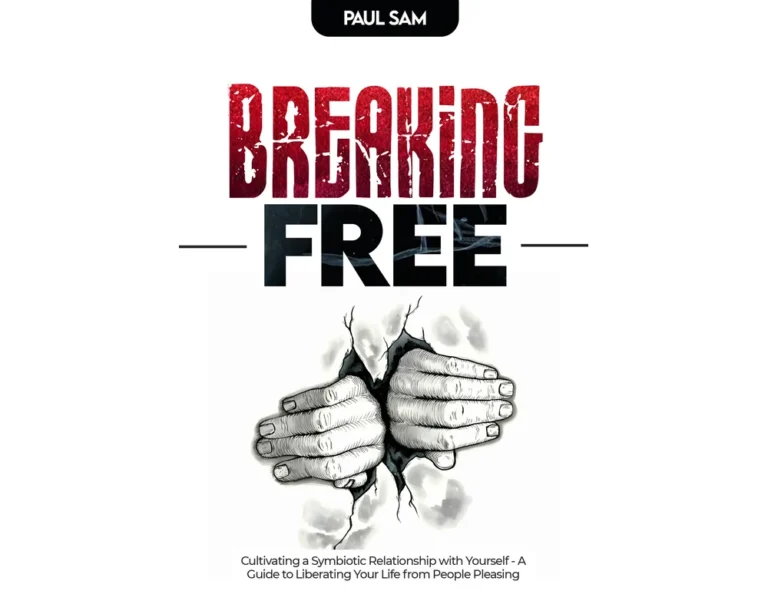
For the broader work of reducing automatic accommodation and rebuilding boundaries, Breaking Free: A Guide to Liberating Your Life from People Pleasing provides structured self-help support. Trauma symptoms or unsafe relationships may require professional or specialized help in addition to self-guided work.
Sources and evidence
Want the complete system?
Explore the full book for a deeper, structured guide.
Breaking Free: A Guide to Liberating Your Life from People Pleasing
Discover how to end the exhausting cycle of people-pleasing and reclaim your life with clarity, courage and self-love. In Breaking Free: Cultivating a Symbiotic…
View the Book