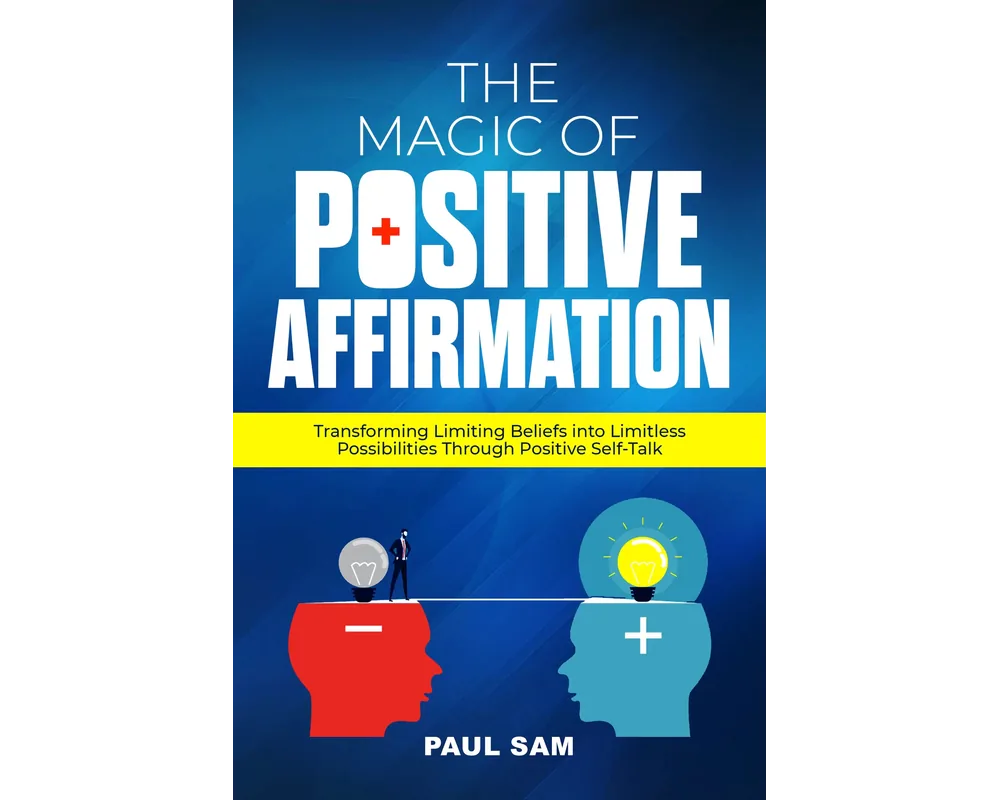
positive affirmation
Written by Paul Sam
Store Rank #73

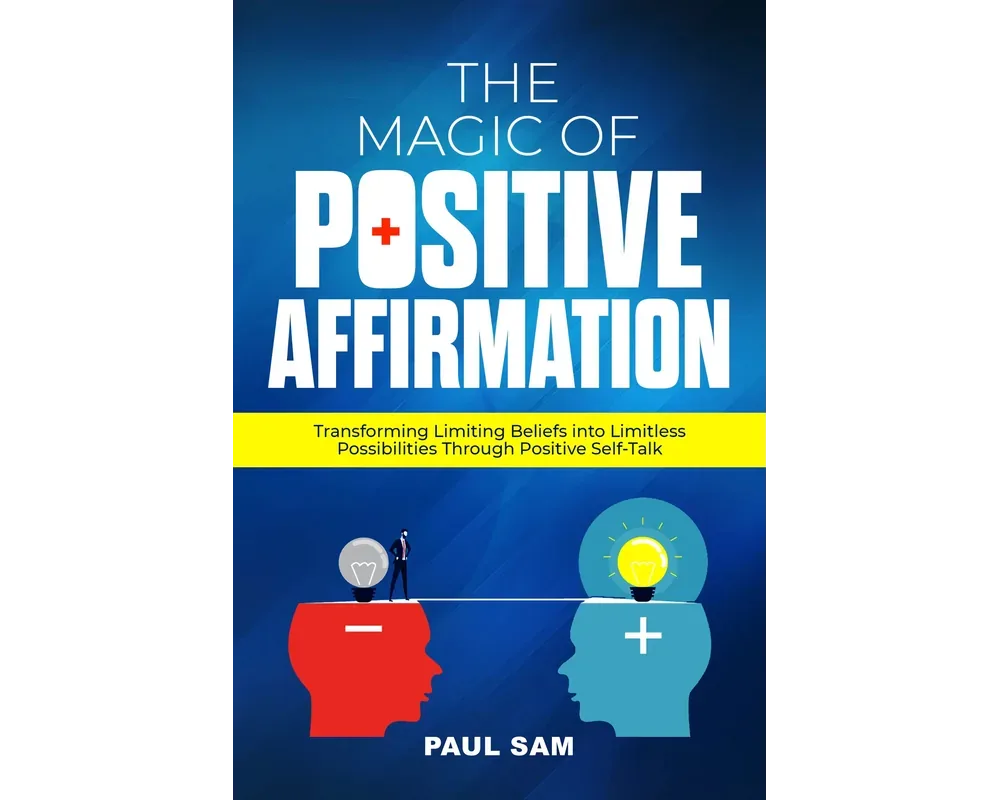
The Magic of Positive Affirmation

Explore constructive self-talk, limiting beliefs and daily affirmation practices in a thoughtful personal-growth guide. Learn to choose believable statements, respond to self-crit…

AuthorPaul Sam

Book Blurb

The sentence you repeat to yourself after a mistake can shape what you do next. If that sentence is always a judgment about your worth, even a small setback may begin to feel like a reason not to try again. The Magic of Positive Affirmation explores how to recognize these patterns and develop a more constructive way of speaking to yourself.

Rather than presenting positive thinking as a way to control everything that happens, this personal-growth book connects affirmations with self-awareness, meaningful choices and everyday practice. Readers are invited to examine limiting beliefs and find words that support the actions they want to take.

Understand the thoughts you have learned to repeat

Many of our most familiar self-judgments feel convincing simply because we have heard them so often. The book encourages readers to notice the language that appears when they face criticism, uncertainty or disappointment. You might recognize a tendency to turn one unsuccessful attempt into a prediction about every future attempt, or to compare your private struggles with someone else’s visible achievements.

Recognizing these habits creates an opportunity to respond differently. Mayobook’s reference on what affirmations are explains how constructive self-talk and values-based affirmation differ, offering useful context for the book’s approach.

Choose statements that are credible and useful

A useful affirmation does not need to sound extraordinary. When a sweeping declaration feels untrue, a statement that acknowledges difficulty while identifying a possible next step may be more meaningful. For example, reminding yourself that you can prepare for a conversation is different from insisting that every conversation will go perfectly.

The book uses reflection and practical exercises to help readers examine the assumptions behind their inner dialogue, choose language more deliberately and connect that language to everyday behavior. Our companion guide to writing believable affirmations provides additional examples of how to approach this process.

Make room for difficult feelings

Positive self-talk should not become another demand to feel a certain way. If a phrase creates frustration or intensifies self-criticism, you can reconsider the wording and the expectations behind it. The companion resource on why affirmations sometimes do not work explores this challenge in greater detail.

The book’s wider purpose is to help readers practice a more supportive relationship with themselves, especially when progress is uneven. Affirmations can be one part of that process, alongside reflection, practical action and appropriate support.

Build a practice that belongs in your day

There is no requirement to devote an entire morning to repeating statements. A brief reflection before a demanding task or an evening journal entry may offer a manageable starting point. Mayobook’s daily affirmation routine complements the book with suggestions for maintaining a flexible practice.

This guide is intended for readers who want to examine self-doubt, approach personal goals more intentionally and explore ways to respond to setbacks with less harshness. It is educational, not a treatment for anxiety, depression or trauma, and does not promise that affirmations alone will change health, finances or relationships.

If you want to move beyond collecting inspirational phrases and understand how the words you choose relate to your beliefs and actions, The Magic of Positive Affirmation offers a thoughtful place to begin.

Explore the benefits, ideal readers and key subjects.

Benefits

  • Identify familiar patterns in your inner dialogue.
  • Examine the assumptions behind recurring self-criticism.
  • Choose statements that support specific goals or actions.
View more
  • Adjust affirmations when they feel unconvincing.
  • Develop a flexible reflection practice that fits everyday life.
  • Approach setbacks with greater patience and perspective.

Who This Book Is For

  • For adults exploring personal growth, confidence and constructive self-talk, particularly readers who find harsh inner judgments or fear of failure difficult to move beyond. It also suits readers who want a more grounded alternative to exaggerated positivity.

What’s Inside

  • Recognizing recurring self-judgments and limiting beliefs
  • Distinguishing feelings from fixed judgments about identity
  • Creating believable, purposeful affirmations
View more
  • Connecting affirmations to values and everyday decisions
  • Adapting your practice when words feel unrealistic
  • Building a manageable routine through reflection and writing
PUBLICATION & EDITION

Product details

Format
eBook

Find words that support the choices you want to make

Positive self-talk is most useful when it respects what you are experiencing. This book connects the language of affirmations with the beliefs beneath it, inviting you to choose statements that feel credible and encourage action rather than demand constant optimism.

Customer reviews

J
June Andersen

Finally Something That Actually Clicked

The journal prompts nudged me into being braver in small, practical ways. It left me feeling hopeful and capable rather than guilty about where I’m starting.

The stories felt human and vulnerable instead of preachy, which made me more willing to be honest with myself. I’ve gone back to a few favourite passages on the tough days and they land differently each time. It never talked down to me, which I really value in a book like this. Even after I finished, a couple of ideas from the book stayed in the back of my mind during the week. I kept catching myself nodding along because so many examples felt like they were pulled from my own life.

M
Milay 2

A Guide I’ll Keep Coming Back To

I appreciated that the author didn’t pretend mindset is a switch you flip once; they treat it like a daily practice. The journal prompts nudged me into being braver in small, practical ways.

The practical steps are small enough that I didn’t feel overwhelmed trying to apply them. I could feel small shifts in how I was thinking and behaving almost immediately.

G
Gabe Andersen

Grounded, Relatable, and Very Useful

The stories felt human and vulnerable instead of preachy, which made me more willing to be honest with myself. The journal prompts nudged me into being braver in small, practical ways.

What stood out to me was how honest the author was about the messy middle of change, not just the happy ending. Even after I finished, a couple of ideas from the book stayed in the back of my mind during the week.

S
Sophie 3

Practical, Honest, and Very Encouraging

It left me feeling hopeful and capable rather than guilty about where I’m starting. I dog-eared more sections than I expected, and I’ve already gone back to re-read a few favourite bits.

I appreciated that the author didn’t pretend mindset is a switch you flip once; they treat it like a daily practice. What stood out to me was how honest the author was about the messy middle of change, not just the happy ending. I’ve gone back to a few favourite passages on the tough days and they land differently each time. It never talked down to me, which I really value in a book like this. Even after I finished, a couple of ideas from the book stayed in the back of my mind during the week.

R
Rhea 6

Exactly What I Needed Right Now

The journal prompts nudged me into being braver in small, practical ways. The practical steps are small enough that I didn’t feel overwhelmed trying to apply them.

I dog-eared more sections than I expected, and I’ve already gone back to re-read a few favourite bits. I could feel small shifts in how I was thinking and behaving almost immediately.

HELPFUL ANSWERS

Frequently Asked Questions

Questions about the book, its subjects and available editions.

What is The Magic of Positive Affirmation about?

It explores limiting beliefs, constructive self-talk and affirmation practices through reflection and everyday examples. Its emphasis is on connecting words with personal values and meaningful action.

Is this book just a list of affirmations?

No. The book considers the beliefs behind self-talk and encourages readers to reflect on their patterns, choose suitable statements and develop a manageable practice.

What if an affirmation feels false?

The book encourages readers to reconsider unrealistic language and select more grounded statements rather than forcing themselves to repeat claims they cannot believe.

Can beginners use this affirmation book?

Yes. Its explanations and everyday examples offer an accessible starting point for readers new to reflective self-talk practices.

Do I need a long daily affirmation routine?

No. A flexible, brief practice can be a useful starting point. The book encourages consistency without making personal growth another burdensome obligation.

Can affirmations guarantee confidence or success?

No. Affirmations can support reflection and intentional action, but they cannot guarantee a particular emotional state, outcome or change in circumstances.

Does the book replace mental health treatment?

No. It is an educational personal-growth resource. Readers experiencing persistent distress or mental health concerns should seek appropriate professional support.

Continue exploring

Guides, Answers & Resources

Helpful Mayobook guides, answers, comparisons and references connected to this book.