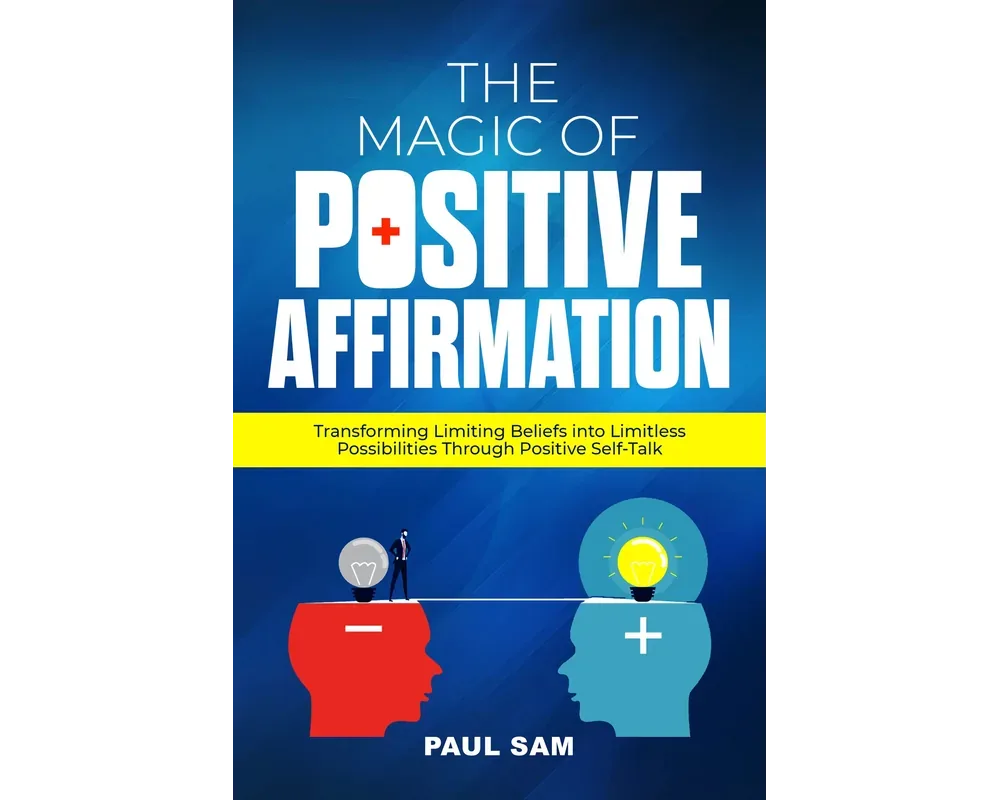
The sentence you repeat to yourself after a mistake can shape what you do next. If that sentence is always a judgment about your worth, even a small setback may begin to feel like a reason not to try again. The Magic of Positive Affirmation explores how to recognize these patterns and develop a more constructive way of speaking to yourself.
Rather than presenting positive thinking as a way to control everything that happens, this personal-growth book connects affirmations with self-awareness, meaningful choices and everyday practice. Readers are invited to examine limiting beliefs and find words that support the actions they want to take.
Understand the thoughts you have learned to repeat
Many of our most familiar self-judgments feel convincing simply because we have heard them so often. The book encourages readers to notice the language that appears when they face criticism, uncertainty or disappointment. You might recognize a tendency to turn one unsuccessful attempt into a prediction about every future attempt, or to compare your private struggles with someone else’s visible achievements.
Recognizing these habits creates an opportunity to respond differently. Mayobook’s reference on what affirmations are explains how constructive self-talk and values-based affirmation differ, offering useful context for the book’s approach.
Choose statements that are credible and useful
A useful affirmation does not need to sound extraordinary. When a sweeping declaration feels untrue, a statement that acknowledges difficulty while identifying a possible next step may be more meaningful. For example, reminding yourself that you can prepare for a conversation is different from insisting that every conversation will go perfectly.
The book uses reflection and practical exercises to help readers examine the assumptions behind their inner dialogue, choose language more deliberately and connect that language to everyday behavior. Our companion guide to writing believable affirmations provides additional examples of how to approach this process.
Make room for difficult feelings
Positive self-talk should not become another demand to feel a certain way. If a phrase creates frustration or intensifies self-criticism, you can reconsider the wording and the expectations behind it. The companion resource on why affirmations sometimes do not work explores this challenge in greater detail.
The book’s wider purpose is to help readers practice a more supportive relationship with themselves, especially when progress is uneven. Affirmations can be one part of that process, alongside reflection, practical action and appropriate support.
Build a practice that belongs in your day
There is no requirement to devote an entire morning to repeating statements. A brief reflection before a demanding task or an evening journal entry may offer a manageable starting point. Mayobook’s daily affirmation routine complements the book with suggestions for maintaining a flexible practice.
This guide is intended for readers who want to examine self-doubt, approach personal goals more intentionally and explore ways to respond to setbacks with less harshness. It is educational, not a treatment for anxiety, depression or trauma, and does not promise that affirmations alone will change health, finances or relationships.
If you want to move beyond collecting inspirational phrases and understand how the words you choose relate to your beliefs and actions, The Magic of Positive Affirmation offers a thoughtful place to begin.