Money isn’t just a topic for spreadsheets or career conversations—it quietly affects how safe you feel, what you choose to do next, and how much stress you carry. If you’ve ever wondered why money seems to matter so much in your decisions, you’re not alone. Understanding why money matters can help you build personal finance habits that support your wellbeing, not fight against it.
Why money matters in one sentence
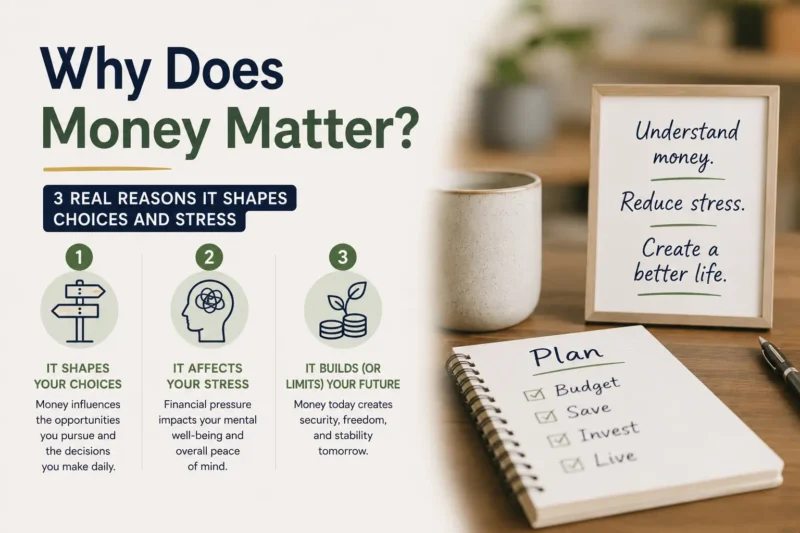
Money matters because it reduces uncertainty and expands your options. When you have a little financial security, you can make choices with less fear and fewer compromises. When you don’t, your brain treats finances like an ongoing threat, which often leads to avoidance, rushed decisions, and stress-driven financial habits.
What money really buys you: security and choice
Money buys stability first, not luxury. Think about the difference between “I’ll figure it out” and “I have a plan.” A small emergency buffer, predictable bill coverage, and a realistic budget can turn a potential crisis into a manageable problem. That’s what financial security looks like in day-to-day life.
It also buys choice. Budgeting isn’t about depriving yourself; it’s about deciding what your money is for. When your plan matches your values—health, family time, learning, travel, or simply less chaos—you’re less likely to feel stuck. Without a plan, every decision becomes urgent, and you end up spending to solve feelings rather than needs.
Where the money mindset shows up
Your money mindset is the lens you use to interpret financial events. If you grew up with scarcity, you might assume money is always unstable. If you’ve had setbacks, you may expect things to go wrong. These beliefs can be protective, but they can also steer you toward habits that keep you stressed.
For example, when you believe you can’t catch up, it’s common to avoid budgeting because seeing the gap feels painful. Or you might overspend right after doing “hard thinking,” because relief feels like reward. None of this means you’re failing—it means your system is responding to stress.
The psychology behind why stress changes behavior
Money stress isn’t only emotional; it changes how you behave. Under uncertainty, people often default to short-term coping. That might look like using credit to delay discomfort, buying convenience items to reduce tension, or skipping the planning step because it feels like too much work.
Over time, you can get a loop: worry leads to avoidance, avoidance delays clarity, and delayed clarity increases worry. Breaking the loop usually isn’t about willpower. It’s about building a simpler process—one that creates clarity quickly and reduces the number of decisions you have to make while anxious.
The signs money is shaping your choices
Money matters becomes obvious in patterns. You might feel anxious when bills arrive, delay checking your balance, or experience decision fatigue around everyday purchases. You may start saving, then stop when something unexpected happens—often because the plan didn’t include a buffer.
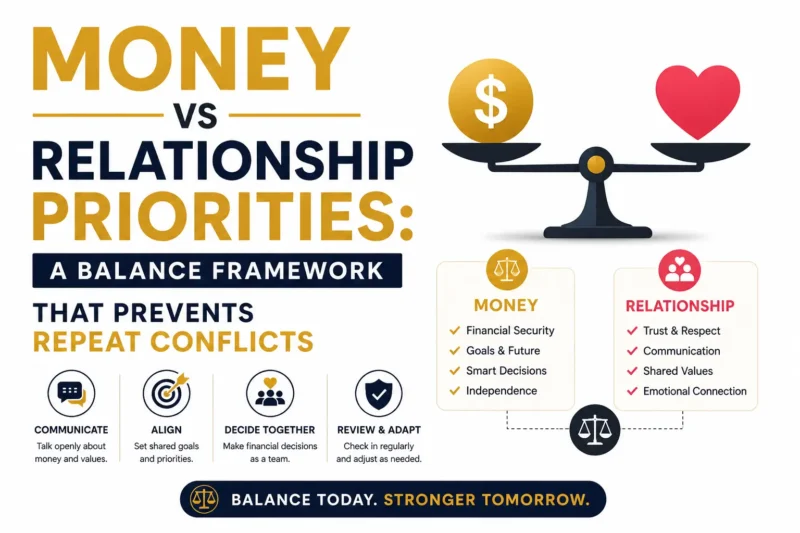
In relationships, money can show up as tension or silence. One person may want to talk budgets; the other may avoid the topic. Disagreements can feel personal, but they’re often about different levels of security and different expectations about responsibility.
And if you notice shame—“I should be better at this”—pause. Shame increases avoidance. Curiosity increases action. The goal is to understand what your money habits are protecting you from, then build a steadier plan that doesn’t require you to push through fear alone.
How money affects your day-to-day life
Financial security changes more than your account balance. It can change your confidence and your ability to focus. When your mind is occupied by “What if we can’t cover this?” it’s harder to concentrate at work, keep healthy routines, or make thoughtful decisions.
Money stress can also strain relationships. It can lead to conflict over spending priorities, resentment about who handles bills, or fear of discussing money openly. Even when you care deeply, stress can make communication sharper and less patient.
There’s also a subtle effect on motivation. If money feels like a constant barrier, opportunities can look risky or out of reach. You may stay in a job you dislike, avoid education or career moves, or hesitate to take on new responsibilities. Money doesn’t control your life, but it can remove the runway you need to pursue what matters.
What to do next if money stress feels constant
Start with the smallest step that creates clarity. Make a simple monthly snapshot: income, essentials, and minimum debt payments. Keep it practical and judgment-free. If the full picture feels too big, begin with just the essentials.
Next, pick one stabilizing habit. Many people do best with a small automatic transfer into saving, even if it’s modest. The point isn’t to “fix everything.” It’s to build saving habits that show your brain progress is possible.
Then, add buffer thinking. Emergencies happen, so your plan should anticipate them. If you can’t build a full emergency fund yet, aim for a starter amount that prevents the most stressful outcomes—like relying on credit for every surprise.
Reduce friction with simple rules. A weekly 10-minute review, a spending cap for non-essentials, or a short waiting period for larger purchases can help you avoid stress-driven spending.
Finally, be kind with your money mindset. Instead of “I’m bad with money,” try “What system would make this easier?” If money stress is affecting your mental health or causing frequent conflict, consider reaching out to a qualified professional for support. A therapist can help with anxiety and shame; a financial counselor can help you design a plan you can actually maintain.
Money matters because it shapes how safe you feel and how freely you can choose. When you treat it as a tool for stability—rather than a measure of your worth—your financial habits can become steadier, and your stress can start to shrink.