
The best book for people-pleasing depends on what you actually need help with. Some readers need a direct framework for approval-seeking. Others need boundary scripts, assertiveness practice, a trauma-informed explanation of fawning, help with codependent overfunctioning, or a reflective approach to self-trust.
This guide is organized by reader problem rather than a fake universal ranking. Mayobook’s own Breaking Free: A Guide to Liberating Your Life from People Pleasing is featured transparently as the cluster’s primary Mayobook resource, while the other books below are included because they approach different parts of the same problem.
Start here for broad people-pleasing recovery
If your main question is “Why do I keep organizing my life around everyone else’s approval?”, begin with a book that addresses the overall pattern rather than only one symptom.
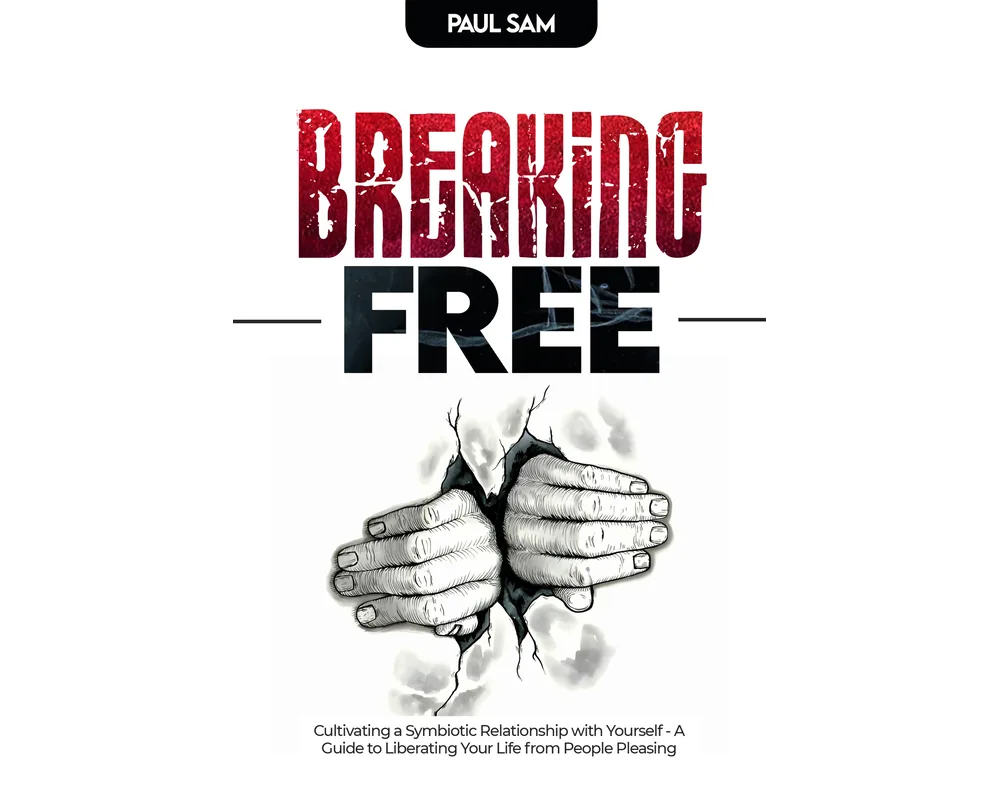
Breaking Free: A Guide to Liberating Your Life from People Pleasing
Choose this if: you want one structured path through approval-seeking, boundary problems, self-respect and rebuilding a clearer sense of self.
As Mayobook’s featured resource for this cluster, Breaking Free is designed to connect directly with the same themes explored across the surrounding recovery, guilt, friendship, work and self-trust resources.
The Disease to Please — Harriet B. Braiker
Choose this if: you want a direct, established framework focused specifically on excessive approval-seeking and the costs of compulsive pleasing.
This is a long-standing title in the people-pleasing category and can suit readers who want the problem named plainly rather than approached indirectly through broader relationship language.
Not Nice — Aziz Gazipura
Choose this if: your biggest obstacle is assertiveness—speaking honestly, tolerating disapproval, saying no and reducing the need to appear agreeable.
The tone is especially relevant for readers who understand the pattern intellectually but still struggle to act differently in real conversations.
Please Yourself — Emma Reed Turrell
Choose this if: you want an accessible, modern exploration of why you organize decisions around other people’s reactions and how to reclaim more personal choice.
Choose these if boundaries are the main problem
If you already know you overaccommodate but keep asking, “What do I actually say?”, a boundary-focused book may be more useful than another general explanation of people-pleasing.
Set Boundaries, Find Peace — Nedra Glover Tawwab
Choose this if: you want practical boundary language across family, friendships, work and intimate relationships.
Its strength is applicability. Readers looking for concrete ways to identify and communicate limits may find it more immediately actionable than a broader psychology-of-people-pleasing book.
Boundaries — Henry Cloud and John Townsend
Choose this if: you want a widely read boundary framework and are comfortable with an explicitly Christian perspective.
Choose this if fawning or trauma-informed language resonates
Some readers experience people-pleasing less as social niceness and more as automatic appeasement: monitoring other people’s moods, becoming compliant under stress, or feeling that disagreement is unsafe.
Fawning: Why the Need to Please Makes Us Lose Ourselves—and How to Find Our Way Back — Ingrid Clayton
Choose this if: the language of fawning, appeasement and self-loss feels more accurate than generic approval-seeking.
A trauma-informed framing can be useful, but it should not be used to conclude that all people-pleasing proves trauma.
Choose these if rescuing and codependency are central
If your people-pleasing includes taking responsibility for another adult’s choices, repeatedly rescuing, absorbing consequences, or feeling valuable mainly when needed, a codependency-oriented book may fit better.
Codependent No More — Melody Beattie
Choose this if: your main concern is chronic rescuing, overresponsibility or a relationship organized around another person’s problems.
The People Pleaser’s Guide to Loving Others without Losing Yourself — Mike Bechtle
Choose this if: you want a relationship-centered resource about caring for other people without disappearing inside the role of helper.
Choose these if you want mindfulness or reflective practice
Some readers already know how to say no in theory but need to become more aware of the moment they abandon their own preferences.
The Need to Please — Micki Fine
Choose this if: you prefer a mindfulness-oriented approach that emphasizes noticing habitual approval-seeking before automatically acting on it.
When It’s Never About You — Ilene S. Cohen
Choose this if: you want a reflective approach to reclaiming personal freedom and reducing the habit of organizing your life around other people’s reactions.
How to choose the right book
- I say yes automatically: choose broad recovery or assertiveness.
- I know my limits but cannot communicate them: choose a boundary-focused book.
- Disagreement feels unsafe: consider a trauma-informed or fawning-focused resource.
- I keep rescuing one specific person: consider a codependency-oriented resource.
- I keep losing track of my own preferences: choose a reflective or mindfulness-oriented approach.
What makes a useful people-pleasing book?
Look for a resource that does more than tell you to “just say no.” Stronger books usually help you understand the mechanism, practice communication, distinguish responsibility from guilt, and build repeatable skills.
For health and psychology topics, be cautious with titles that promise to diagnose hidden trauma, identify a disorder from a short checklist, or guarantee that one technique will solve every relationship.
Can one book be enough?
Sometimes. If your main challenge is narrow—such as saying no at work—a practical boundary book may be sufficient. If the pattern involves anxiety, trauma symptoms, abusive relationships, depression, panic or significant impairment, a book may be better used alongside qualified professional support.
Why this guide does not rank one universal winner
A reader dealing with workplace overcommitment does not necessarily need the same book as someone dealing with fawning or chronic rescue behavior. Ranking them as though they solve the same problem would create false precision.
Where to start if you are unsure
If you want one broad starting point that connects directly with the Mayobook recovery cluster, begin with Breaking Free, then move into a more specialized title if your main issue becomes clearer—boundaries, fawning, codependency, assertiveness or reflective practice.
The bottom line
The best book about people-pleasing is not the most famous title or the one with the strongest promise. It is the one that matches the pattern you are actually trying to change.